TRENDING

Tuesday, 6 October 2026
----------------------
25 Rabi' Al-Thani 1448 AH
An Israeli strike on a crowded Remal apartment killed five civilians and wounded six. The incident reveals the calculus of power and the hidden human price of the Gaza war.
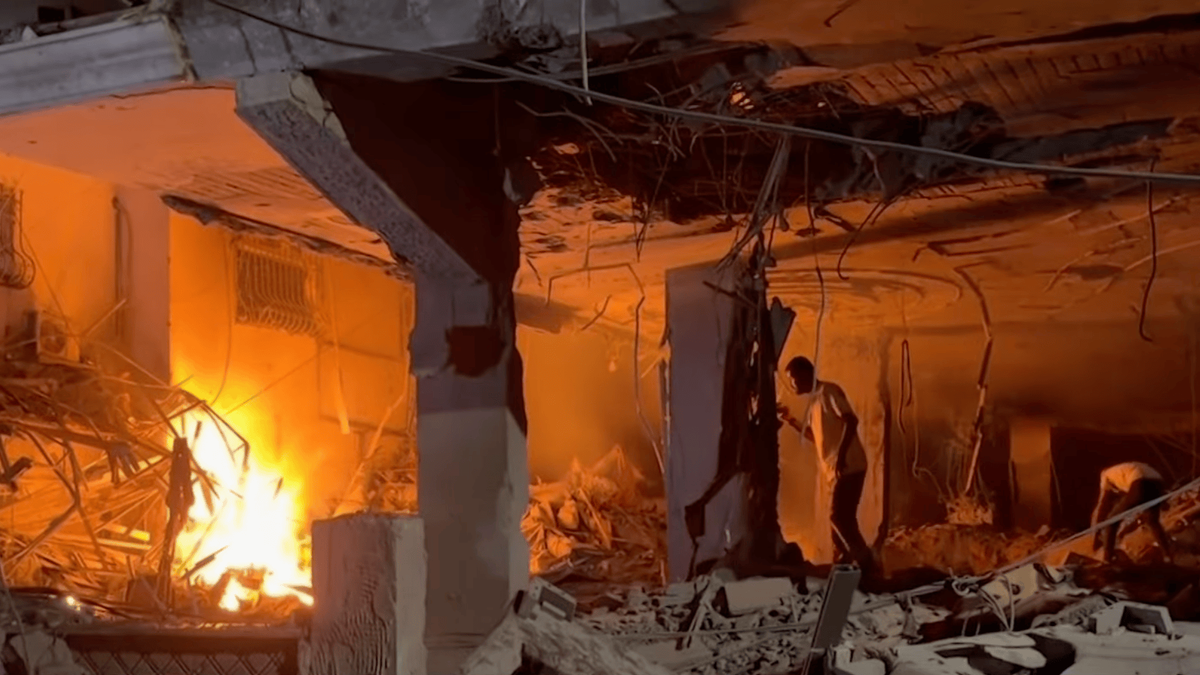
An Israeli airstrike hit the al‑Asala building in Gaza City’s Remal neighbourhood in the early hours of 3 October 2026. Medical staff at Al‑Shifa Hospital confirmed at least five deaths – four women, including an elderly Christian and her daughter – and six serious injuries. The blast ripped through multiple floors, igniting fires that burned for over an hour before Palestinian Civil Defence crews could contain them.
The strike fits a pattern of Israel’s deep‑strike doctrine, which prioritises rapid, high‑precision attacks to degrade perceived threats before they can mobilise. In the absence of a formal cease‑fire, the Israeli Defence Forces (IDF) have increasingly targeted densely populated zones, arguing that militant groups embed themselves among civilians. By striking at night, the IDF seeks to catch targets off‑guard, reducing the risk to its own aircraft while maximizing shock value.
Within Israel, the government faces mounting pressure from coalition partners demanding a hard line against Hamas after months of rocket fire. Prime Ministerial legitimacy is tied to perceived security performance; any perceived softness can trigger political upheaval or early elections. Consequently, the leadership leverages high‑profile attacks to signal resolve to domestic constituencies and to pre‑empt criticism from right‑wing factions.
The United States continues to provide diplomatic cover and military aid, framing the conflict as a fight against terrorism. Washington’s public statements often stress Israel’s right to self‑defence while downplaying civilian casualties, a narrative that helps maintain congressional support for aid packages. Meanwhile, European capitals tread a finer line, condemning civilian deaths but stopping short of demanding a halt to air operations, fearing a rupture in strategic cooperation.
Regional actors such as Egypt and Jordan monitor the escalation closely. Both maintain peace treaties with Israel and host large refugee populations; a surge in civilian deaths could destabilise their domestic politics and strain border security. Their diplomatic leverage lies in mediating cease‑fire talks, but they risk being sidelined if the major powers prioritise military outcomes over humanitarian concerns.
Remal is one of Gaza’s most crowded districts, housing thousands of families who fled earlier bombardments. Many live in makeshift shelters within multi‑storey blocks, where a single strike can affect dozens of households. The five dead represent just a fraction of the unseen toll: families lose breadwinners, children lose caregivers, and entire neighbourhoods are forced to relocate again.
Al‑Shifa Hospital, already operating at capacity, had to triage the six wounded alongside a steady stream of trauma cases. Supplies such as blood bags, antibiotics, and surgical kits are dwindling, and staff work under constant threat of secondary attacks. Each new influx of casualties stretches the system, delaying care for both war‑related injuries and routine health needs.
Survivors recount the sound of fighter jets growing louder before the explosions, a sensory cue that now triggers panic attacks and insomnia. Children who witnessed the collapse of their home are at heightened risk of long‑term mental health disorders. Community support networks, already weakened by displacement, struggle to provide counseling or safe spaces.
Israeli officials have not publicly identified a specific militant target within the al‑Asala building, nor have they provided evidence of prior warnings. This omission allows the narrative to focus on the broader “terrorist infrastructure” without confronting the legal and moral questions surrounding proportionality and distinction under international law.
International news outlets often echo official statements, emphasizing the “necessity” of the strike while relegating civilian casualties to secondary headlines. Social media amplification of government‑approved footage further shapes public perception, marginalising eyewitness accounts that highlight the human devastation.
Donor nations and NGOs report that access to the most affected neighbourhoods is hampered by ongoing air operations and damaged infrastructure. While aid convoys continue to arrive, the distribution mechanisms are overwhelmed, leaving many injured residents without timely medical attention or basic supplies.
- Cease‑fire negotiations: UN‑mediated talks are slated for later this month; any escalation could derail them, while a pause in airstrikes might create space for humanitarian corridors.
- US congressional debates: Upcoming votes on aid packages could signal whether Washington will continue its unconditional backing of Israeli operations.
- Civil Defence capacity: The ability of Palestinian emergency services to respond to further strikes will affect casualty numbers and could influence international pressure.
- Regional diplomatic moves: Statements from Egypt, Jordan, and the Qatar mediation team will indicate whether neighboring states are willing to push for a de‑escalation or will remain passive.
- Information flow: Monitoring how both sides control the narrative—through official briefings, social media, and independent reporting—will reveal shifts in public opinion and potential policy adjustments.
By tracking these variables, readers can gauge whether the cycle of retaliation will intensify or if diplomatic overtures might finally translate into reduced civilian harm.
Israel has not disclosed a specific militant target inside the al‑Asala building, but it argues that Hamas embeds fighters among civilians, making densely populated areas legitimate military objectives.
Al‑Shifa Hospital is operating at full capacity, facing shortages of supplies and staff. Each new wave of injuries strains its ability to treat both war‑related wounds and routine health needs.
The United States provides diplomatic cover and military aid to Israel, framing the conflict as a fight against terrorism while largely avoiding direct criticism of civilian deaths.
Source referenced: ALJAZEERA
This brief was synthesized by our Editorial Engine and reviewed by The Ground Narrative team.