TRENDING

Monday, 5 October 2026
----------------------
24 Rabi' Al-Thani 1448 AH
The October 4 vote pits Luiz Inácio Lula da Silva against Flávio Bolsonaro, a contest that will reshape Brazil’s domestic agenda and its ties to the United States and China. Ordinary citizens stand to gain or lose far more than the headlines suggest.
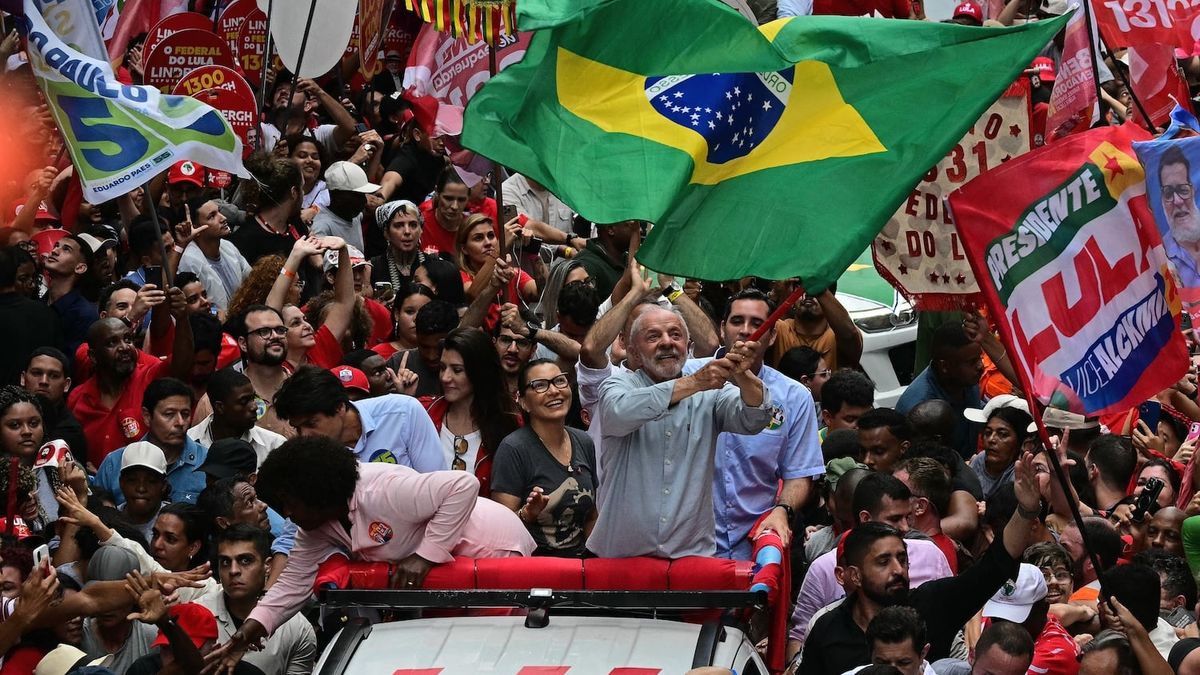
Brazilans headed to the polls on October 4, 2026, in a razor‑thin race between incumbent left‑wing President Luiz Inácio Lula da Silva and right‑wing challenger Senator Flávio Bolsonaro, son of the jailed former president. Lula seeks a fourth non‑consecutive term, while Flávio promises a return to the hard‑line policies of his father, including a tighter alliance with the United States under the revived Trump administration. The election has already drawn intense scrutiny from Washington, Beijing, and European capitals, each hoping to tilt Brazil’s future in their favor.
The contest is a collision of three overlapping power structures. First, domestic fiscal politics: Lula’s social programs have lifted millions out of poverty, but his reliance on expansive public spending has pushed the debt‑to‑GDP ratio above 80 %. Brazil’s financial elite, accustomed to low‑inflation discipline, view this as a threat to market confidence and a potential trigger for capital flight. Second, civil‑military relations: Lula, a former anti‑dictatorship activist, has paradoxically courted the armed forces to revive a state‑centered industrial policy, using military contracts to rebuild a domestic defense sector that can compete with foreign suppliers. Flávio, by contrast, openly celebrates Brazil’s past military dictatorships, promising to expand the military’s political role and to grant the United States greater basing rights in the Amazon region. Third, great‑power competition: China has become Brazil’s top buyer of soy, iron ore, and oil, financing infrastructure projects that bypass traditional Western lenders. The United States, invoking a modern Monroe Doctrine, is pressuring Brazil to limit Chinese influence, offering security guarantees and preferential trade terms if a pro‑U.S. candidate wins. These three strands—fiscal legitimacy, military patronage, and external alignment—are the levers each side pulls to mobilize voters and donors.
Lula’s administration cut youth unemployment to a historic 10 % and lifted real wages by roughly 20 % since 2022. Programs like Bolsa Família and expanded public housing have reduced food insecurity and lifted five million families out of extreme poverty. A return to Bolsonaro could reverse these gains, re‑imposing austerity measures that would hit informal workers—who make up over 40 % of Brazil’s labor force—hardest.
Deforestation rates fell sharply under Lula, thanks to stricter enforcement against illegal ranching. Bolsonaro’s platform promises to relax environmental regulations to accelerate agribusiness expansion, threatening the Amazon’s biodiversity and the land rights of Indigenous groups. The resulting loss of ecosystem services would exacerbate climate‑related hardships for riverine communities that rely on forest resources for subsistence.
Brazil’s push for a “national industrial renaissance” hinges on large defense contracts and state‑owned enterprises. While this could create high‑skill jobs in São Paulo and Rio, it also risks crowding out small‑scale manufacturers that lack the political clout to secure government contracts. A shift toward a more protectionist, militarized economy could raise input costs for local producers, squeezing profit margins for families that run micro‑enterprises.
U.S. officials have publicly praised Flávio’s promise of a “stronger partnership,” but behind the scenes they are financing think‑tanks, sponsoring media campaigns, and threatening sanctions against Brazilian judges who upheld the conviction of Jair Bolsonaro. These actions are framed as support for democracy, yet they aim to secure access to Brazil’s mineral wealth—particularly lithium and rare earths critical for U.S. clean‑energy technologies.
Chinese state banks have quietly refinanced Brazilian infrastructure projects, offering lower interest rates than Western lenders. While this eases Brazil’s fiscal pressure, it also deepens dependence on Chinese capital and technology. Chinese officials downplay this influence, portraying it as “mutual development,” but the terms often include clauses that grant China preferential export routes for soy and iron ore, subtly reshaping Brazil’s trade balance.
Mainstream Brazilian outlets, many owned by conglomerates with ties to the financial sector, focus heavily on crime, security, and cultural flashpoints, while giving scant coverage to the looming debt sustainability issue. By emphasizing populist narratives, they divert public attention from the structural budget deficits that could trigger a sovereign debt crisis if markets lose confidence.
The next six months will reveal whether the election outcome reshapes Brazil’s alignment. Key indicators include: (1) any formal diplomatic overtures from Washington or Beijing to the leading candidate; (2) movements in Brazil’s sovereign bond yields, which will spike if investors sense fiscal imprudence; (3) the response of the Brazilian military establishment—whether it backs Lula’s industrial agenda or openly supports Flávio’s pro‑U.S. security pact; and (4) the activity of Indigenous and environmental NGOs, whose ability to mobilize protests will signal the strength of civil society under the incoming administration. Monitoring these signals will help ordinary Brazilians gauge how the power contest translates into everyday realities.
Lula emphasizes expansive social programs and a state‑led industrial policy funded by higher public spending, while Flávio promises fiscal austerity, tax cuts for businesses, and deeper integration with U.S. trade and security frameworks.
Washington is reportedly providing covert financial support to pro‑U.S. candidates, threatening sanctions against judges, and promising preferential trade deals, all aimed at securing access to Brazil’s mineral resources and limiting Chinese influence.
The Amazon’s deforestation rates fell under Lula due to stricter enforcement, whereas Bolsonaro’s platform seeks to relax those rules to boost agribusiness, putting Indigenous lands and global climate goals at risk.
Editor's Note: Analysis based on publicly available reports and expert commentary; some diplomatic maneuvers remain opaque.
Source referenced: FOREIGNPOLICY
This brief was synthesized by our Editorial Engine and reviewed by The Ground Narrative team.


