TRENDING

Tuesday, 6 October 2026
----------------------
25 Rabi' Al-Thani 1448 AH
Teenagers across France have set fire to schools, demanding better resources and transparent admissions. The unrest reveals deep power gaps between the state, education system, and the youth.
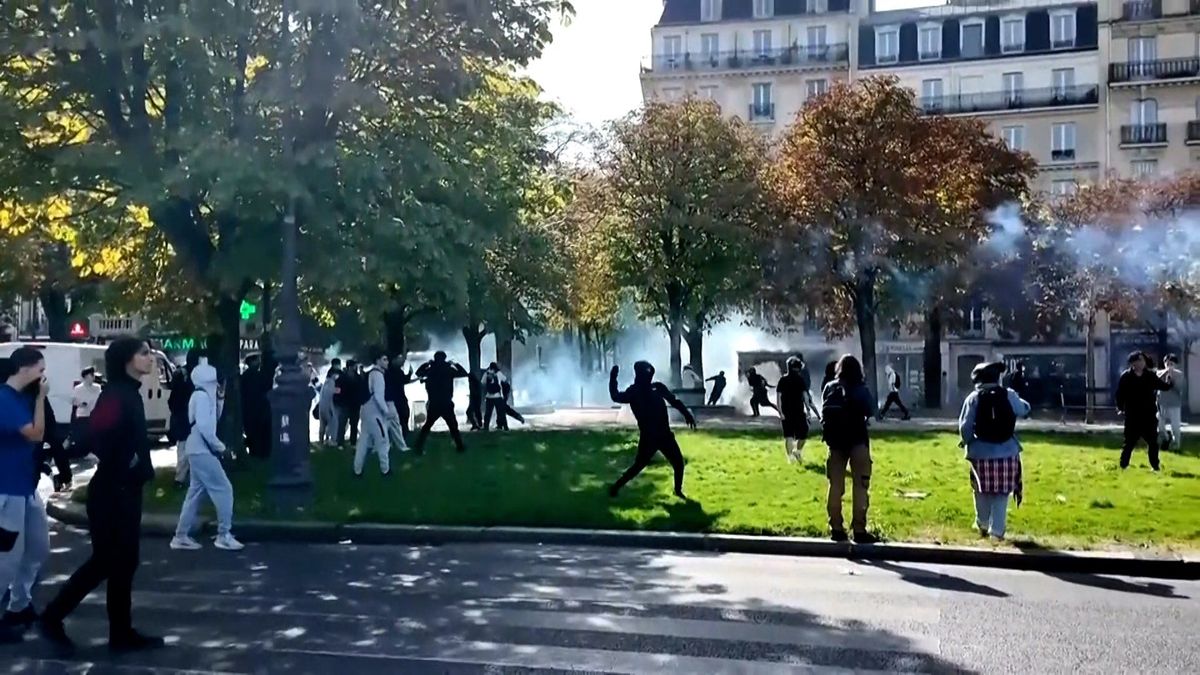
Students in dozens of towns across France ignited classrooms and clashed with police on October 3, 2026. The flashpoint began in a secondary school in Marseille where a protest over dilapidated facilities turned violent, spreading to Paris, Lyon, and Lille within hours. Demonstrators are chanting for more funding, upgraded infrastructure, and a clearer university admissions process, while authorities label the incidents as "law‑breaking vandalism" and deploy riot police.
- State budgeting pressures: The French government has been tightening its fiscal envelope to meet EU deficit targets, cutting discretionary spending on public education. Ministers argue that reallocating funds to defense and climate initiatives is a political survival move ahead of the 2027 legislative elections.
- Local authority autonomy: Municipalities, responsible for school maintenance, receive uneven allocations. Wealthier regions like Île‑de‑France can upgrade labs, while poorer departments struggle with crumbling roofs, creating a geographic disparity that fuels resentment.
- University admissions opacity: The national admissions platform, Parcoursup, has long been criticized for opaque algorithms that favor elite preparatory schools. Recent tweaks intended to broaden access have been rolled out without transparent criteria, prompting accusations of institutional bias.
- Police and political messaging: The Ministry of the Interior frames the unrest as a threat to public order, justifying a heavy police presence. This narrative serves to divert attention from systemic under‑investment and to rally right‑leaning voters who favor law‑and‑order rhetoric.
- Union and teacher dynamics: Teachers’ unions, historically strong in France, are caught between supporting students’ demands and protecting their own job security. Their cautious stance weakens collective bargaining power, allowing the government to push through austerity measures.
Young people face disrupted learning, psychological trauma, and potential criminal records. Many come from low‑income households that cannot afford private tutoring to compensate for lost classroom time, widening the achievement gap.
Teachers and support staff endure physical danger, loss of workplace safety, and the stigma of being associated with violent protests. Some have been forced into unpaid leave, reducing household incomes and straining public sector morale.
Communities lose hours of productive activity as schools close for repairs. Small businesses near affected campuses report a drop in foot traffic, while municipal budgets are forced to divert funds from other services to rebuild damaged facilities.
The unrest erodes public confidence in the education system, prompting parents to consider homeschooling or private alternatives, which further entrenches social stratification. The perception of a state unable to protect its youth fuels political cynicism.
- Government downplaying of fiscal constraints: Official statements emphasize "isolated incidents" and blame fringe agitators, sidestepping the reality that national budget cuts have left schools under‑resourced for years. The narrative omits the link between EU fiscal rules and domestic austerity.
- Corporate influence on admissions: Private tutoring firms and elite preparatory schools benefit from the opacity of Parcoursup, as families scramble to secure spots through paid coaching. This profit motive is rarely mentioned in policy debates.
- Media framing: Mainstream outlets often spotlight the fires and police response, while giving limited airtime to the substantive grievances about infrastructure and admission fairness. The human stories of students in crumbling classrooms receive scant coverage.
- International attention as a pressure lever: Some activist groups hope that the protests will attract EU and UN education watchdog scrutiny, but diplomatic channels are quietly discouraged to avoid exposing France’s compliance gaps with international education standards.
- Budget negotiations: The upcoming autumn budget session will reveal whether the government reallocates funds to education or continues prioritizing defense and climate spending. Watch for any amendment proposals from opposition parties.
- Parcoursup reforms: A parliamentary commission is slated to review the admissions algorithm. Any move toward greater transparency could either pacify students or trigger new protests if perceived as insufficient.
- Police legislation: Draft bills expanding police powers in public spaces are expected to be debated. Their passage could reshape how future demonstrations are policed, affecting civil liberties.
- Union actions: Teachers’ unions may either join the student movement or stage their own strikes. Their alignment will signal the depth of institutional dissent.
- Regional spillover: Similar grievances have surfaced in Belgium and the Netherlands regarding school funding. Cross‑border solidarity actions could broaden the scope of the unrest beyond France.
Stay alert to parliamentary debates, municipal budget releases, and statements from the Ministry of Education in the weeks ahead. The trajectory of these protests will indicate whether France’s youth can force a rebalancing of public investment or will be further marginalized by fiscal austerity.
The fires began after a protest over dilapidated school facilities in Marseille escalated, spreading to other cities as students demanded more funding and transparent university admissions.
The government has deployed riot police, labeled the incidents as vandalism, and emphasized law‑and‑order measures while downplaying underlying budgetary issues.
Potential outcomes include revised education budgets, greater transparency in the Parcoursup admissions system, or new legislation expanding police powers, all of which will shape future protests.
Editor's Note: Analysis based on publicly available reports and historical budget trends; ongoing developments may shift dynamics.
Source referenced: ALJAZEERA
This brief was synthesized by our Editorial Engine and reviewed by The Ground Narrative team.