TRENDING

Monday, 2 November 2026
----------------------
22 Jumada Al-Awwal 1448 AH
The 2026 US midterm elections saw the incumbent party face significant losses, primarily driven by widespread public anger over the ongoing 'Iran war' and its direct economic consequences for American households. This rare instance of foreign policy directly influencing domestic voting behavior highlights a critical disconnect between political elites and the public's immediate concerns.
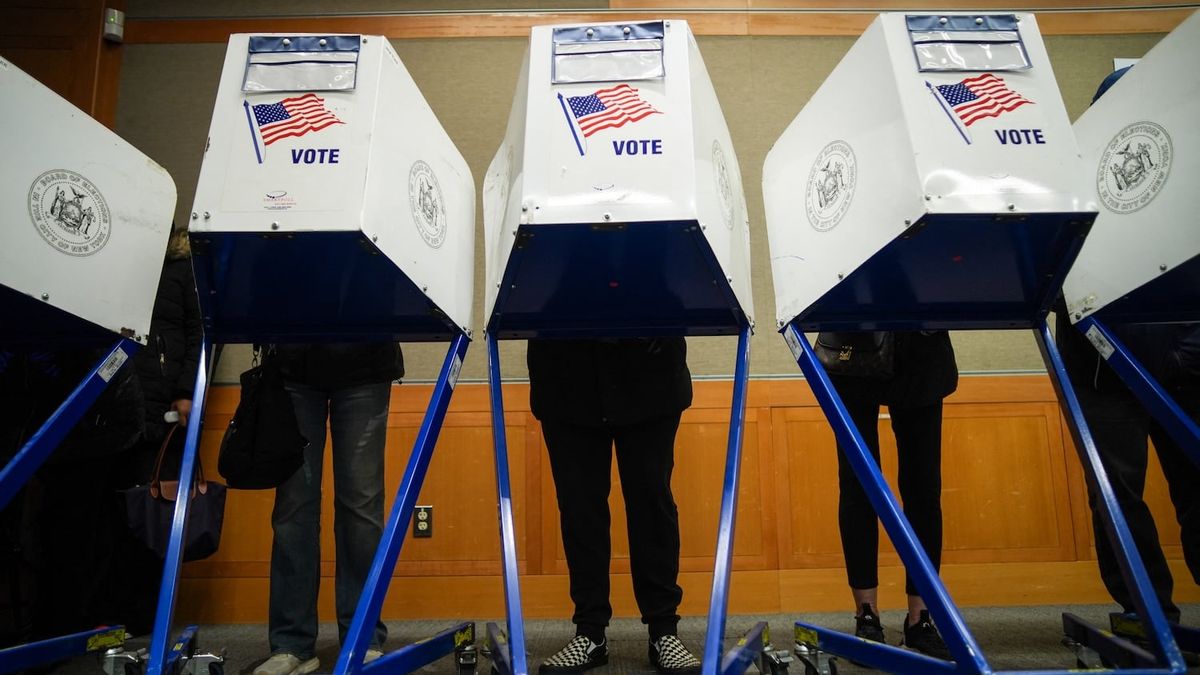
The United States saw its 2026 midterm elections heavily influenced by a factor traditionally considered peripheral to domestic politics: foreign policy. Specifically, the ongoing Iran war became a dominant issue, driving widespread voter discontent and significantly impacting the electoral performance of the incumbent president's party. Despite the historical truism that American voters rarely cast ballots based on international affairs, the war's tangible effects on daily life, particularly through surging gas prices and broader inflation, propelled it to the forefront of public concern, ultimately leading to substantial losses for the party in power.
The 2026 midterms represent a powerful, if unusual, demonstration of voter agency challenging established political norms. For decades, the Washington foreign policy establishment has operated under the assumption that the average American voter does not prioritize international issues. This belief often grants presidents and their administrations considerable latitude in foreign affairs, insulated from direct electoral consequences. However, the Iran war shattered this dynamic by directly translating geopolitical conflict into kitchen-table economics.
The most immediate and impactful power mechanic at play was the direct link between the war and the cost of living. The conflict disrupted global oil markets, leading to a sharp increase in gas prices across the United States. For millions of American households, this wasn't an abstract foreign policy debate but a concrete reduction in their disposable income, affecting everything from daily commutes to grocery budgets. This economic pain, exacerbated by existing inflationary pressures, transformed the war from a distant conflict into a deeply personal burden. President Trump's 2024 campaign promise of
The 'Iran war' became a top issue because it directly impacted American households through rising gas prices and inflation, making it a kitchen-table concern. This broke the traditional pattern of foreign policy rarely influencing US elections.
No, the midterms indicated a nuanced voter sentiment. While there was strong rejection of the costly 'Iran war,' public opinion remains divided on other foreign policy issues, with some of President Trump's specific policies, like détente with China, retaining popularity.
If Democrats take the Senate, there could be impeachment hearings against the Defense Secretary, signaling increased congressional oversight. The results will also heavily influence the 2028 presidential primaries, forcing candidates to address the domestic impact of foreign policy.
Editor's Note: Analysis is based on the provided raw intelligence, extrapolating the 'Iran war's' impact on the US political and economic landscape as described.
Source referenced: FOREIGNPOLICY
This brief was synthesized by our Editorial Engine and reviewed by The Ground Narrative team.