TRENDING

Thursday, 24 September 2026
----------------------
13 Rabi' Al-Thani 1448 AH
Iran has reasserted its right to control shipping in the Strait of Hormuz following an attack on a tanker near Oman, drawing sharp condemnation from the United States and Gulf allies. This development underscores the extreme fragility of a preliminary deal aimed at ending the ongoing 'Iran war' and highlights the strategic importance of the vital waterway for global energy security.
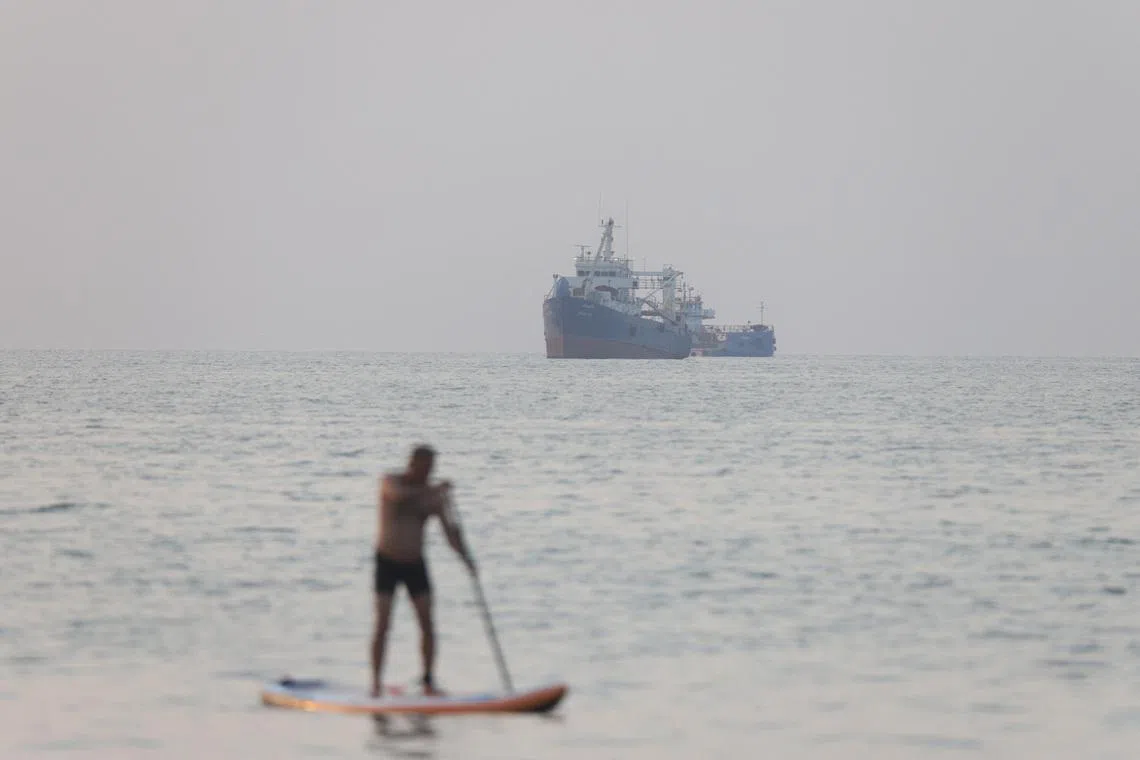
In a significant escalation of regional tensions, Iran has firmly reasserted its prerogative to control maritime traffic through the Strait of Hormuz, a critical global choke point for oil and liquefied natural gas (LNG) shipments. This declaration, made on June 26, 2026, by Deputy Foreign Minister Kazem Gharibabadi, came in direct response to an attack on a Singapore-flagged tanker, the Ever Lovely, near Oman the previous day. The incident, which saw the vessel struck by an "unknown object" – with two US officials later attributing the strike to Iran – immediately amplified concerns about the stability of the region and the viability of a nascent peace agreement.
Tehran's stance was articulated through official statements and actions, including the Islamic Revolutionary Guard Corps (IRGC) reportedly turning back three foreign tankers attempting what it termed "unauthorised passage" through the strait. Iran's Foreign Ministry further warned Gulf states against aligning with the United States, characterizing the US military presence in the Gulf as the primary source of regional insecurity and division. Ali Akbar Velayati, a top adviser to Iran's supreme leader, underscored this by stating that the "strategic survival" of Persian Gulf Arab states was "at the mercy of Tehran’s tolerance" regarding the Strait's management.
The Iranian assertions were met with swift and strong condemnation from the United States and its Gulf Cooperation Council (GCC) allies. US Secretary of State Marco Rubio, concluding a tour to reassure regional partners about the interim pact, issued a joint statement with the GCC calling for "free, unconditional, and unrestricted navigation" in the Strait of Hormuz, explicitly rejecting any attempts to impose tolls or assert unilateral control. Rubio warned that any Iranian threat or blockage of ships would constitute "a problem," echoing earlier warnings from US President Donald Trump that a failure by Iran to honor the interim deal, including reopening the strait, could lead to renewed military action.
In a direct challenge to Iran's claims, the International Maritime Organization (IMO), a United Nations agency, in conjunction with Oman, announced a new southern route through the strait. This initiative aims to facilitate the evacuation of hundreds of ships stranded by the ongoing conflict, effectively bypassing Iran's asserted control over traditional routes. The IMO had also temporarily paused its escort operations through the Strait following the attack on the Ever Lovely, highlighting the immediate security concerns for international shipping.
The Strait of Hormuz is arguably the world's most strategically important oil transit choke point, through which approximately one-fifth of global oil and LNG supplies typically pass. Iran's historical and geographical position as a coastal state along the Strait has long been a source of leverage in its foreign policy and security doctrines. The current reassertion of control is deeply intertwined with the broader geopolitical landscape, particularly the fragile interim deal established to end the "Iran war," a conflict triggered by US-Israeli strikes on Iran in February 2026.
This interim agreement, which set a 60-day window for talks on thornier issues such as Iran's nuclear program, financial incentives, and Israel's parallel war in Lebanon, is now under immense strain. Iran's insistence on managing the Strait is a clear attempt to enhance its bargaining position in these ongoing negotiations, leveraging its control over a vital global artery. The US and its allies, conversely, view Iran's actions as destabilizing and a direct threat to international commerce and energy security, demanding a comprehensive resolution that also addresses Iran's ballistic missile program, drone capabilities, and support for proxy groups.
The economic ramifications of these tensions are immediate and significant. Oil prices dropped by over 3 percent on June 26, reflecting market anxiety despite conflicting interpretations of the interim deal. The resumption of crude loadings at Saudi Aramco's Ras Tanura terminal, the world's largest oil port, after a nearly four-month halt, offers a glimmer of stability but remains vulnerable to further disruptions in the Strait. The withdrawal of South Korean vessels from the Strait, as reported by President Lee Jae Myung, further illustrates the tangible impact on international shipping and trade.
The current standoff in the Strait of Hormuz represents a critical juncture in regional and international affairs. Iran's actions, driven by a desire to assert sovereignty and gain leverage in ongoing diplomatic efforts, directly challenge the principle of freedom of navigation upheld by the US and its allies. The attack on the Ever Lovely serves as a stark reminder of the inherent risks to shipping in the region and the potential for miscalculation or escalation. As the 60-day negotiation window progresses, the ability of all parties to de-escalate tensions, ensure maritime security, and find common ground on the broader issues of the interim deal will be paramount to preventing a wider conflict and safeguarding global energy markets.