TRENDING

Monday, 5 October 2026
----------------------
24 Rabi' Al-Thani 1448 AH
Climate change is altering the malaria risk landscape in Africa, with rising temperatures making some areas more susceptible to the disease while others become less vulnerable. The WHO has warned of funding cuts jeopardizing malaria control efforts, and experts stress the need for adaptation and investment in local health systems. As the disease shifts, who will bear the human cost, and what are powerful actors downplaying?
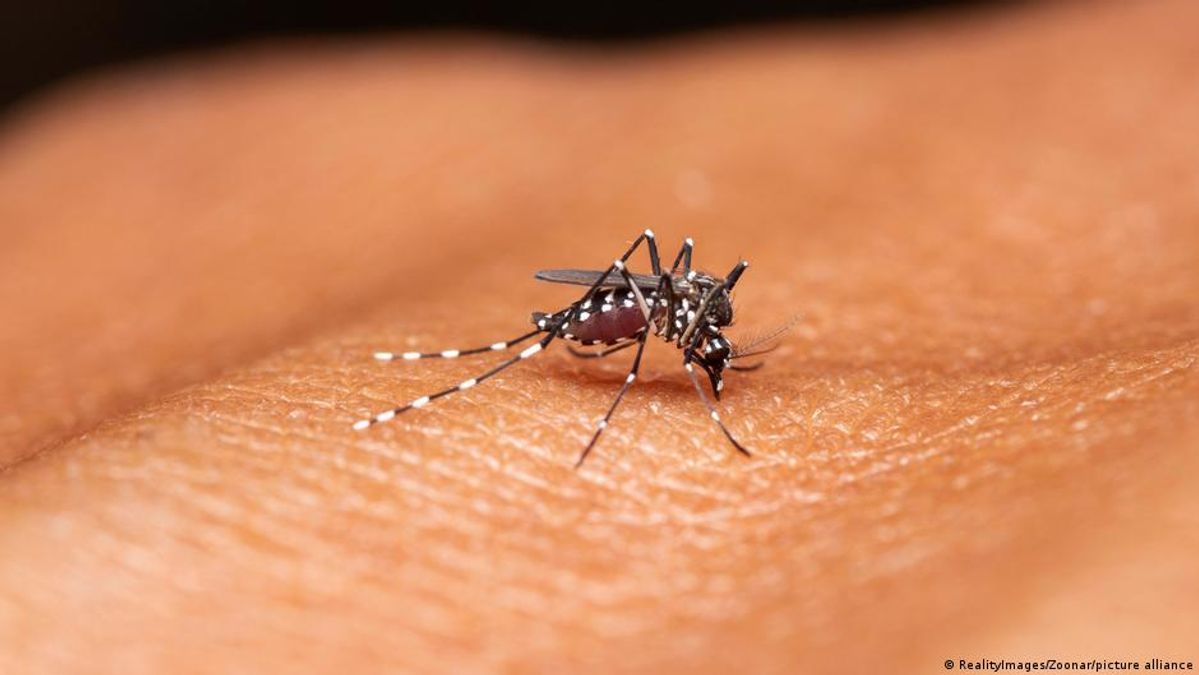
Climate change is reshaping Africa's malaria risk, with rising temperatures altering the disease's transmission dynamics. A new study published in Nature found that temperatures in southern Africa and high-elevation areas of East Africa are becoming increasingly suitable for malaria transmission, while parts of West Africa are becoming too hot for optimal transmission.
The World Health Organization (WHO) has recommended a wider use of the RTS,S/AS01 malaria vaccine among children living in regions with moderate to high malaria transmission. However, funding cuts have jeopardized malaria control efforts, with more than half of malaria-endemic countries reporting moderate or severe disruptions to malaria services. The WHO has warned that resistance to insecticides and drugs, funding gaps, and weak health systems could negate any reduction in malaria transmission associated with rising temperatures.
Children under 5 years of age account for about 76% of malaria deaths in the region. The changing disease landscape will disproportionately affect regions less accustomed to fighting malaria, with experts warning that these areas must adapt to the evolving threat. The human cost will be borne by vulnerable populations, including those in southern Africa and high-elevation areas of East Africa, who will face a growing new threat that could undo hard-won gains.
Powerful actors, including governments and international organizations, are downplaying the need for significant investment in local health systems and climate resilience. The focus on vaccine distribution and funding for malaria control efforts has overshadowed the need for adaptation and investment in local institutional capacity. Experts warn that without a significant increase in investment, many African countries risk being unprepared for the changing epidemiological landscape that climate change is creating.
Readers should watch for increased efforts to adapt to the evolving malaria threat, including more aggressive anti-malaria programs in cooler areas where risk is rising. The implementation of adaptation plans and investment in local health systems will be crucial in mitigating the human cost of climate change. Additionally, the response of international organizations and governments to the funding gaps and weak health systems will be critical in determining the effectiveness of malaria control efforts.
Editor's Note: The analysis is based on a new study published in Nature and expert opinions, but the effectiveness of adaptation efforts and investment in local health systems remains uncertain.
Source referenced: DW
This brief was synthesized by our Editorial Engine and reviewed by The Ground Narrative team.