TRENDING

Monday, 5 October 2026
----------------------
24 Rabi' Al-Thani 1448 AH
Former US and Iranian diplomats warn that the ongoing conflict with Iran is more likely to escalate than find a diplomatic resolution, citing a preference for 'quick wins' over sustained negotiations. This analysis explores the dangerous implications for the region and its people.
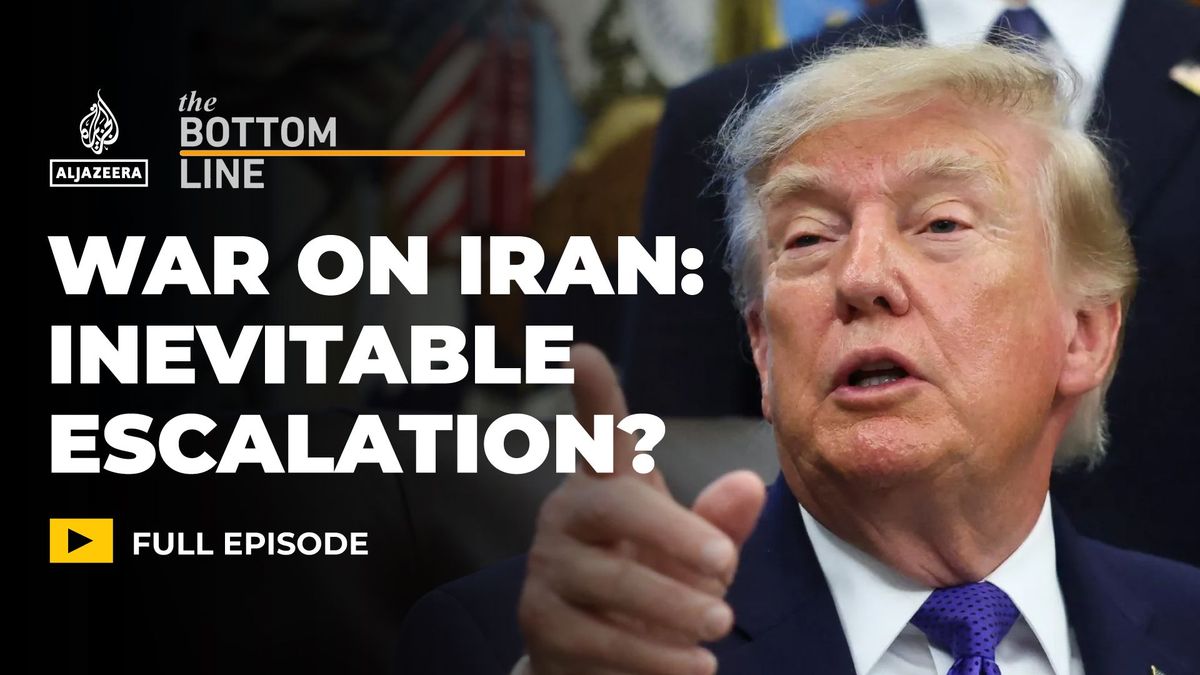
In early October 2026, a stark consensus emerged from former US and Iranian diplomats: the ongoing conflict involving Iran is poised for escalation rather than a diplomatic resolution. Hossein Mousavian, a former Iranian diplomat, and Alan Eyre, a former US diplomat, both veterans of past nuclear negotiations, conveyed their shared apprehension that a peace deal or even a
Former US and Iranian diplomats point to the current US administration's preference for 'quick wins' over sustained diplomacy, coupled with deep mistrust between Washington and Tehran. This approach leaves little room for compromise or a lasting peace agreement.
The human costs include severe economic hardship for Iranian citizens due to sanctions, widespread displacement and humanitarian crises from proxy conflicts across the Middle East, and global economic instability through volatile oil prices and disrupted trade routes.
The US often downplays its historical and strategic interests in the region beyond nuclear non-proliferation, while Iran often omits its own role in regional destabilization and the impact of its policies on its citizens. Regional powers also have self-serving motives in maintaining or escalating tensions.
Editor's Note: Analysis is based on the provided intelligence and general geopolitical context of US-Iran relations, assuming the 2026 timeframe with Donald Trump as President as per the source material.
Source referenced: ALJAZEERA
This brief was synthesized by our Editorial Engine and reviewed by The Ground Narrative team.


