TRENDING

Monday, 5 October 2026
----------------------
24 Rabi' Al-Thani 1448 AH
A 7.5-magnitude earthquake in Colombia has killed over 250 people, highlighting the country's vulnerable infrastructure and the challenges faced by rescue teams. As the search for survivors continues, concerns about the government's disaster preparedness and response have come to the forefront.
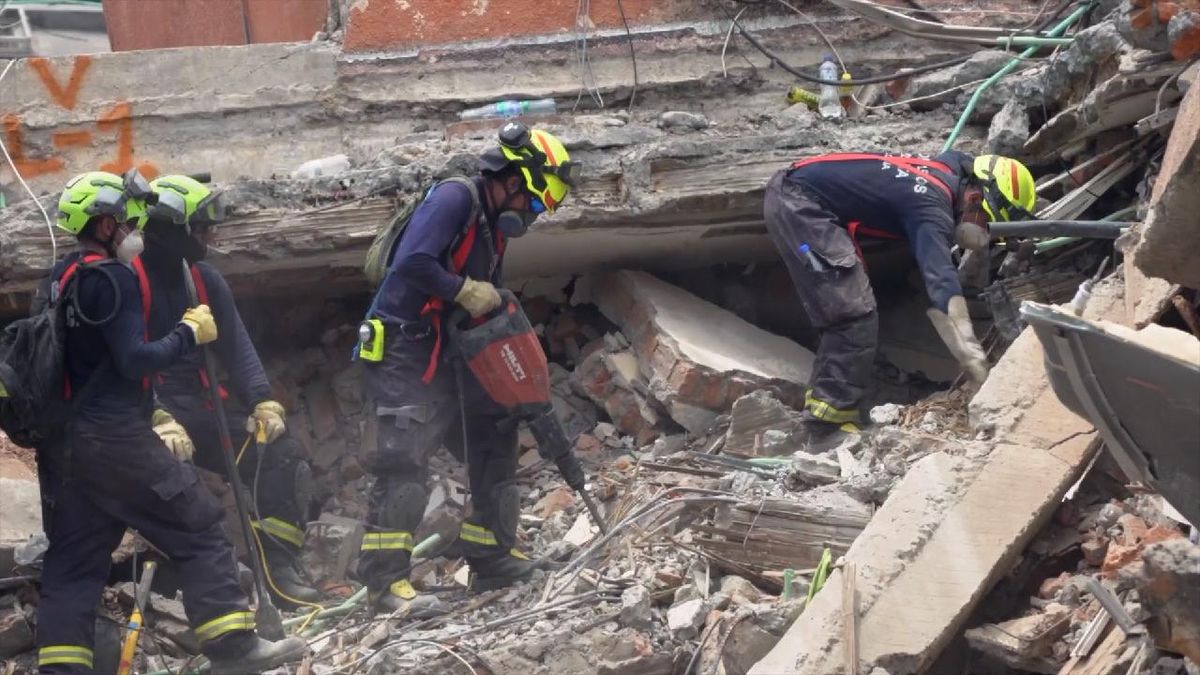
A devastating 7.5-magnitude earthquake struck Colombia, resulting in the loss of over 250 lives and widespread destruction. The disaster has prompted a massive rescue effort, with thousands of volunteers and rescue teams working around the clock to find survivors trapped under collapsed buildings.
The earthquake has exposed the weaknesses in Colombia's infrastructure, which has been a longstanding concern. Years of underinvestment in disaster preparedness and infrastructure have left the country vulnerable to natural disasters. The government's response to the crisis will be closely watched, as it faces scrutiny over its ability to provide adequate support to affected communities. The international community, including organizations like the United Nations, may also play a crucial role in providing aid and assistance.
The earthquake has had a disproportionate impact on low-income communities, which often lack access to basic services like healthcare and emergency response. The disaster has also highlighted the vulnerability of Colombia's informal economy, where many workers are not protected by labor laws or social safety nets. As the rescue efforts continue, it is essential to consider the long-term effects of the disaster on these communities and the potential for increased poverty and inequality.
While the immediate focus is on search and rescue operations, questions about the government's disaster preparedness and response are being raised. The earthquake has exposed gaps in Colombia's emergency response system, including inadequate infrastructure, insufficient funding, and a lack of coordination between government agencies. These concerns are being downplayed by the government, which is keen to project an image of control and competence.
In the coming days and weeks, it is essential to watch for updates on the government's response to the disaster, including the allocation of resources and the implementation of relief measures. The international community's response will also be crucial, as Colombia may require significant aid and assistance to recover from the disaster. Furthermore, protests and demonstrations may erupt as affected communities demand greater accountability from the government and more effective support for their recovery efforts.
Editor's Note: The analysis is based on publicly available information and may not reflect the full complexity of the situation on the ground.
Source referenced: CGTN
This brief was synthesized by our Editorial Engine and reviewed by The Ground Narrative team.