TRENDING

Monday, 5 October 2026
----------------------
24 Rabi' Al-Thani 1448 AH
Extreme heat and dwindling river levels are forcing European nuclear power plants to cut output, exposing a critical vulnerability in the continent's energy supply. This silent crisis threatens electricity prices and grid stability for millions of ordinary citizens.
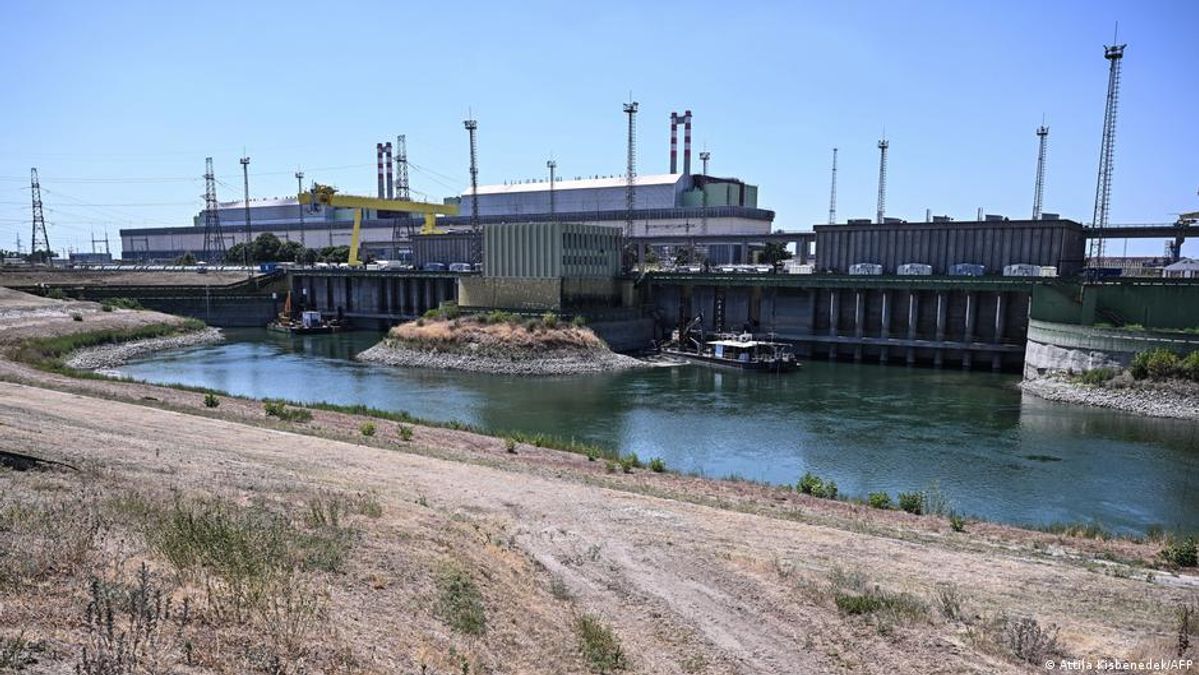
Across Europe, a critical challenge is emerging as extreme heatwaves and prolonged droughts reduce water levels in vital rivers. Nuclear power plants, particularly in France and Hungary, rely heavily on these waterways for cooling. Recently, Hungary's Paks nuclear plant, responsible for 40% of the nation's electricity, saw its operations severely curtailed due to record-low Danube levels, narrowly avoiding a complete shutdown. France, Europe's largest nuclear power producer, also experienced significant temporary reductions in output, at times limiting available capacity by up to one-fifth, impacting its ability to export electricity to neighboring countries.
Nuclear power generation, while carbon-light, is water-intensive. Approximately two-thirds of the heat generated in a reactor is released into the environment, often into rivers or the sea, through cooling systems. When river levels drop and water temperatures rise, operators are forced to reduce output or shut down reactors. This isn't primarily a safety issue for the reactor itself, but a measure to comply with environmental regulations designed to protect aquatic ecosystems from thermal pollution. France, a linchpin of the European electricity market, typically exports significant power. When its nuclear output is constrained, it can quickly shift from exporter to importer, sending ripples through the interconnected European grid and affecting short-term electricity prices. This dynamic highlights the delicate balance between environmental protection, energy security, and the economic realities of a warming climate.
The immediate human cost of these curtailments falls squarely on ordinary European citizens and local ecosystems. Reduced power generation, especially during peak demand periods driven by air conditioning use in heatwaves, translates directly into higher electricity prices. This impacts household budgets and the operational costs for small businesses. Furthermore, the need to protect river life means that even with exemptions, the health of aquatic ecosystems is under constant stress. When authorities grant temporary waivers to temperature limits, it's a direct trade-off: keeping the lights on at the potential expense of local biodiversity. The stability of the power grid, taken for granted by most, becomes a tangible concern when the supply side is compromised by forces beyond human control.
While official reports, such as France's audit office, might downplay the annual impact of climate-related disruptions—noting they account for less than 1-1.5% of total annual production—these aggregate figures obscure a more critical truth: the *short-term, acute disruptions* are what truly destabilize grids and spike prices. A 1.5% annual loss might seem small, but temporary reductions of eight to nine gigawatts during peak heatwaves represent a significant portion of available capacity when it's needed most. What's often omitted is the systemic vulnerability of a centralized energy system heavily reliant on large, fixed infrastructure susceptible to environmental shifts. Governments and energy companies are also downplaying the true, escalating costs of climate adaptation—building new cooling towers, deepening water intakes, and relocating future plants to coastal areas—which require massive investment and land, ultimately borne by taxpayers and consumers.
Moving forward, several factors will determine Europe's energy resilience. Watch for the frequency and intensity of future heatwaves and droughts, which climate models suggest will only increase. Observe how national energy policies evolve: will the push for new nuclear reactors, like France's EPR2 program, adequately account for climate vulnerabilities, or will there be a greater pivot towards decentralized, less water-dependent renewable sources like solar and wind? Pay attention to investments in grid modernization and cross-border energy sharing, as these will be crucial for mitigating localized supply shocks. Finally, the ongoing tension between environmental protection and energy security will remain a critical watchpoint, as authorities grapple with whether to grant more frequent exemptions to thermal discharge limits, putting the burden of choice on the public's awareness.
Source referenced: DW
This brief was synthesized by our Editorial Engine and reviewed by The Ground Narrative team.