TRENDING

Monday, 5 October 2026
----------------------
24 Rabi' Al-Thani 1448 AH
Europe's summer of record-breaking heatwaves and wildfires has displaced hundreds of thousands, cost billions, and exposed the continent's vulnerability to climate change. As the region struggles to cope with the immediate consequences, it's clear that this is not just a natural disaster, but a symptom of a deeper crisis. The economic, energy, and human toll of this summer's extreme weather events serves as a stark reminder that Europe's infrastructure, economy, and very way of life are under threat from a rapidly warming world.
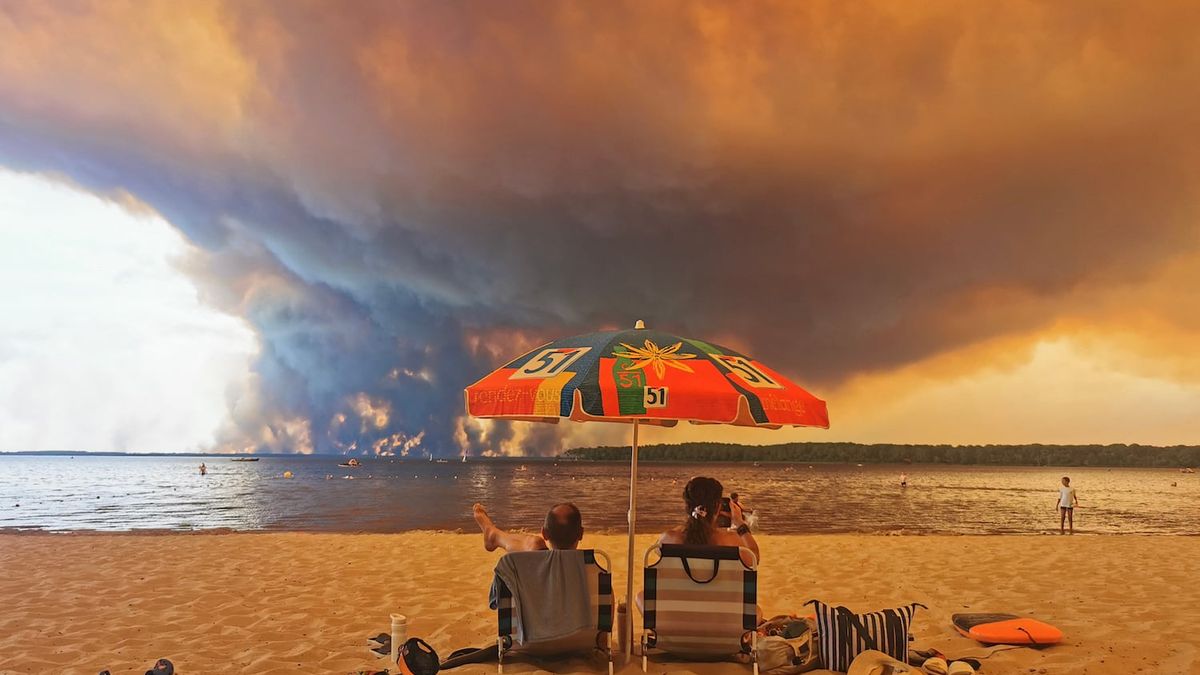
Europe has faced an unprecedented summer of heatwaves and wildfires, with hundreds of thousands displaced and billions of dollars in damages. The heatwave that gripped Europe in June alone is estimated to have shaved more than $2 billion off the continent's grain crop, while the wildfires tearing across the five heaviest-hit countries have already cost more than $3 billion.
The underlying cause of Europe's summer of nightmares is climate change, driven by human activity and the burning of fossil fuels. This has primed and supercharged the wildfires that have devastated Spain and France, fueling the hot and dry conditions that made much of Europe a tinderbox. European leaders have recognized the hazards that climate change has unleashed on the continent, deeming it a "national security emergency" that is "threatening our way of life." However, the lack of preparedness and investment in climate resilience has left Europe ill-equipped to navigate this new normal.
The human toll of this summer's extreme weather events has been staggering, with the continent reporting more than 10,000 excess deaths, most of whom were over the age of 65. The displacement of hundreds of thousands of people has also put a strain on local communities and economies. The economic implications of the heatwave and wildfires have been far-reaching, with shipping and transportation disrupted, and energy prices spiking to levels typically only seen in the winter.
What powerful actors are downplaying is the fact that Europe's infrastructure and economy were built for a climate that no longer exists. The lack of investment in climate resilience and adaptation has left the continent vulnerable to the impacts of climate change. The strain on nuclear power, the biggest source of electricity across the European Union, has been particularly severe, with many power plants forced to shut down due to lack of cooling water. The fact that many systems and infrastructure simply weren't built for a rapidly warming world has big economic implications, and it's not just Europe that is affected - the global energy system is very vulnerable to a changing climate.
As the heat shows no signs of easing, now or in the years to come, scientists warn that Europe will see even worse consequences in the future without sufficient action. The next few months will be crucial in determining the trajectory of Europe's climate response, with policymakers facing tough decisions on how to balance economic growth with the need to reduce greenhouse gas emissions and invest in climate resilience. The European Union's ability to coordinate a unified response to the climate crisis will be put to the test, and the outcome will have far-reaching implications for the continent's economy, energy security, and human well-being.
Editor's Note: The analysis is based on publicly available data and expert opinions, but the exact magnitude and timing of future climate-related events are subject to uncertainty.
Source referenced: FOREIGNPOLICY
This brief was synthesized by our Editorial Engine and reviewed by The Ground Narrative team.