TRENDING

Monday, 5 October 2026
----------------------
24 Rabi' Al-Thani 1448 AH
The trial of an ex-gang leader accused of masterminding Tupac Shakur's murder begins, shedding light on the dark underbelly of power and violence in America. Three decades after the rapper's death, the case raises questions about justice, legacy, and the human cost of gang violence.
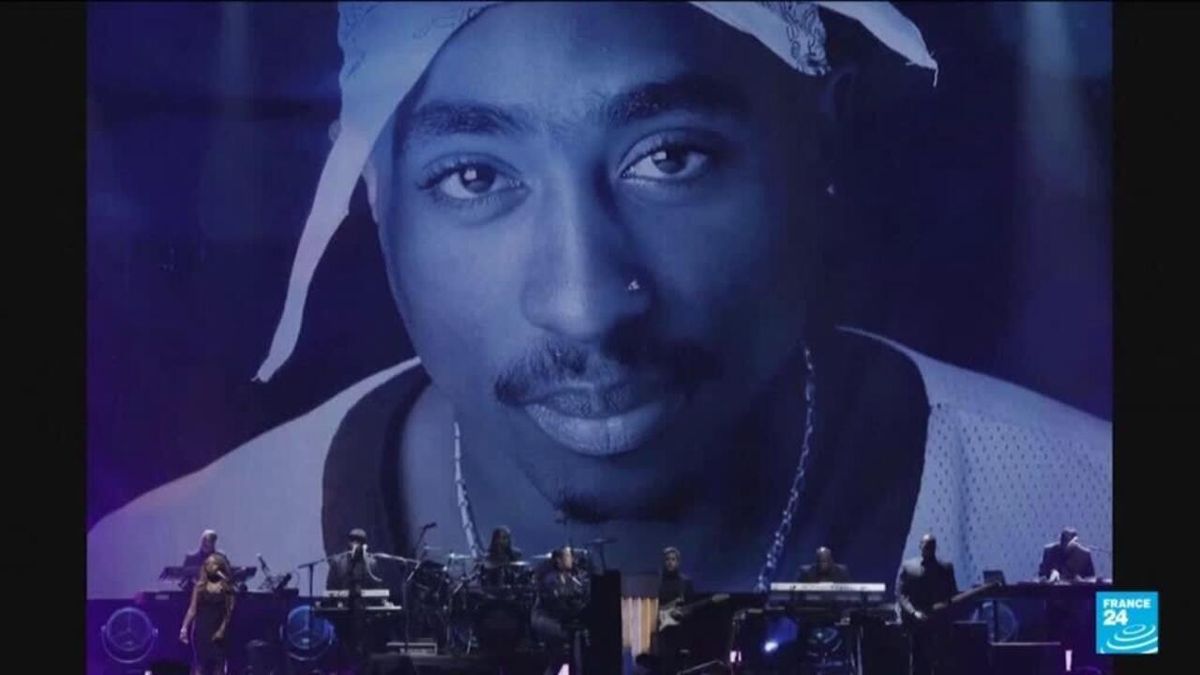
The trial of an ex-gang leader charged with the 1996 murder of Tupac Shakur has begun, marking a significant moment in the pursuit of justice for the legendary rapper's family and fans. The case, which has gone unsolved for three decades, is a testament to the complexities and challenges of investigating and prosecuting crimes linked to organized gang activity.
The murder of Tupac Shakur is a stark reminder of the intersection of gang violence, police corruption, and systemic racism in America. The fact that it took 30 years for the trial to commence highlights the inertia and inefficiencies within the justice system, particularly when it comes to cases involving high-profile victims from marginalized communities. The power dynamics at play are multifaceted, involving gang rivalries, police rivalries, and the lucrative music industry, all of which have contributed to the obfuscation of truth and the delay of justice.
Tupac Shakur's murder is not just a celebrity crime story; it represents the human cost of gang violence that affects countless families and communities across America. The delay in justice has meant that generations of fans and family members have been left without closure, their grief and outrage compounded by the feeling that the system has failed them. Moreover, the case underscores the vulnerability of artists and activists who speak truth to power, often at great personal risk.
While the trial is a significant step towards justice, it also raises questions about the role of law enforcement and intelligence agencies in the events leading up to and following Tupac's murder. There are allegations of police complicity and corruption that have never been fully addressed, leaving a cloud of suspicion over the official narrative. Furthermore, the case highlights the systemic issues of racism and discrimination that permeate the justice system, affecting not just the investigation and prosecution of crimes but also the lives and livelihoods of entire communities.
As the trial unfolds, it will be crucial to watch for any attempts to obfuscate or downplay the role of systemic factors in Tupac's murder. The public should also be vigilant about potential miscarriages of justice, ensuring that the trial is fair and transparent. Additionally, the case should serve as a catalyst for broader conversations about gang violence, police reform, and racial justice, highlighting the need for comprehensive solutions that address the root causes of these issues.
Editor's Note: The analysis is based on publicly available information and may not reflect the full complexity of the case or the trial's outcome.
Source referenced: FRANCE24
This brief was synthesized by our Editorial Engine and reviewed by The Ground Narrative team.


