TRENDING

Monday, 5 October 2026
----------------------
24 Rabi' Al-Thani 1448 AH
A Chinese businessman facing money laundering probes invested $100 million into a former US President's crypto venture, raising alarms about financial transparency and political influence. This transaction highlights the porous boundaries between high finance, political power, and the global flow of opaque wealth.
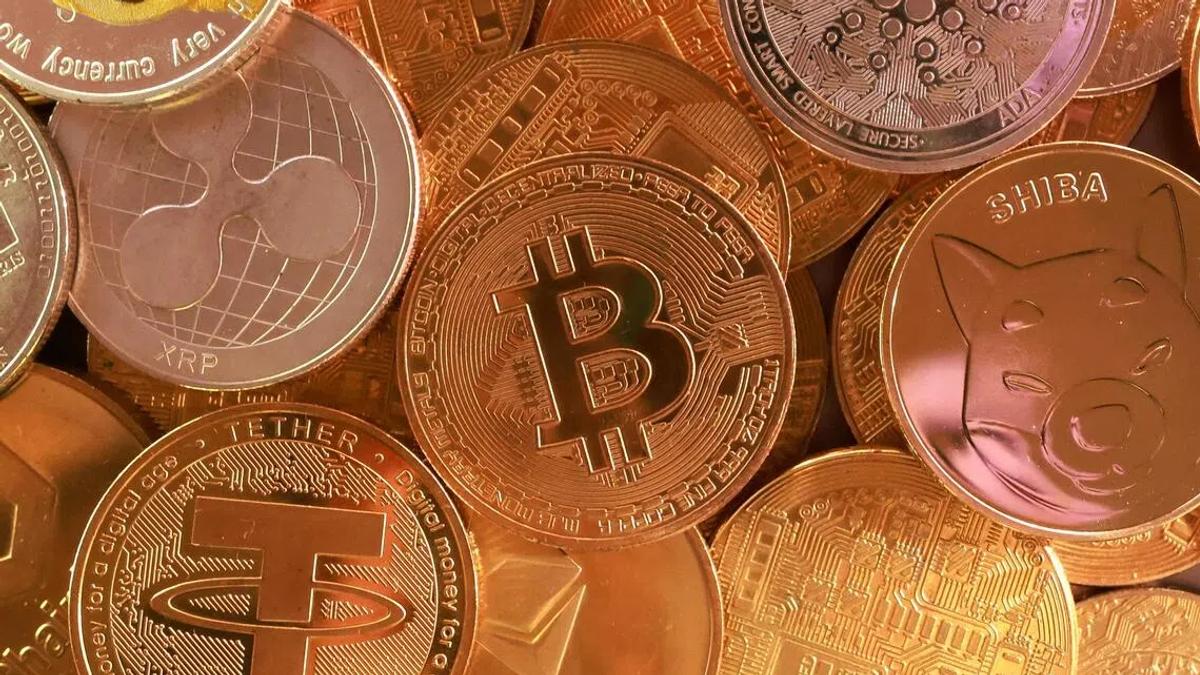
In a development that underscores the often-opaque intersection of global finance and political power, Guren “Bobby” Zhou, a Chinese businessman reportedly under investigation for money laundering in Britain, funneled a significant sum of US$100 million into World Liberty Financial, a cryptocurrency company co-founded by former US President Donald Trump. This substantial investment occurred despite numerous red flags surrounding Zhou's troubled business history, including failed ventures and false claims of high-profile partnerships, prompting serious questions about the anti-money laundering (AML) compliance protocols in place.
This transaction reveals a classic interplay of power mechanics: the pursuit of capital by political figures and the quest for legitimacy or influence by individuals with questionable financial backgrounds. For Trump's crypto venture, a US$100 million injection represents a substantial financial boost, providing liquidity and perceived market validation. For Zhou, such a high-profile investment, particularly with a politically connected entity, could serve multiple purposes: a means to potentially legitimize wealth, gain access to influential networks, or even obscure the true origin of funds. The allure of quick, large-scale capital often overrides rigorous due diligence, especially in the less regulated cryptocurrency space, creating a fertile ground for such exchanges. This dynamic highlights how political proximity can become a valuable commodity, traded for financial gain, irrespective of the source of that capital.
The immediate beneficiaries of this transaction are clear: Trump’s company and, by extension, his family. However, the human cost is borne by ordinary citizens globally. When financial systems fail to adequately vet large sums of money, particularly those linked to individuals under investigation for illicit activities, it erodes public trust in the integrity of financial markets and political institutions. This lack of transparency can contribute to a perception that wealth, regardless of its origin, can buy influence and bypass accountability, ultimately undermining democratic principles and the rule of law. The average taxpayer, whose legitimate earnings are subject to strict scrutiny, is left to wonder why such laxity is afforded to politically connected ventures and their benefactors, creating a system where the powerful operate by different rules.
What governments, corporations, and official statements consistently downplay or omit in such situations are the systemic vulnerabilities that enable these transactions. The focus often remains on individual actors, deflecting from the broader failures in anti-money laundering (AML) regulations and enforcement, particularly when politically exposed persons (PEPs) or their associates are involved. There is a deliberate silence around the ease with which large, potentially illicit funds can penetrate seemingly legitimate financial structures, especially those operating in the burgeoning and often less-regulated cryptocurrency sector. The unspoken truth is that the global financial architecture, despite its stated commitments to combating financial crime, frequently prioritizes capital flow over stringent oversight, particularly when the capital comes from powerful or politically connected sources. The question of *why* such a high-risk investor was accepted, and what due diligence was truly performed, remains largely unanswered by those who stand to benefit.
Moving forward, several key areas warrant close observation. Firstly, the ongoing investigations into Guren “Bobby” Zhou in Britain will be critical. Any findings could shed further light on the true origins of his wealth and the extent of his alleged money laundering activities, potentially triggering wider international scrutiny. Secondly, the regulatory response to cryptocurrency companies, particularly those with political ties, will be a crucial indicator. Will this incident prompt stricter AML requirements for crypto ventures, or will the sector continue to operate with comparatively less oversight than traditional finance? Finally, the broader political implications in the US, especially concerning campaign finance transparency and foreign influence, will be paramount. As the US enters another election cycle, the public will be watching for any further revelations about the financial dealings of political figures and their associated businesses, and whether these transactions influence public perception or policy decisions.
Source referenced: STRAITSTIMES
This brief was synthesized by our Editorial Engine and reviewed by The Ground Narrative team.


