TRENDING

Monday, 5 October 2026
----------------------
24 Rabi' Al-Thani 1448 AH
Thousands of students and young people in India are protesting against the country's recruitment exam system, demanding reforms and accountability. The unrest has led to clashes with police and the resignation of India's education minister. As the protests continue, it's clear that India's youth are fighting against a system that seems designed to hold them back.
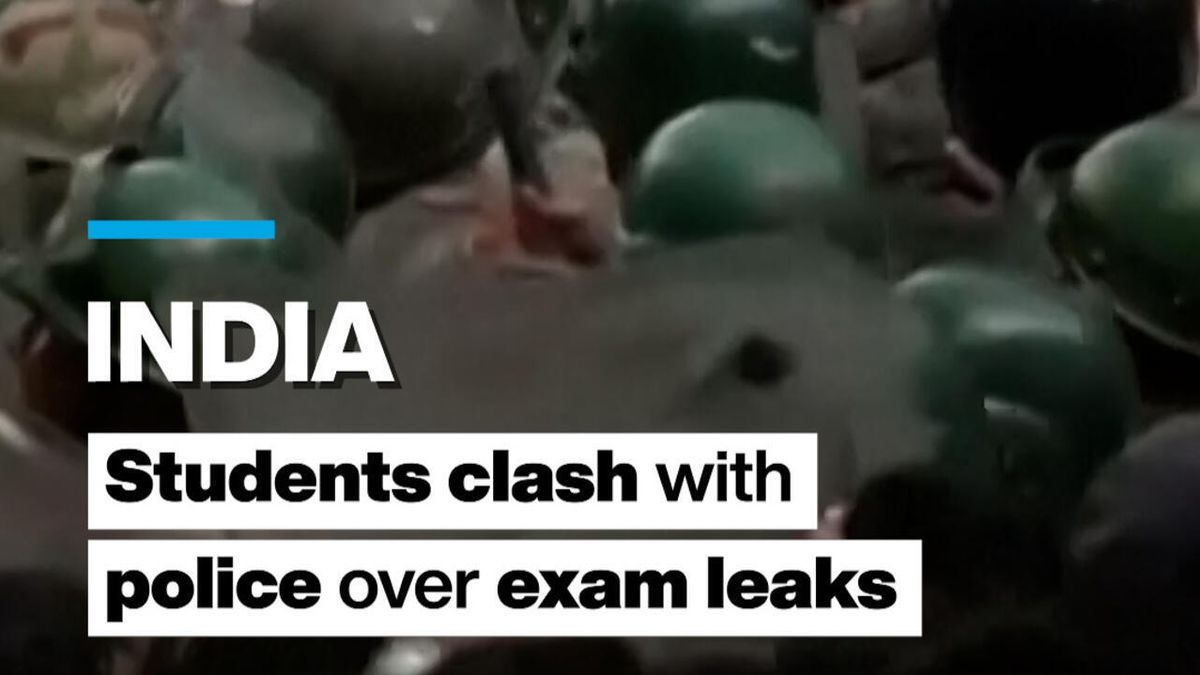
In late July, thousands of students and unemployed young people took to the streets in Jharkhand, India, to protest against the state's recruitment exam system. The protests, which have been ongoing for weeks, come after similar demonstrations in Delhi led to the resignation of India's education minister last month. The unrest is a response to a system that many see as rigged against them, with exam leaks and corruption denying deserving candidates a fair chance.
At the heart of the protests is a sense of frustration and disillusionment with a system that seems designed to favor those with connections and wealth. India's exam system is notoriously competitive, with millions of students competing for a limited number of spots in top universities and government jobs. However, the system is also plagued by corruption and leaks, which can give some candidates an unfair advantage. The government's response to the protests has been heavy-handed, with police using force to disperse demonstrators. This has only added to the sense of anger and frustration among India's youth.
The protests are not just about exam reforms; they're about the future of India's youth. With unemployment rates high and job opportunities scarce, many young people feel that the system is stacked against them. The protests are a cry for help, a demand for a fair chance to succeed in a country where connections and corruption often seem to matter more than merit. The human cost of the protests is already being felt, with reports of injuries and arrests. However, the real cost will be felt in the long term, if the government fails to respond to the demands of its youth and create a more equitable system.
What's being downplayed in the official response to the protests is the depth of frustration and anger among India's youth. The government is trying to portray the protests as a law and order issue, rather than a symptom of a deeper problem. However, the reality is that India's youth are fed up with a system that seems designed to hold them back. They're demanding accountability and transparency, and they're not going to back down until they get it. The government's response to the protests will be a test of its commitment to democracy and the rule of law.
As the protests continue, it's clear that India's youth are not going to back down. The government will need to respond to their demands, and create a more equitable system that gives everyone a fair chance to succeed. The next few weeks will be crucial, as the government decides how to respond to the protests. Will it use force to quell the unrest, or will it listen to the demands of its youth and create a more just system? The world will be watching, as India's youth fight for their future.
Editor's Note: The situation is ongoing, and the government's response to the protests is still unclear.
Source referenced: FRANCE24
This brief was synthesized by our Editorial Engine and reviewed by The Ground Narrative team.


