TRENDING

Saturday, 3 October 2026
----------------------
22 Rabi' Al-Thani 1448 AH
Israel's rejection of the US-backed 15-point plan for Gaza underscores the deep-seated power struggle between Israel and Hamas, with the civilian population bearing the brunt of the conflict. As the situation continues to deteriorate, it's essential to examine the underlying mechanics of power and the human cost of this protracted crisis.
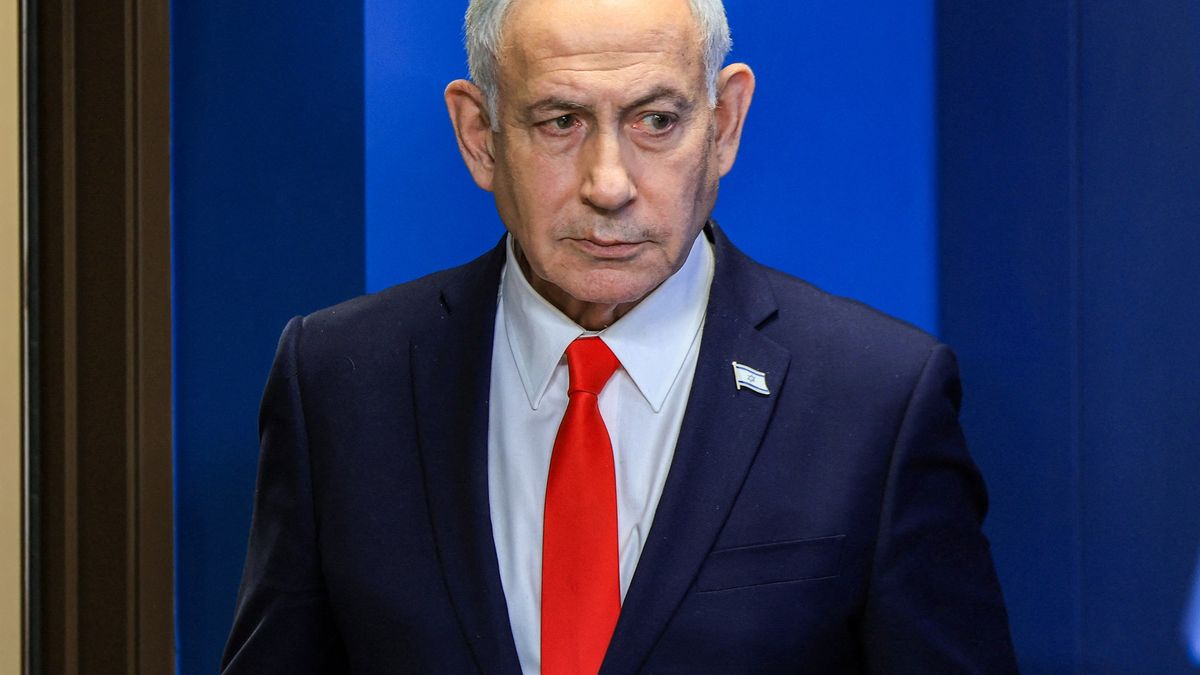
Israel has rejected the US-backed 15-point plan for Gaza, with Prime Minister Benjamin Netanyahu stating that the Israeli army will not withdraw until Hamas is fully disarmed. This move comes despite the plan being endorsed by Hamas last month, highlighting the complexities and challenges of achieving a lasting peace in the region.
The rejection of the peace plan is a testament to the enduring power struggle between Israel and Hamas. Israel's insistence on Hamas' disarmament is a non-negotiable condition, driven by concerns over national security and the need to maintain a strategic advantage. The US, as a key player in the region, is attempting to broker a peace deal, but its influence is limited by the deep-seated mistrust between the parties involved. The Israeli government's stance is also influenced by domestic politics, with Netanyahu seeking to maintain a hardline stance to appease his political base.
The civilian population in Gaza is bearing the brunt of the conflict, with near-daily deadly attacks and a crippling blockade exacerbating the humanitarian crisis. The rejection of the peace plan means that the people of Gaza will continue to suffer, with limited access to basic necessities like food, water, and healthcare. The international community's inability to effectively address the crisis has led to a sense of abandonment and despair among the population, further entrenching the cycle of violence.
The US-backed peace plan's emphasis on Hamas' disarmament overlooks the underlying issues driving the conflict, including the Israeli occupation and the lack of a viable Palestinian state. The plan's failure to address these core issues means that even if Hamas were to disarm, the underlying tensions and grievances would remain, making a lasting peace unlikely. Furthermore, the plan's focus on security concerns ignores the human cost of the conflict, perpetuating a narrative that prioritizes state security over human rights and dignity.
As the situation in Gaza continues to deteriorate, it's essential to watch for signs of escalation, including increased violence and a potential breakdown in the fragile ceasefire. The international community's response will be crucial, with the US, EU, and other key players needing to reassess their approach to the conflict. A more nuanced understanding of the power dynamics and human cost is necessary to develop a comprehensive and sustainable peace plan that addresses the root causes of the conflict and prioritizes the needs and dignity of the civilian population.
Editor's Note: The analysis is based on publicly available information and may not reflect the full complexity of the situation on the ground.
Source referenced: ALJAZEERA
This brief was synthesized by our Editorial Engine and reviewed by The Ground Narrative team.