TRENDING

Saturday, 3 October 2026
----------------------
22 Rabi' Al-Thani 1448 AH
France's Constitutional Council has blocked a bill banning social media access for under-15s, citing freedom of expression concerns. This setback for President Emmanuel Macron raises questions about the balance between protection and censorship. As the digital landscape evolves, who will bear the human cost of these decisions, and what does this mean for the future of online rights?
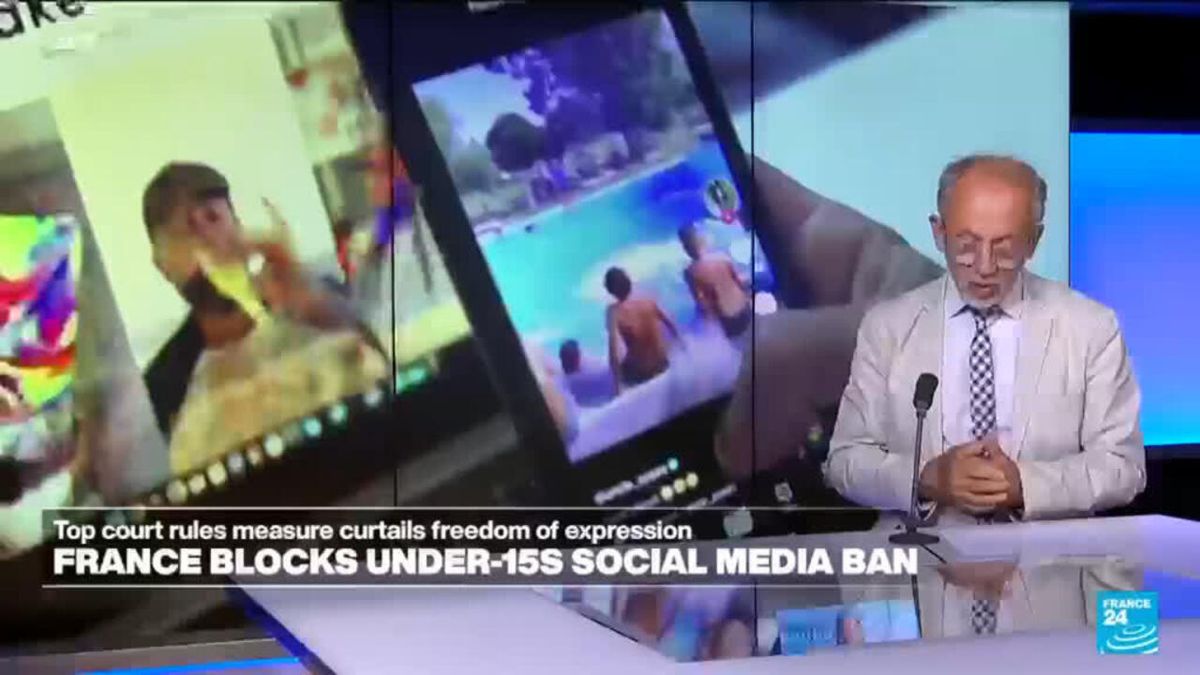
In a significant move, France's Constitutional Council has vetoed a proposed law that aimed to prohibit individuals under the age of 15 from accessing social media platforms. This decision directly counters President Emmanuel Macron's push for the legislation, which he believed would help protect young minds from the potential harms of social media. The council's ruling, based on the infringement of freedom of expression, marks a critical juncture in the ongoing debate about digital rights and responsibilities.
At the heart of this issue are complex power dynamics involving the government, social media giants, and the public. President Macron's determination to implement this ban, despite the council's ruling, underscores the political will to be seen as proactive on issues of digital safety and child protection. However, this move also reveals the challenges of regulating the digital sphere, where the lines between protection and censorship can become blurred. The role of social media companies, which have significant influence over the digital landscape, cannot be overlooked. Their responses to regulatory pressures will be crucial in shaping the future of online interactions.
The human cost of this debate is borne by the young people and families who are most directly affected by these regulations. On one hand, there are legitimate concerns about the impact of social media on mental health, privacy, and the well-being of minors. On the other hand, blanket bans can also limit access to information, educational resources, and social connections that are vital for development and community building. As policymakers navigate these complexities, it is essential to consider the diverse needs and experiences of young people, ensuring that any solutions are tailored and effective rather than one-size-fits-all restrictions.
What is often downplayed in discussions about social media regulation is the broader societal context in which these issues arise. The push for stricter controls on social media use among minors reflects deeper anxieties about the pace of technological change, the erosion of traditional authority structures, and the challenges of parenting in the digital age. Furthermore, the ability of governments and regulatory bodies to effectively monitor and control online activities is limited, raising questions about the practicality and enforceability of such bans. The real story, therefore, is not just about the legal or political battles but about the evolving nature of society, technology, and human interaction.
As France revisits its approach to regulating social media for minors, several key developments will be worth watching. First, how President Macron and his government choose to revise the proposed legislation will indicate the extent to which they are willing to balance freedom of expression with protection of minors. Second, the responses of social media companies to these regulatory efforts will be crucial, as they have the technical capability to implement age restrictions and content moderation policies that could either support or undermine government initiatives. Lastly, the engagement of civil society, including advocacy groups and the public, will play a significant role in shaping the discourse around digital rights and responsibilities, influencing the direction of future policy decisions.
Editor's Note: The analysis is based on publicly available information and may not reflect the full complexity of the issue, given the evolving nature of digital policy and regulation.
Source referenced: FRANCE24
This brief was synthesized by our Editorial Engine and reviewed by The Ground Narrative team.