TRENDING

Thursday, 22 October 2026
----------------------
11 Jumada Al-Awwal 1448 AH
Chinese Foreign Minister Wang Yi’s meeting with Djibouti’s counterpart deepens a partnership that intertwines infrastructure, security and debt. The deal promises growth for Djibouti but also brings hidden costs for its citizens.
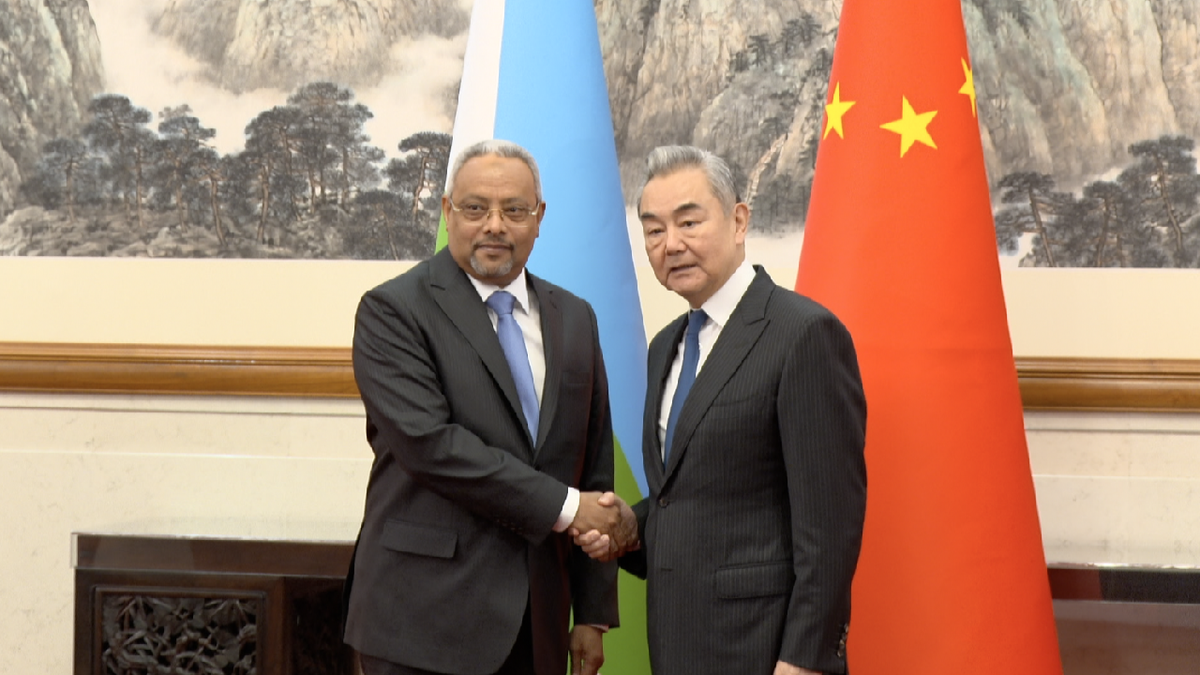
Chinese Foreign Minister Wang Yi met Djibouti’s Foreign Minister Abdoulkader Houssein Omar in Beijing on October 21, 2026. Both sides hailed a "comprehensive strategic partnership" and pledged to expand cooperation across trade, security and infrastructure, emphasizing Djibouti’s "geographical advantages" and China’s "zero‑tariff policy".
Djibouti sits at the mouth of the Red Sea, a chokepoint for global shipping. By deepening ties, China secures a reliable foothold for its Belt and Road Initiative, allowing Chinese vessels to refuel, repair, and potentially stage logistics operations far from home ports. The partnership dovetails with Beijing’s broader push to create a network of overseas logistics hubs that can support both commercial and, if needed, military movements.
Chinese firms have already financed Djibouti’s port expansions, railway links, and power projects. The zero‑tariff promise lowers import costs for Chinese goods, making Djibouti a captive market for Beijing’s manufacturers. In return, Djibouti accrues loans denominated in yuan, often with limited public disclosure, giving China leverage over fiscal policy and future voting blocs in multilateral forums.
The Horn of Africa hosts a U.S. military base at Camp Lemonnier, a French naval presence, and growing interest from the Gulf states. By publicly securing Djibouti’s “firm support” on the one‑China principle, China signals to Washington and its allies that it can out‑maneuver rival powers through economic dependency and diplomatic alignment.
Chinese contractors bring in their own labor forces, often at lower wages than local workers. This practice depresses wages for Djiboutian dockworkers, who already earn below regional averages. The influx of foreign labor also strains housing and public services in the capital, Djibouti City.
While infrastructure promises jobs, the repayment schedules on Chinese loans are steep. A portion of national revenue must be earmarked for debt service, limiting funds for health, education, and social safety nets. When revenue falls short—due to global shipping slowdowns or regional instability—ordinary citizens bear the brunt through reduced public services.
Port expansions require dredging and land reclamation, disrupting marine ecosystems that local fishermen depend on. Moreover, new industrial zones have displaced informal settlements, forcing families into overcrowded neighborhoods with limited access to clean water and sanitation.
Official statements highlight "mutual benefit" but rarely disclose interest rates, grace periods, or collateral requirements. Analysts suspect many loans are tied to the use of Chinese firms for construction, effectively locking Djibouti into a long‑term supply chain that favors Beijing.
Beijing has not publicly announced any military facilities in Djibouti, yet Chinese naval vessels regularly dock for refueling. The partnership’s language about "peace and stability" masks the possibility of a future dual‑use port that could host Chinese surveillance or logistics assets, subtly shifting the security balance.
State‑run outlets in both countries echo each other’s praise, while independent journalists face restrictions on reporting financial details. This coordinated narrative downplays community grievances and the strategic implications of a deeper Chinese presence.
Within the next six months, Djibouti is expected to sign agreements for a new container terminal and a renewable‑energy grid, both led by Chinese state‑owned enterprises. Monitoring contract values and financing structures will reveal how much fiscal risk the government is assuming.
Washington has signaled concern over Chinese influence near its Camp Lemonnier base. Expect diplomatic visits, aid packages, or joint exercises aimed at reassuring Djibouti of alternative partnerships. The intensity of these moves will indicate whether the rivalry escalates or stabilizes.
Tensions in the Red Sea, especially around the Yemen conflict, could test the "peace and stability" pledge. Any incident involving Chinese‑flagged vessels or a shift in Djibouti’s alignment will have ripple effects on shipping insurance rates, humanitarian aid routes, and the broader balance of power in the Horn of Africa.
It includes infrastructure projects like port upgrades, zero‑tariff trade concessions, and promises of security cooperation, all financed largely through Chinese loans.
Chinese financing adds sizable yuan‑denominated loans, which require regular repayments and can limit government spending on social services if revenue falls short.
U.S. officials have warned about strategic competition and may increase aid or joint military exercises to counterbalance Beijing's economic foothold.
Editor's Note: Analysis based on publicly available statements and known patterns of Chinese overseas investment.
Source referenced: CGTN
This brief was synthesized by our Editorial Engine and reviewed by The Ground Narrative team.