TRENDING

Thursday, 22 October 2026
----------------------
11 Jumada Al-Awwal 1448 AH
President Donald Trump has floated the idea of jailing or deporting Rep. Ilhan Omar, sparking a legal showdown that pits political survival against constitutional norms. The dispute reveals who holds the real power and who will bear the fallout.
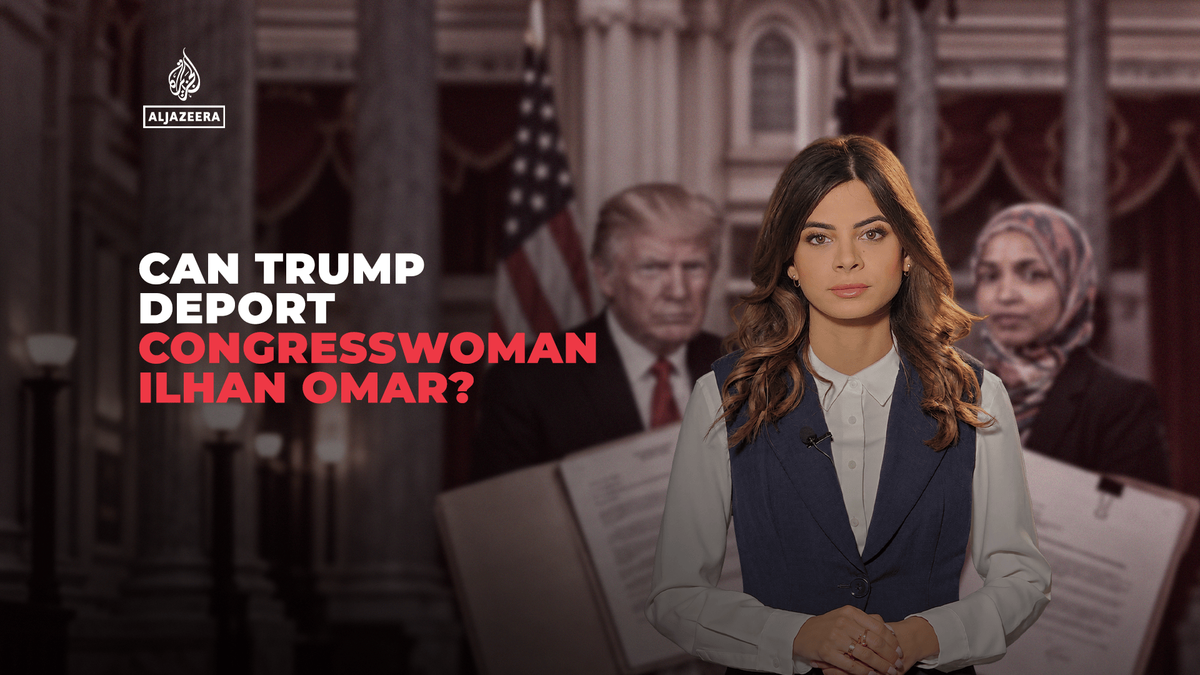
President Donald Trump hinted on a televised interview that Ilhan Omar, the first Somali‑American woman in Congress, could face criminal charges or even deportation if federal investigators find she lacks U.S. citizenship. The claim follows a renewed Department of Justice inquiry into Omar’s birth records, a move Omar denounces as political intimidation ahead of the 2026 midterm elections. While no indictment has been filed, the rhetoric has already ignited fierce debate across Capitol Hill and within immigrant communities.
- Election calculus: With the midterms looming, Trump’s base is hungry for a narrative that paints Democratic leaders as foreign agents. By spotlighting Omar—a high‑profile progressive and vocal critic of U.S. foreign policy—Trump feeds a story that can rally his supporters and distract from domestic challenges such as inflation and crime rates.
- Legal levers: The Department of Justice’s Office of the Attorney General retains discretionary power to open citizenship investigations. Historically, such probes have been rare for sitting members of Congress, but the administration can invoke the Immigration and Nationality Act to request proof of birth abroad, leveraging the same statutes used to deport undocumented migrants.
- Party dynamics: Within the Republican caucus, hardliners see Omar as a convenient target to demonstrate “law‑and‑order” credentials, while moderates fear a constitutional crisis that could alienate suburban voters. Democrats, meanwhile, must balance defending a colleague with avoiding a perception of protecting alleged illegal immigrants, a line that could cost swing districts.
- Institutional safeguards: The Constitution grants the House the sole authority to judge the qualifications of its members. Yet the executive branch can still pursue criminal charges, creating a tug‑of‑war between legislative autonomy and prosecutorial reach.
- International optics: Allies watch the United States’ handling of a Muslim‑American lawmaker with concern. Any move that appears to weaponize immigration law against a political opponent could embolden authoritarian regimes that claim the West is hypocritical on human rights.
- District 5 residents: Omar represents a diverse, working‑class constituency in Minnesota that includes many recent immigrants and refugees. The specter of deportation fuels fear among families who have already endured displacement, potentially discouraging civic participation and eroding trust in local institutions.
- Muslim American community: The broader U.S. Muslim population, already subject to heightened surveillance post‑9/11, sees Omar’s targeting as a warning sign. Community leaders report a surge in hate incidents and a chilling effect on political engagement, as activists worry they could be next.
- Legal and financial strain: Even without a conviction, the investigation forces Omar to allocate resources to legal defense, diverting funds that could otherwise support district projects. The same pressure could be replicated against other elected officials, creating a precedent where political dissent carries a personal financial toll.
- Media workers and journalists: Reporters covering the saga face intensified harassment, especially on social media platforms where coordinated campaigns amplify false narratives about Omar’s citizenship. This environment threatens press freedom and the public’s right to transparent information.
- Executive overreach downplayed: Administration spokespeople frame the investigation as a routine enforcement of immigration law, omitting the unprecedented nature of targeting a sitting member of Congress. By presenting the move as “fair and impartial,” they sidestep the constitutional clash over separation of powers.
- Foreign propaganda amplification: State‑run outlets in Russia and China have already replayed Trump’s statements, portraying the United States as a nation where political opponents can be stripped of citizenship. This narrative bolsters their own domestic crackdowns while distracting from internal dissent.
- Economic incentives hidden: Some lobbyists argue that a crackdown on high‑profile immigrants could open doors for businesses seeking to influence immigration policy. By keeping the focus on a single politician, the administration masks broader industry interests in tightening visa regimes.
- Judicial bottlenecks ignored: Legal scholars warn that the courts are ill‑prepared for a case that pits the Attorney General’s prosecutorial discretion against the House’s constitutional authority. Yet officials rarely discuss the potential backlog and the risk of a prolonged constitutional crisis.
- Grassroots resistance muted: While community groups are organizing rallies and legal aid clinics, mainstream coverage often reduces their actions to “protest” without exploring the strategic coordination that could reshape local elections and voter registration drives.
- Court filings: The next few weeks will reveal whether the DOJ files an indictment, a civil suit, or simply closes the inquiry. The language of any filing—especially references to “national security” or “public safety”—will signal how far the administration is willing to push.
- House response: A formal resolution from the House Ethics Committee or a vote to censure the President could set a precedent for legislative defense against executive intimidation.
- Midterm outcomes: Omar’s district will serve as a litmus test. If her challengers capitalize on the controversy, we may see a shift in voter turnout that reverberates in swing states.
- International reactions: Statements from the United Nations, the European Union, and Muslim‑majority nations will indicate whether the issue escalates into a diplomatic flashpoint.
- Public opinion polls: Shifts in how Americans view immigration enforcement against elected officials will inform future campaign strategies for both parties.
Staying alert to these developments will help ordinary citizens understand whether a political stunt becomes a lasting alteration of American democratic norms.
Legally, the executive can pursue criminal charges that might lead to removal, but the Constitution gives the House authority to judge its members' qualifications, creating a complex legal clash.
The controversy could mobilize voters in Omar’s district, influence swing‑state narratives about immigration, and force both parties to clarify their stances on citizenship enforcement.
Editor's Note: Analysis based on publicly available statements and legal precedents; ongoing investigations may alter specifics.
Source referenced: ALJAZEERA
This brief was synthesized by our Editorial Engine and reviewed by The Ground Narrative team.