TRENDING

Sunday, 4 October 2026
----------------------
23 Rabi' Al-Thani 1448 AH
Zambia's 2026 general election will be a crucial test of the country's democratic stability, with economic recovery, governance reforms, and judicial independence at the forefront of voters' concerns. The outcome will have significant implications for the region's democratic norms and the country's future trajectory.
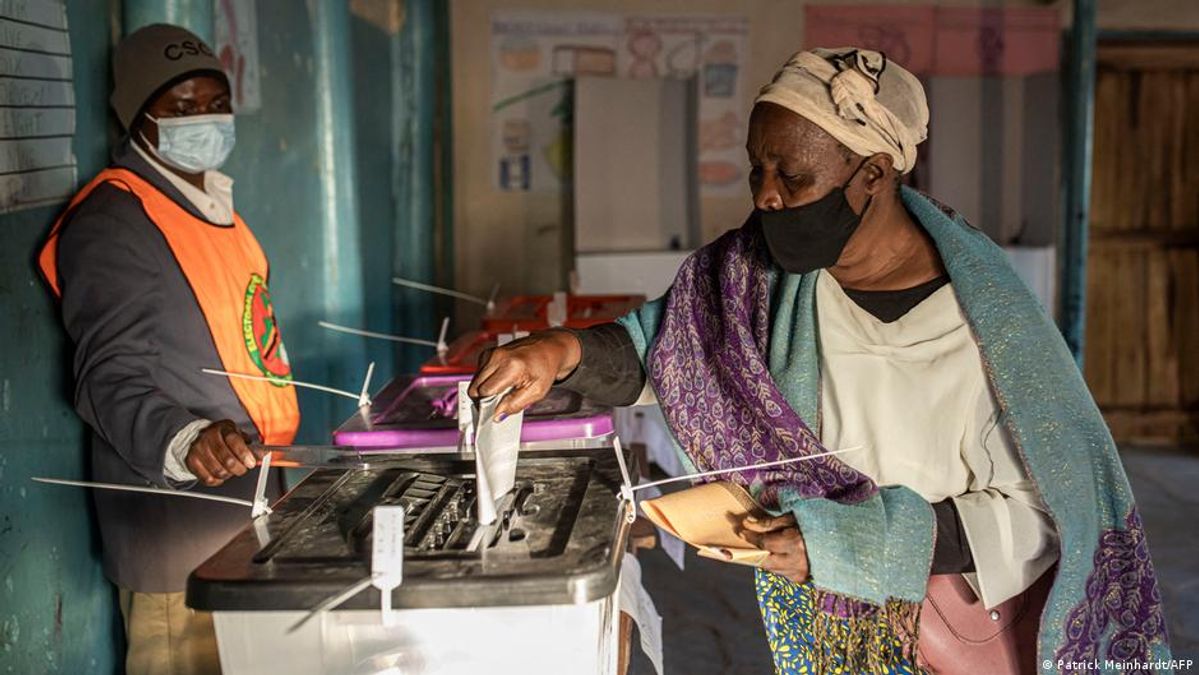
Zambia is set to hold its 2026 general election, with incumbent President Hakainde Hichilema seeking a second term against 14 opponents. The election will be fought on economic recovery, governance reforms, and a sweeping change to the country's parliamentary map. Up to 8.7 million voters are expected to take part, with a majority of them being women.
The election is a complex interplay of power dynamics, with various actors vying for influence. The incumbent president, Hakainde Hichilema, has implemented significant economic reforms, including a landmark debt restructuring agreement and the restoration of an International Monetary Fund program. However, the opposition, led by Brian Mundubile, has surged to the front of a fragmented opposition after being backed by a coalition of rival parties. The electoral commission's decision to add 70 new constituencies has also altered the parliamentary map, creating smaller, more local voting districts.
The human cost of Zambia's economic woes is stark. Over 70% of the population lives on less than three dollars a day, and many households survive on salaries between $60 and $100 a month. The cost of living is high, with grocery prices rising steadily. The youth, who make up nearly half of registered voters, are particularly affected, with many struggling to find employment and make ends meet. Women, who comprise roughly 51% of Zambia's population, are underrepresented in politics, holding only about 15% of parliamentary seats.
What is being downplayed in the election narrative is the issue of judicial independence. The suspension of three Constitutional Court judges in 2024 and the recent appointment of 16 new judges have raised concerns about the executive's interference with justice delivery. The use of criminal charges against government critics has also had a chilling effect on political expression. The international community, including Amnesty International, has warned about the restriction of dissent and opposition gatherings.
The outcome of the election will be closely watched, both domestically and internationally. The youth vote, which propelled President Hichilema to a landslide victory in 2021, is expected to be a decisive factor again. The urban centers, such as Lusaka and the Copperbelt, will be crucial in determining the outcome, with cost-of-living pressures being most acute in these areas. The international community will be monitoring the election's conduct, particularly the independence of the judiciary and the respect for human rights and freedoms.
Editor's Note: The analysis is based on publicly available information and may not reflect the full complexity of the situation on the ground.
Source referenced: DW
This brief was synthesized by our Editorial Engine and reviewed by The Ground Narrative team.