TRENDING

Monday, 5 October 2026
----------------------
24 Rabi' Al-Thani 1448 AH
A Flydubai flight from Dubai to Tel Aviv was diverted to Saudi Arabia after the co-pilot attacked the captain with a knife. UAE officials quickly labeled the incident a 'terrorist act,' underscoring the deep-seated vulnerabilities within the region's new alliances.
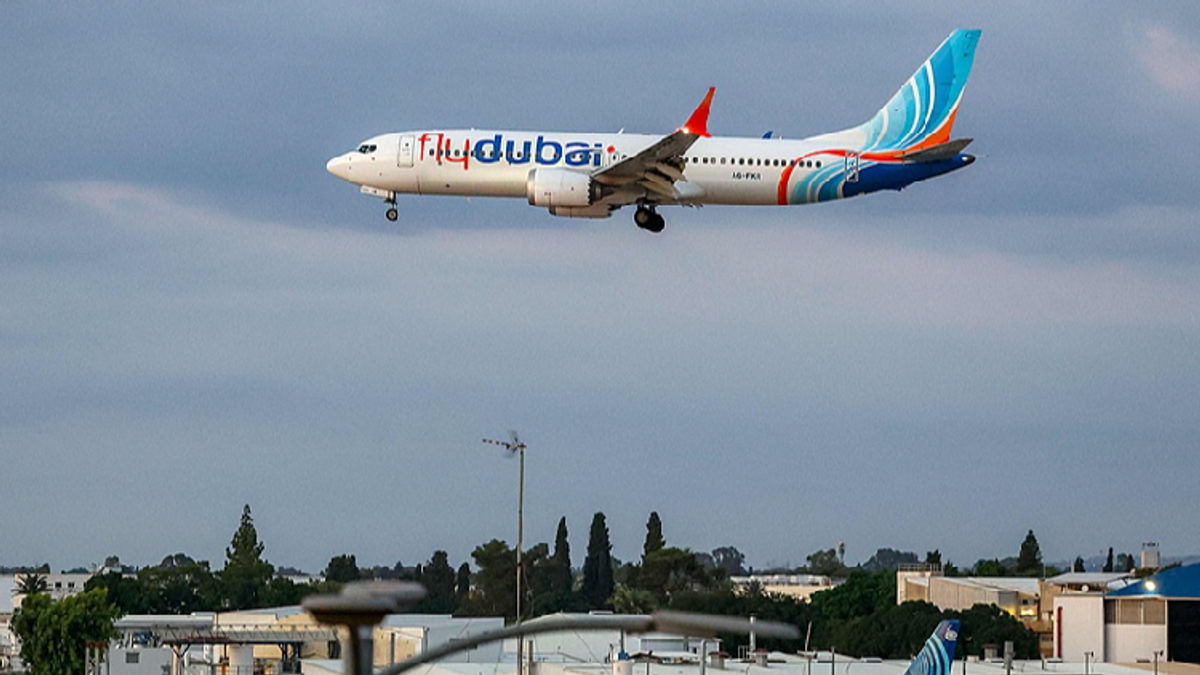
On a routine Flydubai flight, FZ1073, traveling from Dubai to Tel Aviv, an extraordinary act of violence unfolded in the cockpit. The co-pilot reportedly attacked Captain Smit Machchhar with a knife, forcing the aircraft into a sudden descent. Quick action by other crew members and passengers led to the attacker being overpowered, allowing the crew to regain control. The flight was subsequently diverted and landed safely in Tabuk, Saudi Arabia. In the immediate aftermath, Anwar Gargash, a presidential adviser for the United Arab Emirates (UAE), swiftly declared the incident a "terrorist act" on social media, praising Captain Machchhar's professionalism and courage in averting a potential disaster. The UAE attorney-general has since ordered an investigation to determine the full extent of the incident, including any links to broader terrorist activity.
The incident, though seemingly isolated, reverberates through the intricate power structures of the Middle East, particularly concerning the Abraham Accords. The very existence of a direct Dubai-Tel Aviv flight route is a testament to the diplomatic breakthrough of these accords, designed to foster economic and security cooperation between Israel and several Arab nations, including the UAE. An attack on this route, regardless of the perpetrator's specific motivations, immediately strikes at the symbolic heart of this normalization.
The UAE's swift designation of the event as a "terrorist act" is a calculated move. It serves to frame the incident as an external threat, rather than an internal security lapse or a symptom of deeper societal discontent. By labeling it as terrorism, the UAE aligns itself with international counter-terrorism efforts, potentially garnering global sympathy and cooperation. This narrative also allows the UAE to reinforce its image as a bulwark against extremism, a key component of its foreign policy and a selling point for its alliances with Western powers and Israel. It also provides a convenient justification for potential security crackdowns or enhanced surveillance, both domestically and within its aviation sector.
Saudi Arabia's role in this incident, though understated, is equally significant. The diversion and safe landing in Tabuk underscore a pragmatic, if not fully public, alignment between Riyadh and the Abraham Accords nations. While Saudi Arabia has yet to formally normalize relations with Israel, its willingness to provide emergency assistance to a flight connecting Dubai and Tel Aviv speaks volumes about the evolving regional security architecture. This quiet cooperation allows Saudi Arabia to project stability and regional leadership without overtly challenging its own domestic public opinion, which remains largely sympathetic to the Palestinian cause. It is a subtle demonstration of shared strategic interests, particularly in confronting perceived threats to regional stability, whether from state or non-state actors.
Furthermore, the incident exposes the inherent vulnerabilities of complex systems like international aviation, especially when intertwined with volatile geopolitical currents. The security of the cockpit, long considered the ultimate sanctuary, was breached. This raises fundamental questions about vetting processes for airline personnel, particularly in a region where political and ideological fault lines run deep. The reliance on highly skilled expatriate labor, such as the Indian Captain Smit Machchhar, also highlights the globalized nature of critical infrastructure and the diverse backgrounds of those entrusted with its safety. Any perceived threat, whether from an individual or a group, can quickly undermine confidence in these systems, impacting not just air travel but the broader economic and diplomatic ties they facilitate.
The immediate and most profound human cost of this incident falls upon the passengers and crew aboard Flydubai flight FZ1073. The sudden, violent descent, the struggle in the cockpit, and the palpable fear of an imminent disaster leave deep psychological scars. For many, air travel, once a routine part of modern life, will now be tinged with anxiety and a heightened sense of vulnerability. This is a direct assault on the peace of mind of ordinary citizens, who simply wish to travel safely between destinations.
The incident directly impacts the confidence in the Abraham Accords as a guarantor of regional stability. For those who embraced the new routes for business, tourism, or family visits, the attack introduces an element of fear and uncertainty. The promise of a new era of cooperation and prosperity feels less secure when such a fundamental act of violence can occur on a route meant to symbolize that peace. This erosion of trust can deter future engagement, slowing the very normalization the accords sought to accelerate.
The incident places immense psychological strain on aviation professionals, particularly pilots and cabin crew. They are on the front lines, bearing the responsibility for hundreds of lives, and are now acutely aware of the potential for internal threats. The heroism of Captain Machchhar is undeniable, but it underscores the extreme pressures and dangers these individuals face. For many, the cockpit is not just a workplace but a place of immense responsibility, and its violation is a deeply disturbing event that can lead to increased stress, burnout, and a re-evaluation of career choices within the industry.
While difficult to quantify immediately, there will be economic repercussions. Flydubai, and potentially other airlines operating similar routes, may face increased scrutiny, higher insurance premiums, and a temporary dip in passenger numbers. The cost of implementing enhanced security measures, both visible and covert, will inevitably be passed on to consumers. For the nascent tourism and business sectors that have grown around the Abraham Accords, any perceived instability can lead to cancelled trips, reduced investments, and a slower pace of economic integration, directly affecting livelihoods and opportunities for countless individuals.
Governments and official statements, particularly in the wake of such incidents, often craft narratives that serve specific political and security objectives. In this case, the UAE's swift labeling of the incident as a "terrorist act" is a powerful example of narrative control, potentially obscuring more nuanced realities.
The most glaring omission in the public discourse is the co-pilot's specific motives. While the "terrorist act" label is convenient, it is a broad brush. Was the co-pilot affiliated with a known terrorist organization, or was this an act of individual radicalization driven by personal grievances, political ideology, or even psychological instability? The rush to define the act as terrorism, while understandable from a security perspective, can bypass a deeper understanding of the factors that lead an individual to commit such an extreme act. Understanding the specific ideological or personal drivers could reveal vulnerabilities that go beyond conventional counter-terrorism strategies, perhaps pointing to unaddressed societal frustrations or the spread of extremist narratives through less conventional channels.
By immediately framing the incident as an external "terrorist act," the narrative subtly shifts focus away from potential internal security vulnerabilities within Flydubai or the UAE's aviation vetting processes. How did an individual with such intentions gain access to the cockpit of a commercial airliner? Were there red flags missed during background checks, psychological evaluations, or ongoing surveillance? The official emphasis on terrorism can inadvertently deflect scrutiny from systemic failures in personnel screening, training, or internal reporting mechanisms. A thorough investigation must not only look for external links but also critically assess the robustness of internal safeguards, a detail often downplayed by state actors keen to project an image of impregnable security.
While the Abraham Accords are celebrated as a diplomatic triumph, official narratives often downplay the significant opposition they face among segments of the Arab public, particularly those who view normalization with Israel as a betrayal of the Palestinian cause. This incident, occurring on a symbolic route, could be a stark reminder that diplomatic agreements forged at the state level do not automatically translate into widespread public acceptance or eradicate deeply held ideological convictions. The official narrative will likely emphasize the resilience of the accords, but the underlying resentment in some quarters remains an untold, or at least unacknowledged, story that could fuel future acts of defiance or violence.
Saudi Arabia's role in providing a safe landing for the distressed flight is a powerful, yet subtly managed, signal. It highlights the growing, albeit often unstated, security cooperation between Riyadh and the Abraham Accords signatories. By providing assistance without making grand political pronouncements, Saudi Arabia maintains its strategic flexibility. It supports regional stability and its allies like the UAE without having to directly confront domestic opposition to normalization with Israel. This calculated ambiguity is a key feature of Saudi foreign policy, allowing it to navigate complex regional alliances while managing internal sensitivities. The full extent of this behind-the-scenes cooperation is rarely disclosed, remaining a significant untold aspect of regional power dynamics.
In the coming weeks and months, several key developments will indicate the true impact and ongoing ramifications of this incident.
First, the findings of the UAE attorney-general's investigation will be crucial. Will the official report provide concrete evidence to substantiate the "terrorist act" designation, or will it reveal a more complex set of motives, perhaps pointing to individual pathology or grievances unrelated to organized terrorism? The level of transparency in this report will be a critical indicator of how governments intend to manage the narrative moving forward.
Second, observe any changes to aviation security protocols, particularly for flights operating on sensitive routes like Dubai-Tel Aviv. This could include enhanced crew vetting, stricter cockpit access procedures, or increased psychological screening for pilots and co-pilots. Any such changes, especially if implemented across multiple airlines or nations, would signal a broader recognition of new or underestimated threats within the aviation sector.
Third, monitor the public and diplomatic reactions from other regional actors. How will Iran, the Palestinian Authority, and other Arab states respond to the incident and the UAE's characterization of it? Their reactions could either reinforce existing geopolitical fault lines or, less likely, prompt a re-evaluation of regional security strategies.
Finally, pay close attention to the resilience of the Abraham Accords. Will this incident deter further normalization efforts, or will it paradoxically lead to even closer security cooperation between Israel and its Arab partners? The volume of air travel, business deals, and cultural exchanges on these routes will serve as a barometer for the lasting impact of this unsettling event on a fragile regional peace.
Source referenced: CGTN
This brief was synthesized by our Editorial Engine and reviewed by The Ground Narrative team.


