TRENDING

Monday, 5 October 2026
----------------------
24 Rabi' Al-Thani 1448 AH
Settlers and soldiers moved into West Bank orchards as the olive season began, preventing farmers from gathering their crop. The seizure jeopardizes the main source of income for tens of thousands of Palestinian families.
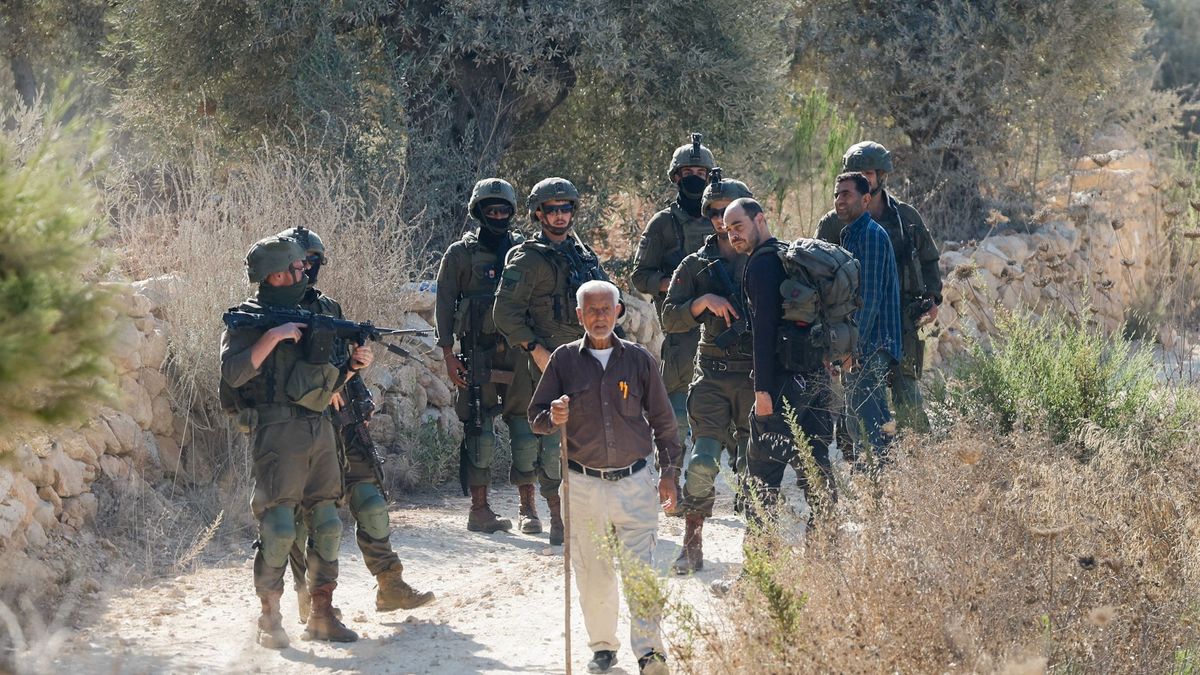
On 3 October 2026, groups of Israeli settlers accompanied by Israeli soldiers entered several Palestinian villages in the West Bank, physically blocking Palestinian farmers from accessing olive groves at the start of the annual harvest. Video footage shared on social media shows armed men setting up roadblocks, overturning pruning tools, and warning workers to stay away. The incident coincided with the peak of the olive picking period, a time when more than 80,000 Palestinian households depend on the fruit for seasonal cash flow and cultural rituals.
The clash is not an isolated outburst but a symptom of a layered power structure that has evolved over decades. First, the settlement enterprise operates under a dual logic of demographic entrenchment and economic extraction; each new outpost or expanded farm creates facts on the ground that complicate any future two‑state solution. Second, the Israeli Ministry of Defense routinely coordinates with settler groups, granting them de‑facto security umbrellas that blur the line between civilian and military authority. Third, the United States continues to fund Israel’s defense budget without attaching explicit conditions on settlement activity, effectively subsidising the capacity to enforce land grabs. Finally, the Palestinian Authority’s limited jurisdiction in Area C—where most of the olive groves sit—means it cannot legally intervene, leaving the local population dependent on informal community defense networks that lack firepower. These incentives intersect: settlers gain political capital by demonstrating “defensive” actions, the Israeli government signals resolve to its right‑wing base, and external allies avoid confronting a partner they view as strategically indispensable.
For a typical Palestinian farmer, the olive harvest represents roughly 30 % of annual household earnings. Missing a single season can push a family below the poverty line, forcing children to abandon school for low‑paid labor or migration to urban centers. The loss also ripples through ancillary businesses—oil presses, local markets, and transport services—all of which depend on a steady flow of fruit.
Beyond immediate income, the olive sector fuels a modest export market that supplies diaspora communities and specialty food producers abroad. When harvests are disrupted, export contracts are breached, and long‑term trade relationships erode, diminishing the West Bank’s bargaining power in broader economic negotiations.
Olive trees are woven into Palestinian identity, symbolising rootedness and resistance. The act of preventing harvest is therefore perceived not merely as an economic assault but as an attempt to sever cultural continuity. Reports from local NGOs indicate rising levels of anxiety and depression among farmers, especially elders who have tended the same groves for generations.
International law, including the Fourth Geneva Convention, classifies the transfer of an occupying power’s civilian population into occupied territory as illegal. Yet Israeli courts rarely entertain cases brought by Palestinian landowners against settler violence, citing “security concerns” or procedural hurdles. This selective enforcement creates a de‑facto legal vacuum that emboldens further encroachments.
Mainstream coverage often frames the incident as a “sporadic clash” or highlights the presence of soldiers without probing the underlying policy of settlement expansion. By focusing on isolated violence rather than systemic land appropriation, the narrative downplays the strategic intent behind the timing—coinciding with the harvest to maximize economic pressure.
While the United Nations and several human‑rights bodies have condemned settler attacks, concrete diplomatic action remains limited. Key allies prioritize security cooperation over human‑rights enforcement, allowing the status quo to persist while publicly reaffirming support for a negotiated peace.
The next few months will reveal whether the current blockade triggers a broader escalation or remains a localized deterrent. Watch for statements from the Israeli Ministry of Defense regarding “security operations” in Area C, as well as any shift in U.S. congressional hearings on settlement funding. Additionally, the upcoming Palestinian Authority elections could amplify calls for stronger protection of agricultural assets, potentially reshaping internal political dynamics. Finally, monitor the response of international NGOs; a coordinated legal campaign could force a re‑examination of the legal gaps that currently shield settler aggression.
Olive trees provide a reliable source of income, cultural identity, and food security. The annual harvest funds education, healthcare, and community projects, while the trees themselves symbolize ancestral ties to the land.
Palestinian landowners can file petitions in Israeli courts, appeal to the Israeli Supreme Court, or bring cases before the International Criminal Court. However, procedural barriers and limited enforcement often render these routes ineffective without external diplomatic pressure.
Source referenced: ALJAZEERA
This brief was synthesized by our Editorial Engine and reviewed by The Ground Narrative team.