TRENDING

Thursday, 22 October 2026
----------------------
11 Jumada Al-Awwal 1448 AH
A recent US strike on the Shalamcheh border crossing between Iran and Iraq, resulting in casualties, marks a significant escalation in the ongoing regional power struggle. This incident is part of a broader, sustained US military campaign targeting Iranian-linked assets, raising concerns about regional stability and Iraq's sovereignty.
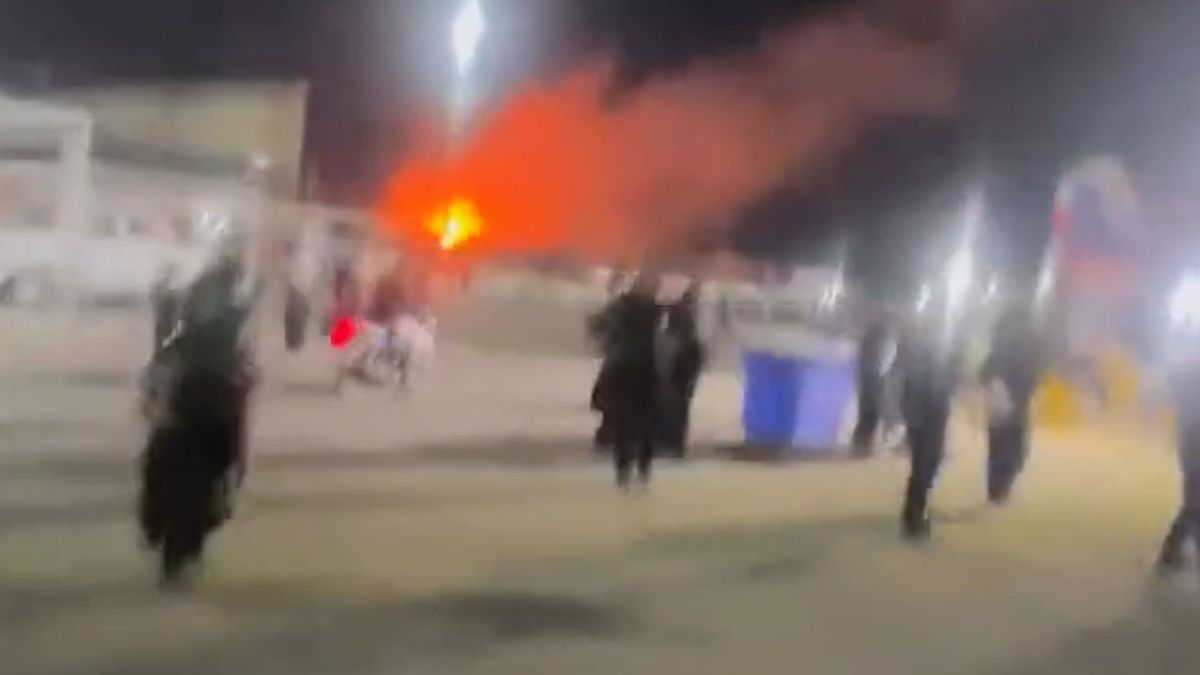
On July 23, 2026, a United States military strike targeted the Shalamcheh border crossing, a vital transit point between Iran and Iraq. The incident, reported by Iran's Mehr Agency, resulted in the deaths of two individuals and injuries to eleven others, causing panic among travelers present at the time. This strike is not an isolated event but rather occurred amidst what has been described as the "12th night" of US attacks targeting Iranian interests or proxies in the region, signaling a sustained and intensified military campaign.
The Shalamcheh crossing, located in Iraq's Basra Governorate, serves as a crucial artery for both legitimate trade and, potentially, the movement of personnel and materiel by Iranian-backed groups operating within Iraq and Syria. The decision by the United States to target such a sensitive location underscores a strategic intent to disrupt Iranian influence and logistical networks in the region. While the specific immediate trigger for this particular strike was not detailed in the initial reports, it aligns with a broader US policy aimed at deterring what it perceives as destabilizing Iranian activities and protecting its own forces and interests in the Middle East.
For years, the United States has maintained a military presence in Iraq, primarily focused on counter-terrorism operations and supporting Iraqi security forces. However, this presence has frequently been challenged by various Iranian-aligned militias, leading to a cycle of attacks and retaliatory strikes. The ongoing series of US actions suggests a shift towards a more assertive posture, potentially seeking to re-establish deterrence or degrade the capabilities of these groups more comprehensively. The approval of defense spending by the US House of Representatives, mentioned in the broader context, further indicates a legislative backing for continued military engagement in the region.
Iran, for its part, views its influence in Iraq as a critical component of its regional security doctrine, providing strategic depth and a counterweight to US and allied presence. The targeting of a border crossing directly impacting its connectivity with Iraq is likely to be perceived as a direct challenge to its strategic interests and could prompt a range of responses, from diplomatic condemnation to further support for proxy groups or even direct retaliatory actions.
The strike at Shalamcheh carries significant implications for regional stability, particularly for Iraq. As a sovereign nation, Iraq finds itself caught between the competing strategic interests of the United States and Iran. Repeated military actions on its soil, whether by the US or Iranian-backed groups, undermine its sovereignty, destabilize its internal security, and risk drawing it deeper into a broader regional conflict. The casualties reported at the border crossing highlight the humanitarian cost of such military engagements, impacting civilians and disrupting essential cross-border activities.
This escalation could further strain US-Iraq relations, potentially fueling calls for the withdrawal of US forces from Iraq. It also places immense pressure on the Iraqi government to navigate a precarious balance, maintaining ties with both Washington and Tehran while attempting to safeguard its own national interests and prevent its territory from becoming a perpetual battleground. The economic consequences of disrupted border crossings, vital for trade and local livelihoods, also add another layer of complexity to Iraq's challenges.
The sustained nature of US strikes against Iranian-linked targets signals a potentially prolonged period of heightened tensions in the Middle East. This dynamic could lead to a dangerous cycle of escalation, where each action by one party prompts a reaction from the other, increasing the risk of a wider, more direct confrontation. The international community will be closely watching for signs of de-escalation or, conversely, further intensification of hostilities.
Beyond the immediate conflict, these events underscore the ongoing geopolitical contest for influence in the Middle East. The US aims to curb Iran's regional power projection, while Iran seeks to solidify its 'axis of resistance' and challenge the existing regional order. The Shalamcheh incident, therefore, is not merely a localized military action but a critical data point in this larger, evolving strategic narrative. The future trajectory of this confrontation will depend on the diplomatic efforts, or lack thereof, to de-escalate tensions and the strategic calculations of all involved parties regarding the costs and benefits of continued military engagement.
Source referenced: ALJAZEERA
This brief was synthesized by our Editorial Engine and reviewed by The Ground Narrative team.


