TRENDING

Tuesday, 3 November 2026
----------------------
23 Jumada Al-Awwal 1448 AH
Diplomatic talks in Doha aim to halt a US‑Iran war, but military posturing and election politics threaten to derail the process. The real fallout will be felt by Gulf workers, global oil markets, and ordinary citizens caught between superpower games.
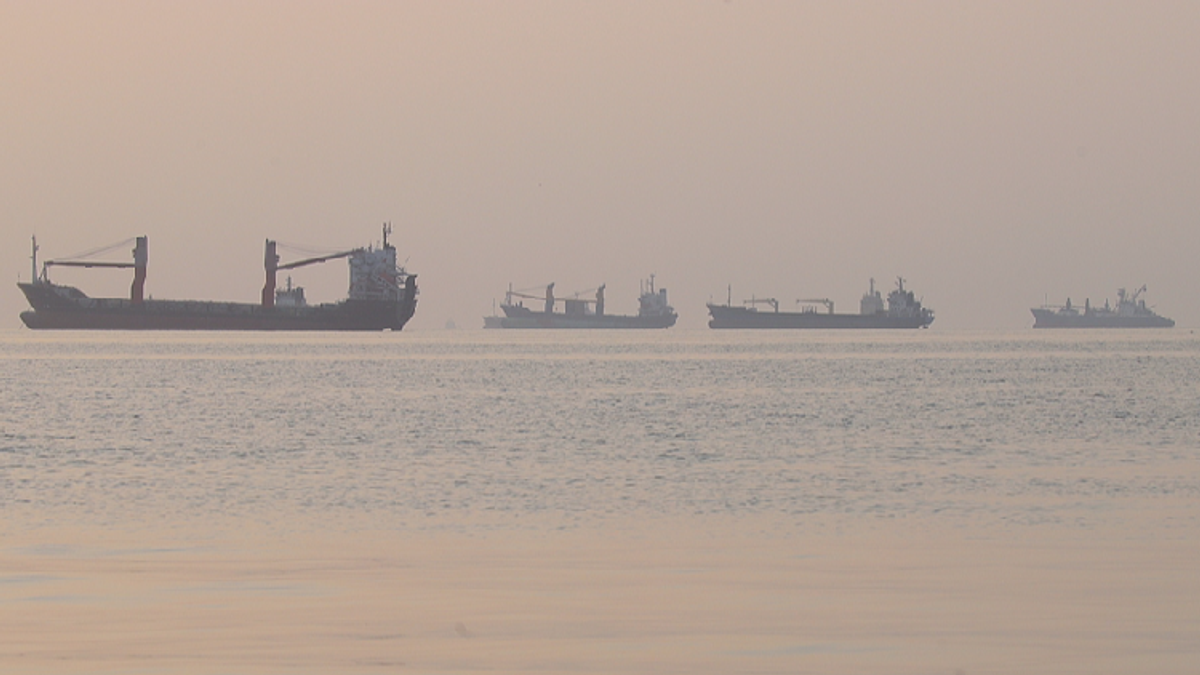
Iranian negotiators met Qatari mediators in Doha for a third day, pushing a two‑day proposal that could reopen the Strait of Hormuz within 48 hours of a US agreement. United States President Donald Trump claimed the talks were "going fine" while hinting at a few remaining targets, and a separate call with Israeli Prime Minister Benjamin Netanyahu revealed pressure to launch strikes after the US midterm elections. At the same time, the Iranian Revolutionary Guard Corps (IRGC) announced explosions on two oil tankers it said had strayed onto a mined route, underscoring the volatile mix of diplomacy and deterrence.
The negotiations sit at the intersection of three competing incentive structures. First, Donald Trump faces a domestic political calculus: a perceived foreign‑policy win could buoy his party’s prospects in the November midterms, while a misstep could fuel anti‑war sentiment among swing voters. Second, Qatar leverages its role as a mediator to preserve its status as a regional broker, extracting economic and diplomatic capital from both Tehran and Washington. Third, the IRGC and Supreme Leader Mojtaba Khamenei use the threat of expanded naval mining to signal resolve, deter a US‑led strike, and rally domestic support by framing the conflict as a defense of national sovereignty. The United States, meanwhile, balances the desire to project strength—by briefing military commanders on a rapid campaign and warning Gulf allies—against the risk of a costly, protracted war that would strain defense budgets and global oil markets. Each actor’s survival hinges on controlling the narrative: diplomatic progress must appear credible, while military options remain credible enough to keep the opponent in check.
- Shipping workers in the Strait of Hormuz face daily danger. Mine‑triggered explosions have already forced vessels to reroute, inflating fuel costs and extending voyages, which translates into higher freight rates for exporters and importers worldwide.
- Gulf fishermen and coastal communities see their livelihoods eroded as naval activity restricts access to traditional fishing grounds. The loss of seasonal catches pushes families toward urban migration or informal labor, deepening socioeconomic strain.
- Iranian civilians bear the psychological toll of living under heightened alert. Air‑raid sirens, increased militia recruitment drives, and the looming possibility of a full‑scale invasion generate pervasive anxiety, especially in border provinces where clashes could spill over.
- Global consumers are not immune. A disruption of even a few percent of the daily 20 million barrels that transit the strait can trigger price spikes, squeezing household budgets from Detroit to Delhi.
Official statements from Washington stress "diplomacy over force," yet internal briefings reveal contingency plans for a "brief but intense" campaign. This duality allows the administration to maintain a public peace narrative while keeping the military option on the table, a nuance rarely highlighted in mainstream coverage.
Western outlets often label the IRGC’s actions as "terrorist" or "illegal," downplaying the strategic logic behind mining a chokepoint that has long been a lever of Iranian leverage. By omitting the historical context—Iran’s use of the strait to negotiate during the 2015 nuclear deal—the narrative simplifies a complex deterrence calculus.
The cost of a potential conflict—estimated in the trillions when factoring in oil market volatility, reconstruction, and long‑term military commitments—is rarely quantified in campaign rhetoric. Voters are left without a clear picture of how a war would affect public services, pension funds, or tax burdens.
The next two weeks will crystallize the trajectory of the talks. Key indicators include: (1) any formal release of the two‑day proposal from Doha, which would signal a concrete diplomatic pathway; (2) movements of US naval assets near the Strait of Hormuz, especially carrier strike groups that could serve as a pressure lever; and (3) the outcome of the US midterm elections, which will reshape congressional oversight of any future military action. Observers should also monitor regional allies—Saudi Arabia, the United Arab Emirates, and Oman—for shifts in their public stances, as their cooperation or opposition could tip the balance between a negotiated settlement and an escalated confrontation.
It is a draft plan that would reopen the Strait of Hormuz within 48 hours of a US‑Iran agreement, linking a cease‑fire to the resumption of commercial shipping.
A strong showing for the president’s party could embolden a hard‑line stance, while a loss might force a more cautious approach to avoid domestic backlash over a war.
Source referenced: CGTN
This brief was synthesized by our Editorial Engine and reviewed by The Ground Narrative team.