TRENDING

Tuesday, 3 November 2026
----------------------
23 Jumada Al-Awwal 1448 AH
A potential restart of hostilities with Iran would force the United States to spend billions and deplete critical weapons. Ordinary citizens and Gulf partners would bear the fallout while political leaders gamble with power.
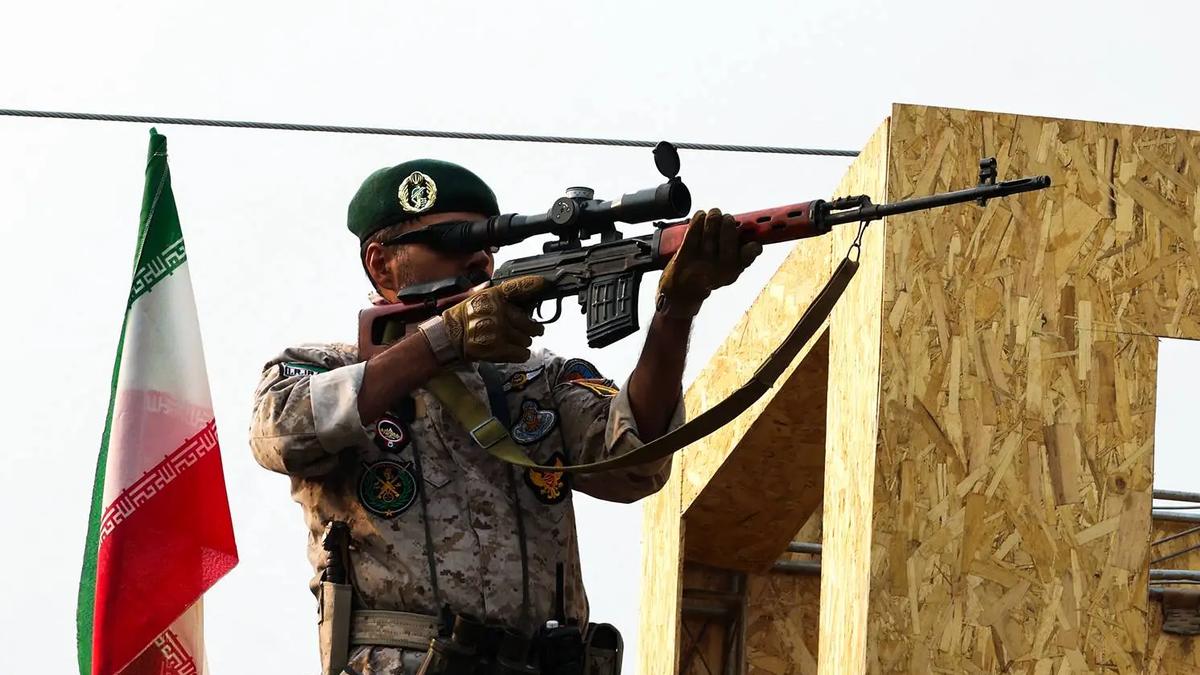
The United States, under Donald Trump, is weighing a fresh military campaign against Iran after the November 2026 midterm elections. Diplomatic overtures have stalled, and Tehran’s demand for a full lift of U.S. sanctions remains non‑negotiable. At the same time, the Pentagon reports that key missile interceptors and cruise‑missile inventories have been slashed by more than half during the current conflict, raising doubts about long‑term readiness.
Trump’s post‑election posture is shaped by a need to demonstrate decisive leadership to his base. A renewed strike offers a clear, dramatic narrative that can rally supporters and distract from domestic challenges such as inflation and crime. The timing also aligns with a congressional shift that could make funding for a new war more attainable, especially if senior lawmakers see a strategic advantage in a hard‑line stance.
The U.S. military entered the current Iran confrontation with a sizable presence: over 50,000 troops, two carrier strike groups, and a network of bases across the Gulf. However, the war has already consumed roughly 65% of Patriot interceptors and 80% of THAAD batteries, while Tomahawk cruise missiles have dropped from 3,000 to 2,000 units. The loss of a quarter of the MQ‑9 Reaper fleet further erodes the United States’ ability to conduct persistent surveillance and precision strikes. Replenishing these stocks will require years of production and budgetary commitments, diverting funds from other theaters such as the Indo‑Pacific.
Gulf allies, particularly Saudi Arabia and the United Arab Emirates, have been urged to prepare for a short, intense campaign targeting Iranian nuclear facilities. Their cooperation is essential for forward basing and air‑refueling, yet the same partners fear that a protracted conflict could destabilize oil markets and invite retaliatory attacks on their own infrastructure. Israel, a long‑standing U.S. partner, stands ready to contribute intelligence and strike capabilities, but its involvement also raises the risk of escalation beyond the immediate Iran‑U.S. axis.
Iran’s demand for a total sanctions lift is a high‑price bargaining chip. While lifting sanctions could unlock billions of dollars in Iranian oil revenue, it would also reward a regime that has repeatedly challenged U.S. naval freedom in the Strait of Hormuz. The United States must weigh the short‑term diplomatic gain of ending hostilities against the long‑term strategic cost of empowering Tehran’s economy and its proxy networks across the Middle East.
The war has already cost U.S. taxpayers an estimated $47.1 billion, a figure that will climb sharply if a new campaign is launched. Service members face heightened risk of injury or death as they operate from more distant bases, requiring longer sorties and increased tanker support. The strain on families back home intensifies as deployments extend and casualty rates rise.
Iranian cities have endured thousands of strikes on both military and civilian targets. Even if the U.S. limits its focus to nuclear sites, the collateral damage to hospitals, schools, and water treatment facilities is likely to increase. Disruption of the Strait of Hormuz could also choke global oil supplies, driving up fuel prices worldwide and disproportionately affecting low‑income households.
Countries like Kuwait, Bahrain, and Qatar host large numbers of expatriate workers who depend on stable oil revenues. A renewed conflict threatens to curtail shipments, depress export earnings, and trigger layoffs in sectors ranging from construction to hospitality. The ripple effect would be felt by migrant laborers who already navigate precarious legal and social conditions.
Official statements emphasize short‑term surge capacity, but they downplay a growing backlog of ship repairs and aircraft overhauls postponed to fund ongoing operations. Deferred maintenance reduces the fleet’s operational lifespan and forces the Navy to rely on older, less efficient vessels, raising the probability of mechanical failures during high‑intensity missions.
Defense contractors stand to profit from a new war through accelerated procurement of missiles, drones, and spare parts. While lobbying disclosures note increased engagement with congressional committees, the broader public narrative rarely connects rising defense budgets to private sector windfalls. This omission obscures a key driver behind the push for renewed kinetic action.
U.S. officials and sympathetic outlets frequently portray Tehran as the sole provocateur, emphasizing its missile launches and threats to oil infrastructure. Less attention is given to the United States’ own role in sustaining sanctions that have crippled Iran’s economy and fueled anti‑U.S. sentiment. The asymmetry in coverage helps sustain public support for a hardline approach while muting debate over alternative diplomatic pathways.
- Midterm election outcomes: Shifts in House and Senate composition will determine funding authorizations for any new campaign and could either empower or constrain Trump’s options.
- Stockpile replenishment reports: Quarterly Pentagon updates on Patriot, THAAD, and Tomahawk inventories will signal whether the United States can sustain a second round of strikes without compromising other theaters.
- Gulf state readiness drills: Joint exercises announced by Saudi Arabia, the UAE, and Israel will reveal how quickly regional partners can mobilize in response to a U.S. escalation.
- Iranian proxy activity: Increases in attacks on shipping in the Gulf of Oman or on U.S. bases in Iraq and Syria would indicate Tehran’s willingness to broaden the conflict beyond direct missile exchanges.
- Energy market volatility: Sharp spikes in Brent crude or disruptions in the Strait of Hormuz will affect global inflation and could pressure policymakers to seek a rapid de‑escalation.
By tracking these indicators, ordinary citizens can gauge whether the gamble on war is being driven by strategic necessity or by political calculus that places abstract power ahead of tangible human costs.
The United States has used about 65% of its Patriot interceptors, 80% of THAAD batteries, and reduced its Tomahawk cruise‑missile stock from roughly 3,000 to 2,000 units. It has also lost around a quarter of its MQ‑9 Reaper drones.
Escalation could disrupt traffic through the Strait of Hormuz, a chokepoint for roughly a fifth of world oil trade. Any interruption would likely trigger sharp price spikes, raising fuel costs for consumers worldwide.
Editor's Note: Analysis based on publicly available defense assessments and expert commentary; exact stockpile numbers may vary.
Source referenced: FOREIGNPOLICY
This brief was synthesized by our Editorial Engine and reviewed by The Ground Narrative team.