TRENDING

Tuesday, 3 November 2026
----------------------
23 Jumada Al-Awwal 1448 AH
The United Nations has ended its decades-long peacekeeping mission in Western Sahara after the United States and Russia blocked its mandate extension, raising fears of renewed conflict in the disputed territory. This decision leaves the future of the Sahrawi people uncertain, caught between Morocco's sovereignty claims and the Polisario Front's push for self-determination.
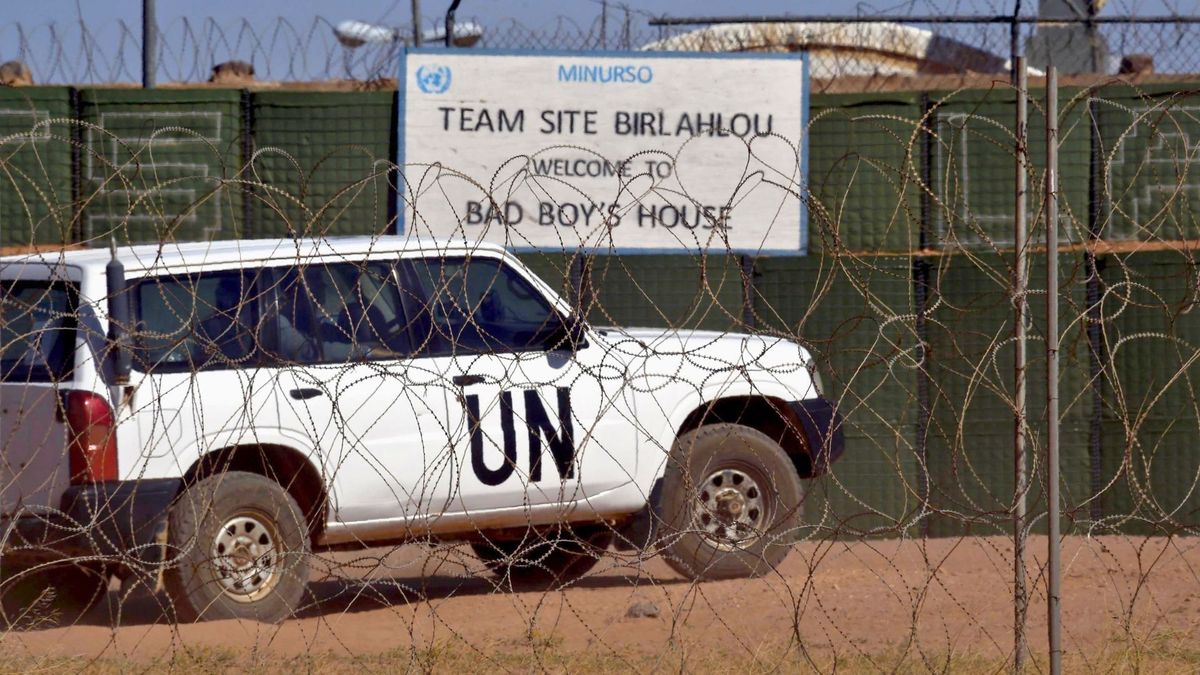
The United Nations peacekeeping mission (MINURSO) in Western Sahara, a force established in the early 1990s to monitor a ceasefire and prepare for a referendum on self-determination, recently concluded its mandate without renewal. This significant development arose from the United States and Russia blocking proposals to extend the mission within the UN Security Council, effectively withdrawing the international community's primary on-the-ground mechanism for monitoring the fragile peace. The decision has immediately reignited concerns about the stability of the region, which has been in dispute since the end of Spanish colonial rule over 50 years ago. On one side, Morocco asserts full sovereignty over the territory, viewing it as an integral part of its kingdom. On the other, the Polisario Front, representing the indigenous Sahrawi people, advocates for their right to self-determination, as originally envisioned by the UN settlement plan.
The cessation of the MINURSO mission is not an isolated event but a clear manifestation of shifting power dynamics and entrenched national interests. Each major actor in this decades-long dispute operates from a position driven by political survival, economic ambition, and strategic alliances.
Morocco's Unwavering Claim: For Rabat, Western Sahara is not a disputed territory but its
Source referenced: ALJAZEERA
This brief was synthesized by our Editorial Engine and reviewed by The Ground Narrative team.