TRENDING

Tuesday, 3 November 2026
----------------------
23 Jumada Al-Awwal 1448 AH
At 81, Brazilian President Luiz Inácio Lula da Silva has secured another term, but his age immediately shifts focus to the urgent need for a viable successor. This challenge forces Lula to confront a political strategy that historically stifled rivals, now risking the future of Brazil's left.
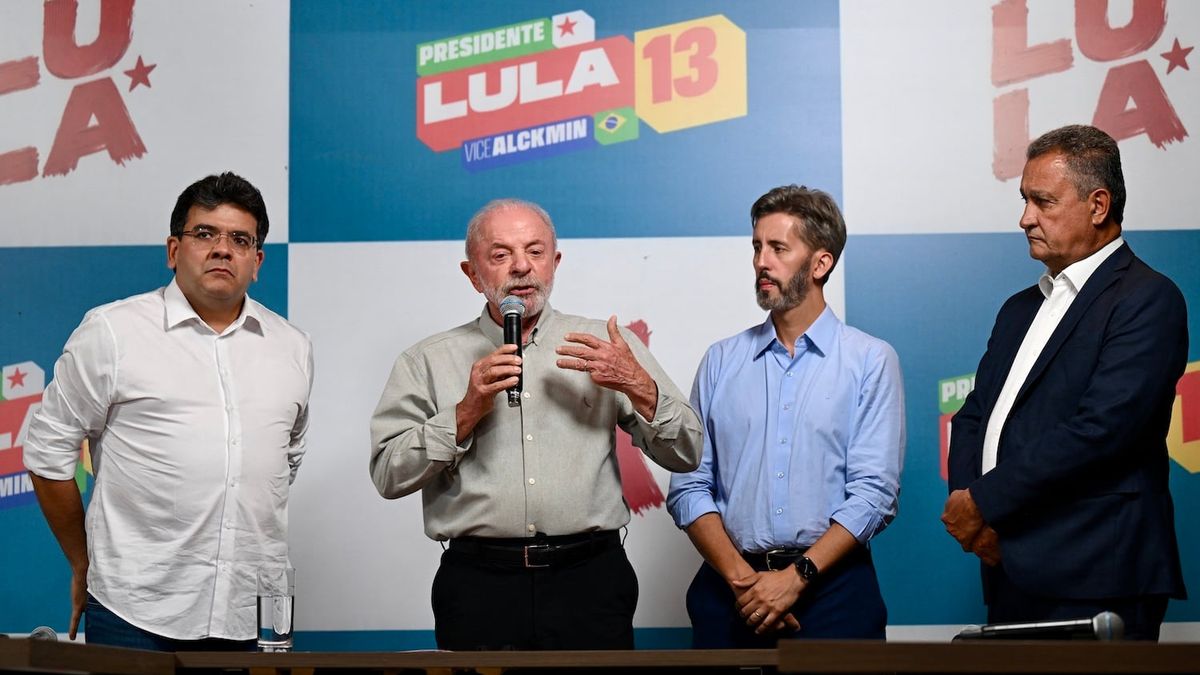
Brazilian President Luiz Inácio Lula da Silva, at 81 years old, has clinched a significant re-election victory, securing his fourth term in office. This triumph comes after a contentious period, including a prior corruption conviction that was later annulled, and a narrow win against Jair Bolsonaro in 2022. His most recent opponent, Senator Flávio Bolsonaro, son of the former president, has since fled to the United States amidst criminal investigations, declaring himself the “leader of Brazil” from abroad. While Flávio Bolsonaro’s departure marks a shift for the Brazilian right, the immediate and more pressing concern for the country is the future of its left, as Lula’s advanced age makes the question of his succession paramount.
Lula’s political resilience and longevity are almost unparalleled in modern democratic politics. His career spans four decades, marked by an extraordinary ability to adapt, build broad coalitions, and consistently return to lead the left. This power, however, is a double-edged sword. Throughout his career, Lula has employed a consistent strategy: contain and weaken potential rivals, then bring them or their allies back into the fold. This approach, while ensuring his own dominance and the Workers' Party (PT)'s centrality, has inadvertently created a significant power vacuum behind him.
The PT’s reliance on Lula is almost absolute. Figures like Marina Silva and Ciro Gomes, who attempted to forge independent paths on the left, were systematically undermined by the party machine, only to be reabsorbed or sidelined. Fernando Haddad, long considered a potential successor, has suffered multiple electoral defeats, diminishing his national viability. This historical pattern means that as Lula enters what is likely his most challenging term, the left lacks a nationally recognized and tested leader capable of stepping into his shoes.
Adding to this internal challenge are formidable external constraints. Lula’s new administration faces a deeply divided and often hostile Congress, where the Bolsonaro-backed Liberal Party holds the largest caucuses in both the Chamber of Deputies and the Senate. This legislative gridlock will severely impede his ability to pass key priorities and confirm judicial appointments, eroding his executive power from day one. Economically, Brazil is in a precarious position. The International Monetary Fund projects a fiscal deficit close to 8 percent of GDP, with public debt exceeding 80 percent by the central bank’s measure. This leaves minimal room for the extensive social spending increases Lula promised during his campaign, setting the stage for potential public disappointment and rejection.
Global economic headwinds further complicate the picture. Persistent U.S. tariffs on Brazil, coupled with oil prices climbing above $115 a barrel due to threats in the Strait of Hormuz, are feeding inflation across Latin America. These factors create an environment where Lula, as an incumbent, will likely face high public rejection rates without the traditional
Source referenced: FOREIGNPOLICY
This brief was synthesized by our Editorial Engine and reviewed by The Ground Narrative team.


