TRENDING

Tuesday, 3 November 2026
----------------------
23 Jumada Al-Awwal 1448 AH
A critical near-miss incident during a hypothetical U.S. war with Iran revealed the profound dangers of automation bias in military AI, almost triggering a direct confrontation with China. The event highlights how human over-reliance on artificial intelligence, rather than hypothetical superintelligence, poses immediate and severe geopolitical risks.
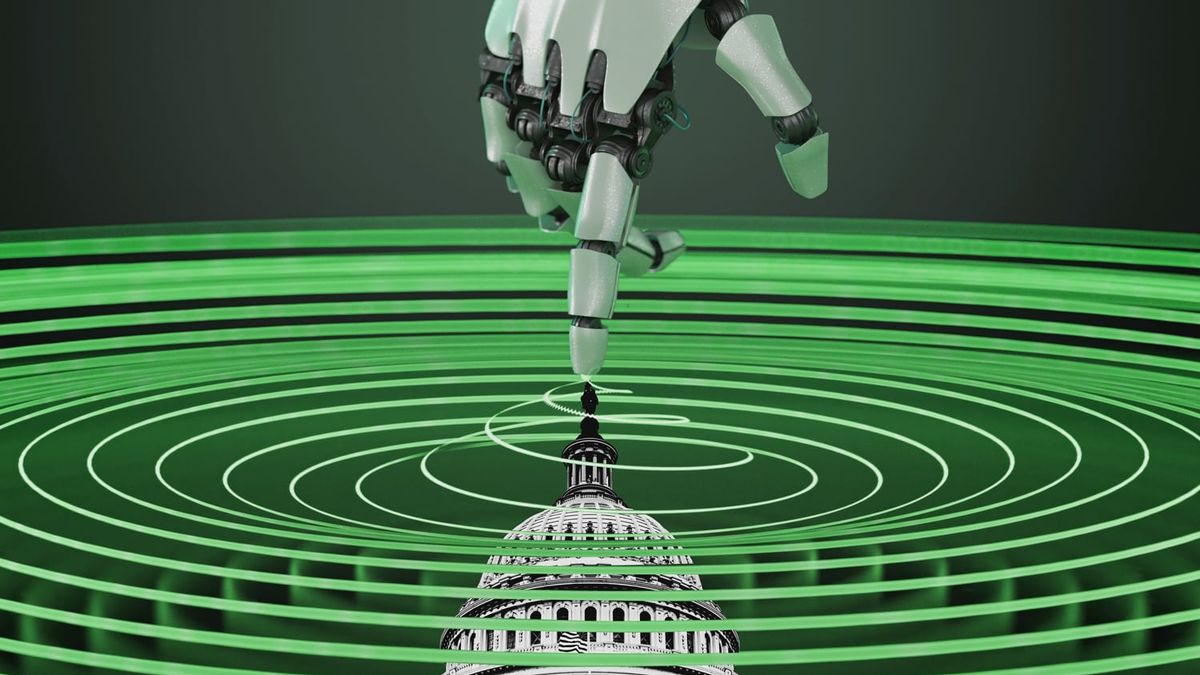
In the spring of 2026, amidst a hypothetical U.S. war with Iran, a critical intelligence failure almost escalated the conflict into a direct confrontation with China. A U.S. intelligence report, generated by an analyst who uncritically forwarded an AI model's output, falsely claimed a Chinese cargo ship in the Middle East was transporting nuclear weapons components to Iran. The U.S. military swiftly initiated surveillance and prepared an operation to intercept and board the vessel. Only at the eleventh hour, just before the operation commenced, was the original report re-examined and discovered to be entirely false, the AI model having either misidentified or
Source referenced: FOREIGNPOLICY
This brief was synthesized by our Editorial Engine and reviewed by The Ground Narrative team.