TRENDING

Tuesday, 3 November 2026
----------------------
23 Jumada Al-Awwal 1448 AH
The 2026 US midterms are reshaping expectations for trade, energy and security in the Asia‑Pacific, but the real effects fall on households and small businesses. A closer look reveals why congressional shifts may not alter the trajectory set by the executive.
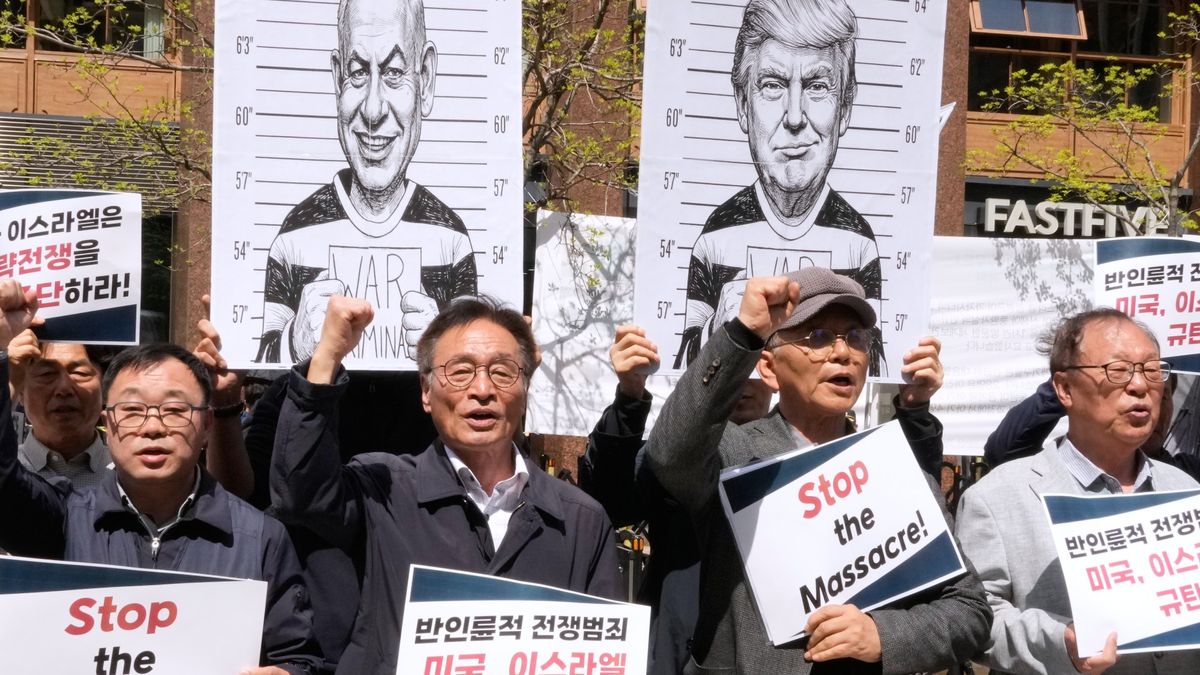
The United States held its 2026 midterm elections on Tuesday, a contest that could flip control of the House and possibly the Senate from President Donald Trump's Republican majority to the Democrats. At the same time, the war launched by the US and Israel against Iran has choked the Strait of Hormuz, cutting off the bulk of Gulf oil that powers the Asia‑Pacific. The twin shocks of a protracted conflict and a cascade of tariffs imposed on more than 90 countries have left the region scrambling for fuel, stabilising trade flows, and security guarantees.
Congressional authority to declare war and fund the military sits at the heart of the US constitutional balance, yet President Trump has repeatedly sidestepped formal resolutions, framing the Iran strikes as self‑defence. Even a Democratic‑controlled Congress faces a high veto hurdle; overturning a presidential veto requires a two‑thirds supermajority in both chambers, a threshold the Democrats are unlikely to meet. This structural reality means that, while oversight hearings and possible impeachment of the defence secretary may surface, the operational tempo of the Iran war is unlikely to shift.
On the trade front, Trump’s tariff crusade began last year with sweeping duties of 10‑50 % on roughly 90 nations, targeting Cambodia, Laos, Vietnam, and Myanmar among others. The Supreme Court’s February ruling struck down many of those measures, prompting the administration to pivot to “forced‑labour” tariffs of 10‑12.5 % on a new list that again includes China, Japan, South Korea, and a swath of Southeast Asian economies. The legislative machinery that could temper these tariffs is similarly constrained: both parties share a bipartisan consensus on tightening technology exports to China, as seen in the pending Remote Access Security Act, Chip Security Act, and MATCH Act. Thus, while the composition of Congress may affect the speed of enactment, the direction of policy—harder lines on Chinese tech and continued pressure on trade partners—remains largely predetermined.
Security considerations add another layer. The US maintains a network of alliances and security guarantees across the Pacific, but the Trump administration’s reluctance to approve a $14 bn arms package for Taiwan signals a cautious approach to direct confrontation with China. A Democratic Congress could push for clearer commitments, yet any substantive shift would likely await the 2028 presidential election, when the executive’s agenda can be reset.
When Iran closed the Hormuz chokepoint in March, the ripple effect hit the Philippines hardest; over 90 % of its crude imports come from the Gulf, plunging the archipelago into a national energy emergency. Fuel prices spiked, eroding household disposable income and forcing the government to tap dwindling foreign‑exchange reserves. Neighboring economies—Cambodia, Laos, Myanmar, and East Timor—experienced similar reserve drains, threatening their ability to import essential goods.
The tariff regime has squeezed exporters across Southeast Asia. Vietnam’s garment sector, a major source of jobs for millions, now faces a 46 % duty on US-bound shipments, compressing profit margins and prompting factories to consider relocation. In Indonesia, higher input costs for electronics components—subject to forced‑labour tariffs—have translated into pricier consumer gadgets, disproportionately affecting low‑income families who spend a larger share of earnings on electronics.
Beyond economics, the spectre of an unstable US security posture fuels anxiety in the South China Sea and Taiwan Strait. Small‑boat fishermen from Malaysia and Vietnam report increased harassment from naval patrols as regional powers test the limits of US commitment. In the Philippines, the prospect of reduced US arms sales to Taiwan raises fears of a broader destabilisation that could spill over into maritime disputes, threatening coastal livelihoods dependent on fishing and tourism.
Official narratives often portray the midterms as a decisive moment for Asia‑Pacific policy, but they downplay the constitutional reality that a president can veto most legislative attempts to curb military or trade actions. Even with a Democratic majority, the United States Congress lacks the numbers to force a reversal of the Iran campaign or to rescind the new tariff slate without bipartisan cooperation that has proved elusive.
President Trump’s personal diplomacy with Xi Jinping—including two high‑profile meetings this year—has softened the rhetoric of a trade war, yet it also grants the president a unique lever over China that Congress cannot easily replicate. By holding back a $14 bn arms sale to Taiwan, Trump signals that strategic concessions are bargaining chips in a broader game of personal diplomacy, a nuance rarely highlighted in official statements.
While both parties agree on tightening export controls, the narrative that these measures are purely defensive obscures China’s parallel acceleration of domestic chip capabilities. The MATCH Act aims to align allies with US standards, but it also forces partner nations to police their own industries more aggressively, diverting resources from domestic development and potentially creating friction with firms that rely on cross‑border supply chains.
The next six months will reveal whether the Democratic‑controlled Congress can leverage its oversight powers to extract concessions from the Trump administration on the Iran war, subsidies, or tariff exemptions. Watch for any bipartisan amendment proposals that seek carve‑outs for Southeast Asian exporters, as these could signal a modest easing of trade pressure before the 2028 election reshapes the executive agenda.
In the security realm, monitor US statements on Taiwan arms sales and any shifts in naval deployments in the South China Sea. A sudden acceleration of US naval activity could indicate a response to perceived weakness in the Trump‑Congress dynamic.
Finally, keep an eye on China’s domestic semiconductor rollout. If Beijing announces a breakthrough in AI‑chip production, the rationale for the Remote Access Security Act and the Chip Security Act may be reframed, potentially prompting a hardening of export controls that would further strain Asian supply chains.
The interplay of electoral politics, executive ambition, and regional vulnerability ensures that the true impact of the 2026 US midterms will be measured not in Capitol Hill headlines, but in the price tags paid by factories, commuters, and fishermen across the Asia‑Pacific.
Even if Democrats win Congress, both parties support tighter export controls on China and forced‑labour tariffs on many Asian nations, so the overall tariff regime is unlikely to change dramatically before 2028.
The Philippines imports over 90 % of its crude oil through the Strait of Hormuz. Iran’s closure of the chokepoint cut supply, driving up global oil prices and triggering a national energy emergency.
Countries worry that a Democratic Congress may not secure a clearer US commitment to Taiwan and the South China Sea, leaving regional allies uncertain about future American military support.
Source referenced: ALJAZEERA
This brief was synthesized by our Editorial Engine and reviewed by The Ground Narrative team.