TRENDING

Tuesday, 3 November 2026
----------------------
23 Jumada Al-Awwal 1448 AH
President Donald Trump spent his final midterm rally talking about capital renovations while polls point to Democratic gains. The article breaks down the power dynamics, the hidden human toll, and what comes next.
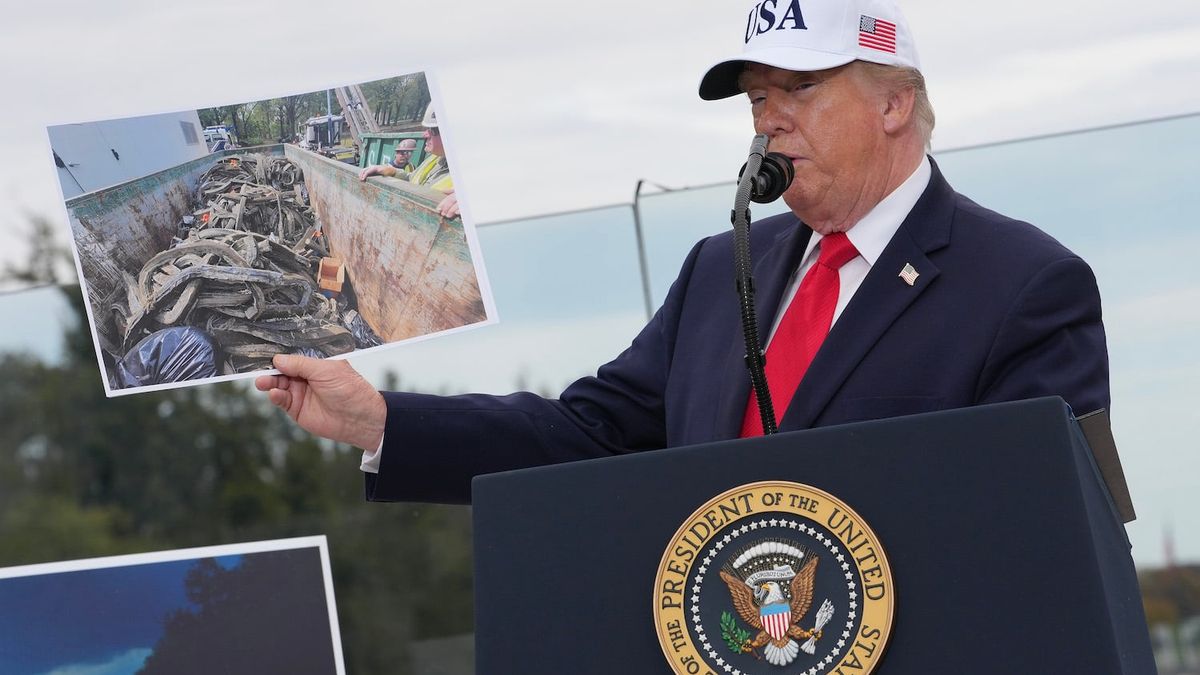
President Donald Trump delivered a closing campaign address on November 2 at the Lincoln Memorial Reflecting Pool. The speech, billed as a rally for Republican candidates, veered into a detailed description of ongoing repairs to the monument’s topsoil, limestone, and algae control, while briefly touching on immigration, taxes, and a cryptic warning about "jihadist" lawmakers. Polls released the same day projected Democratic control of the House and a possible Senate pickup, suggesting a significant setback for the MAGA movement. Meanwhile, the administration continued to pursue legal challenges to mail‑in ballots and hinted at pre‑emptive pardons for allies such as Elon Musk.
Control of Congress determines who can block or advance the president’s foreign‑policy agenda. A Democratic majority would enable hearings into the Iran war, cut additional military funding, and potentially stall nominations for national‑security posts. For Trump, retaining a Republican‑controlled Congress is a matter of preserving legislative cover for his aggressive posture toward Iran and other adversaries.
By foregrounding the Reflecting Pool renovation, the president shifts public attention from rising fuel prices, inflation, and a $2,000 increase in average household costs linked to the eight‑month U.S.–Iran conflict. The narrative reframes a tangible, visual project as a symbol of national pride, hoping to rally a base that values patriotic imagery over economic hardship.
The speech also serves as a warning to foreign actors. By mentioning a “hammer” for Iran and refusing to rule out future strikes, Trump signals continuity in a costly war that has already strained global oil markets. Simultaneously, the administration’s request to the Supreme Court to block 20,000 California mail‑in ballots projects an image of electoral vigilance to supporters, while sowing doubt among opponents.
Republican leaders attempted to distance themselves from the president’s Iran stance, emphasizing traditional conservative themes like immigration enforcement and tax cuts. This split reflects a broader struggle within the GOP: whether to double‑down on Trump’s hard‑line foreign policy or to adopt a more moderate platform that could appeal to swing voters.
Economists at Moody’s Analytics estimate that the Iran war has added roughly $2,000 to the annual cost of living for the average U.S. family, amounting to a collective $265 billion burden. Higher gasoline prices, disrupted supply chains for batteries, medical supplies, and sulfur have translated into steeper grocery bills and reduced disposable income for middle‑class workers.
Continued combat operations require sustained troop deployments, increasing the risk of casualties and long‑term health issues for service members. Families of deployed soldiers face prolonged separations and the psychological toll of an indefinite conflict.
The war has pressured global oil markets, pushing prices upward and affecting import‑dependent economies worldwide. Nations in Europe and Asia are grappling with higher energy costs, which feed into inflation and erode real wages for ordinary citizens.
Immigrant communities, particularly those from Muslim‑majority countries, are targeted by the president’s rhetoric about “jihadist” lawmakers. This language fuels discrimination, heightens hate‑crime risks, and pressures local law‑enforcement resources.
While public statements focus on patriotic restoration, internal budget documents reveal that the Reflecting Pool project is a low‑cost, high‑visibility venture designed to distract from the multi‑billion‑dollar war budget. The allocation of funds to symbolic projects masks the scale of defense spending that fuels the conflict.
Mainstream outlets have largely reported the speech’s odd focus on construction details, but few have connected it to the broader strategy of deflecting economic grievances. State‑aligned media in Iran and allied Gulf states amplify the president’s threats, reinforcing a narrative of inevitable escalation that benefits arms manufacturers.
Defense contractors, such as Lockheed Martin and Raytheon, stand to gain from continued funding for Patriot interceptors and other weaponry destined for Ukraine and the Middle East. Simultaneously, the SpaceX controversy over Starlink access to Ukraine highlights how tech giants can become political pawns in the administration’s leverage games.
The Supreme Court petition to block mail‑in ballots is framed as protecting election integrity, yet it also serves to suppress voter turnout in key swing states where Democratic margins are tightening. This legal pressure point is rarely discussed in mainstream coverage.
- Midterm outcomes: Whether Democrats secure a Senate majority will dictate the pace of congressional investigations into the Iran war and the president’s nominees.
- Iranian diplomatic moves: Tehran’s seven‑step proposal and any subsequent U.S. response could reshape the conflict’s trajectory, especially if a cease‑fire materializes before the election.
- Defense spending trends: Watch for budget proposals that either expand or curtail funding for Patriot systems and other Middle‑East‑focused weaponry.
- Legal challenges to voting: Follow court rulings on the California mail‑in ballot block and any similar actions in other states, as they will affect voter participation.
- Public sentiment on infrastructure vs. war: Polls on the Reflecting Pool narrative versus economic concerns will reveal how effective the distraction strategy is.
The coming weeks will test whether symbolic gestures can outweigh concrete economic pain in the eyes of voters, and whether the power structures behind the speech can sustain a costly foreign adventure without broader public consent.
Trump highlighted the ongoing renovation of the Lincoln Memorial Reflecting Pool, warned about alleged jihadist lawmakers, and reiterated typical Republican themes on immigration and taxes while downplaying the Iran war.
A Democratic majority in Congress could block further war funding, launch investigations into the conflict’s costs, and push for diplomatic solutions, potentially curbing the administration’s aggressive posture.
Editor's Note: Analysis based on publicly available polling, economic data, and official statements up to November 2026.
Source referenced: FOREIGNPOLICY
This brief was synthesized by our Editorial Engine and reviewed by The Ground Narrative team.


