TRENDING

Tuesday, 27 October 2026
----------------------
16 Jumada Al-Awwal 1448 AH
Pakistan's Prime Minister Shehbaz Sharif announced that the US and Iran have agreed on a framework for a peace deal, with an expected signing within 24 hours. The deal aims to reopen the Strait of Hormuz, lift the US naval blockade on Iranian ports, and address Iran's nuclear program.
The recent announcement by Pakistan's Prime Minister Shehbaz Sharif that the US and Iran have agreed on a framework for a peace deal marks a significant development in the region. The deal, which is expected to be signed within 24 hours, aims to reopen the Strait of Hormuz, lift the US naval blockade on Iranian ports, and address Iran's nuclear program.
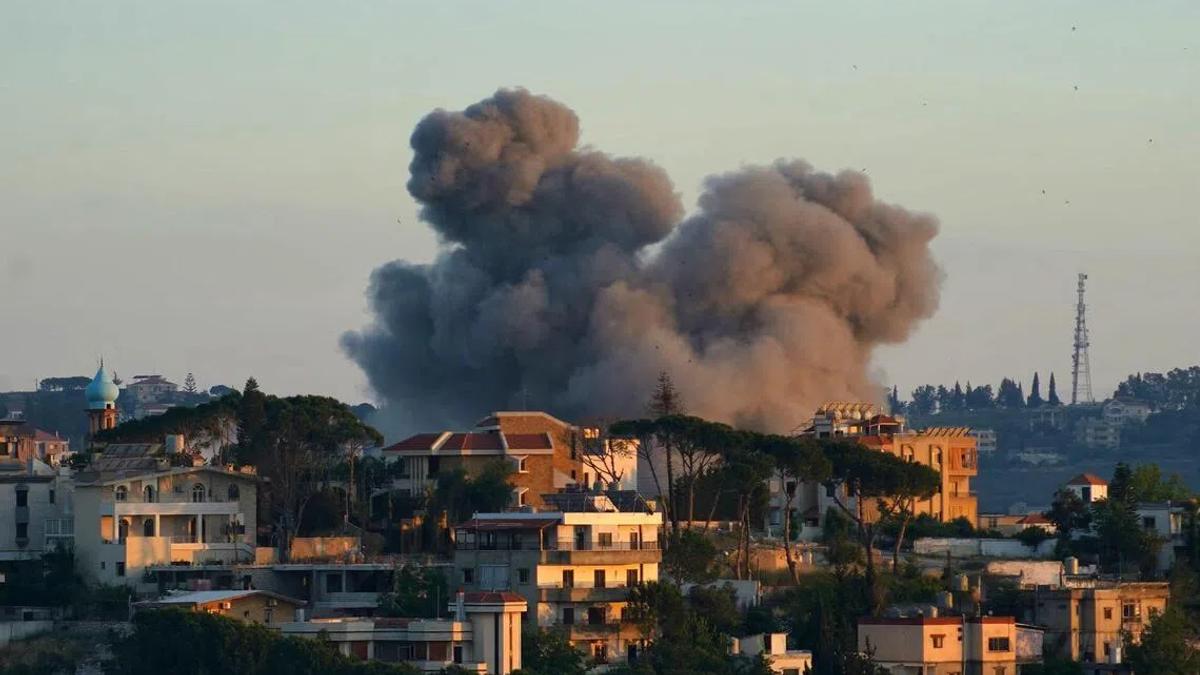
The conflict between the US and Iran began on February 28, 2026, with joint US-Israeli strikes on Iran. The war has resulted in thousands of casualties, mostly in Iran and Lebanon, and has sent global energy prices sharply higher. The proposed memorandum of understanding calls for reopening the strait and lifting the US naval blockade on Iranian ports, which would be a significant concession for the US.
The US has been seeking to contain Iran's nuclear program, which it sees as a threat to regional stability. However, the proposed deal suggests that the US is willing to compromise on its demands for limits on Iran's nuclear program. Iran, on the other hand, has emerged stronger from the conflict, according to Iranian Foreign Minister Abbas Araghchi. The deal would allow Iran to retain its uranium in diluted form, which would be a significant concession for the US.
The deal has significant implications for the region. The reopening of the Strait of Hormuz would be a major boost for global energy markets, which have been affected by the conflict. However, the deal also raises concerns about the potential for Iran to continue its nuclear program. The US and its allies would aim to ensure normal levels of shipments through the strait within about a month of an agreement being signed, which may be complicated by the high likelihood of Iran having placed mines in the strait.
The deal would have significant consequences for the region. It would allow Iran to regain access to global markets and would reduce tensions between the US and Iran. However, it would also raise concerns about the potential for Iran to continue its nuclear program. The deal would also have implications for the US's relations with its allies in the region, particularly Israel, which has indicated that it would prefer more strikes to further degrade Iran's military.
The US-Iran peace deal framework is a significant development in the region. It marks a major concession for the US and would allow Iran to regain access to global markets. However, it also raises concerns about the potential for Iran to continue its nuclear program. The deal would have significant implications for the region and would require careful monitoring to ensure that it is implemented effectively.
The deal is not without its challenges. The US and Iran would need to negotiate the details of the deal, including the terms of the memorandum of understanding and the implementation of the agreement. The deal would also require the approval of Iranian Supreme Leader Mojtaba Khamenei, which could be a significant hurdle. Additionally, the deal would need to address the concerns of Israel and other regional actors, which could be a challenge.
The US-Iran peace deal framework is a significant development in the region. It marks a major concession for the US and would allow Iran to regain access to global markets. However, it also raises concerns about the potential for Iran to continue its nuclear program. The deal would have significant implications for the region and would require careful monitoring to ensure that it is implemented effectively.
Editor's Note: The deal is expected to be signed within 24 hours, but its implementation would require careful monitoring to ensure that it is effective.
Source referenced: STRAITSTIMES
This brief was synthesized by our Editorial Engine and reviewed by The Ground Narrative team.