TRENDING

Tuesday, 27 October 2026
----------------------
16 Jumada Al-Awwal 1448 AH
China’s factories are churning out more goods than the world can absorb, a surge powered by local officials racing for promotion. The resulting overcapacity hurts foreign competitors, saddles Chinese workers with unstable jobs, and deepens fiscal strain.
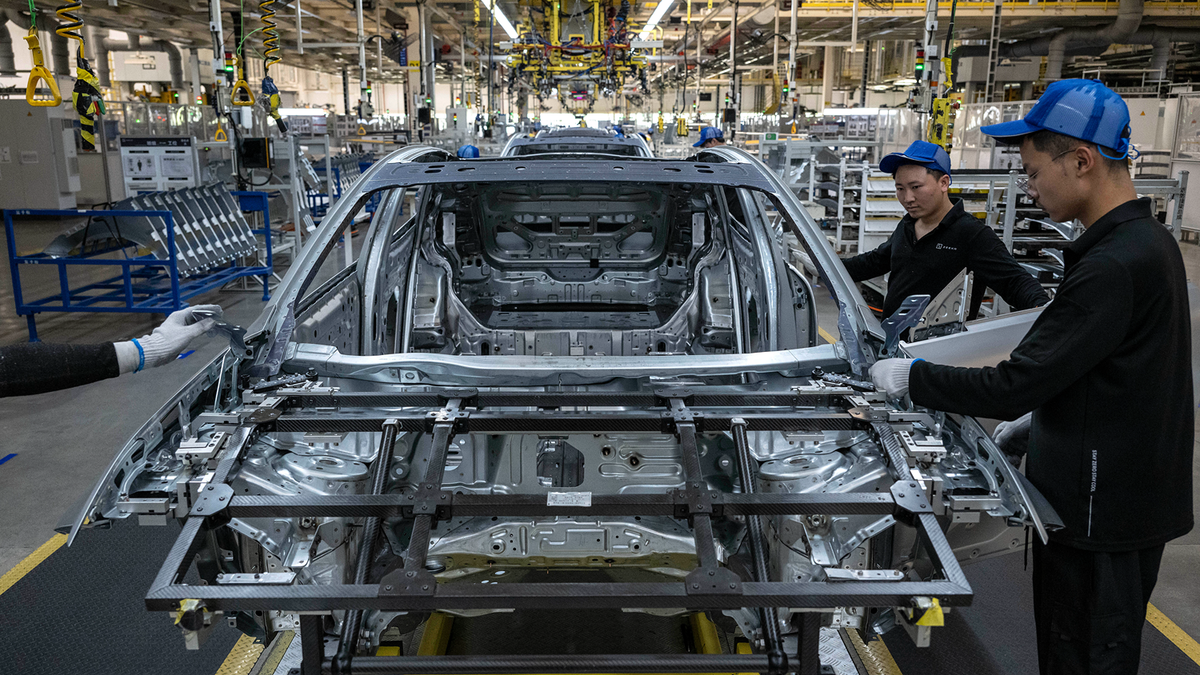
China’s export engine shows no sign of slowing. Auto shipments have surged tenfold since 2020, aiming for 10 million vehicles this year, while the trade surplus hit a record $119.1 billion in August, on track to eclipse the $1.2 trillion surplus of 2025. The surge spans electric vehicles, power‑generation equipment, and countless other sectors, prompting accusations from the United States, the European Union, and Southeast Asian nations that China is dumping excess capacity abroad.
The overcapacity puzzle is less a top‑down master plan than a cascade of local incentives. Beijing sets broad industrial priorities—EVs, robotics, AI—but the implementation hinges on provincial, city, and county officials whose careers depend on short‑term performance metrics. These officials are appointed from above and evaluated in a tournament‑style system where promotions reward visible growth in GDP, investment, and fiscal revenue. When the central leadership signals a priority, localities scramble to out‑spend rivals, launch flagship projects, and secure high‑profile events that guarantee a photo‑op with senior leaders.
- Local lobbying: Provinces lobby for railway lines, factories, or mega‑events to attract central attention and fiscal transfers.
- Attention economy: A single favorable comment from a top leader can unlock billions in investment, prompting officials to chase visible, low‑risk projects like EV plants.
- Short tenures: With an average three‑and‑a‑half‑year stint, officials prioritize quick wins over long‑term sustainability, leading to a cycle of duplicative construction.
- Principal‑agent gap: Central monitors struggle to verify real performance, so easy‑to‑measure indicators become the proxy for success, even when they mask underlying inefficiencies.
The result is a classic coordination failure: each locality’s rational pursuit of promotion aggregates into a national surplus of factories, trucks, and batteries that outpaces global demand. Even as Xi Jinping publicly warns against disorderly growth, the lack of concrete penalties means the warning carries little weight.
Workers on the factory floor face a paradox of abundance and insecurity. While factories stay open, the relentless push for higher output squeezes wages and erodes job stability. When demand falters abroad, plants shutter or cut shifts, leaving millions of laborers—many from rural households—facing unemployment and reduced social benefits.
Local governments, responsible for roughly 85 % of China’s general‑budget spending, fund these projects through land sales, debt issuance, and tax incentives. The debt burden, already high, swells as officials borrow to finance new plants that may never become profitable. Rural taxpayers ultimately shoulder the cost through higher levies and reduced public services.
Export‑driven overcapacity depresses prices worldwide, squeezing margins for manufacturers in the United States, Europe, and Southeast Asia. Small and medium‑sized firms, unable to match China’s subsidized pricing, either downsize or exit markets, leading to job losses and reduced industrial diversity in those regions.
Mass production of batteries and steel for EVs intensifies pollution and resource extraction. While the central narrative frames these projects as green, the rapid, uncoordinated build‑out often bypasses stringent environmental safeguards, worsening air and water quality both locally and in export destinations.
Official statements from Beijing emphasize strategic, high‑tech development and environmental stewardship. What is omitted is the extent to which local officials manipulate these narratives to secure personal advancement. The central government’s limited capacity to enforce compliance means many projects proceed with minimal oversight, turning policy slogans into a veneer for rent‑seeking.
Local debt figures are routinely under‑reported. By classifying certain liabilities as “off‑budget” or bundling them into special‑purpose vehicles, officials mask the true scale of fiscal risk. This opacity protects officials from immediate scrutiny but leaves the national economy vulnerable to a sudden debt crisis.
The analysis often highlights China’s role as a reliable supplier, yet the overcapacity creates a paradoxical fragility. When global demand contracts—as seen during the 2023‑24 slowdown—Chinese factories cut output, disrupting downstream manufacturers worldwide that have become dependent on just‑in‑time deliveries from these over‑produced lines.
The Party’s legitimacy rests on delivering prosperity. Overcapacity projects are a quick way to showcase growth, but the hidden social costs—unemployment spikes, reduced public services, and environmental degradation—are downplayed in state media. The narrative of “continuous progress” masks growing discontent in regions where promised benefits never materialize.
- Policy tightening: Watch for any central directives that tie promotions to debt‑to‑revenue ratios rather than raw GDP growth. A shift in evaluation metrics could curb the race for visible projects.
- Debt‑restructuring signals: Look for announcements from the Ministry of Finance about stricter oversight of local government financing vehicles. Early warnings may indicate an impending correction.
- Export trends: Monitor auto and EV export data from customs. A slowdown would reveal the limits of global absorption and could trigger factory closures.
- Labor unrest: Pay attention to reports of strikes or protests in major manufacturing hubs like Guangdong, Zhejiang, and Sichuan. Growing worker dissatisfaction could pressure local officials to recalibrate growth strategies.
- Environmental enforcement: New central environmental inspections or penalties in high‑pollution zones would signal a move to balance growth with sustainability, potentially slowing new plant approvals.
By tracking these indicators, observers can gauge whether China’s overcapacity will self‑correct, be reined in by central reforms, or continue to generate ripple effects across the global economy.
Local officials chase short‑term performance metrics tied to promotions, launching visible projects that inflate output even when markets cannot absorb the goods.
In China, workers face unstable jobs and wage pressure; abroad, foreign manufacturers see price squeezes that can lead to layoffs and reduced industry diversity.
Editor's Note: Analysis based on publicly available reports and expert commentary; specific local debt figures may be under‑reported.
Source referenced: FOREIGNPOLICY
This brief was synthesized by our Editorial Engine and reviewed by The Ground Narrative team.