TRENDING

Tuesday, 27 October 2026
----------------------
16 Jumada Al-Awwal 1448 AH
Lula’s unexpected second term sparked a sharp fall in the real, rattling markets and exposing Brazil’s fiscal tightrope. The fallout will be felt most by ordinary citizens facing higher borrowing costs and volatile prices.
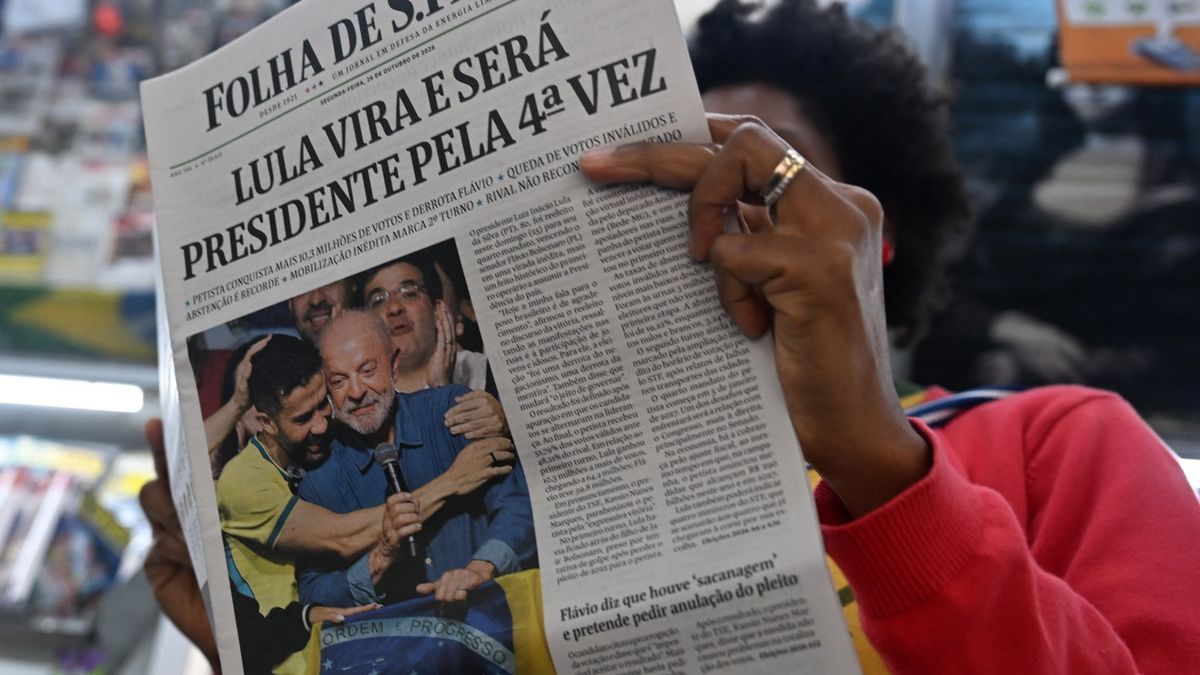
Brazil’s presidential runoff on 30 October 2026 delivered a surprise second term for Luiz Inácio Lula da Silva. Within hours, the real slumped 12 percent against the U.S. dollar in spot trading, while Bovespa futures plunged nearly 15 percent. The market tumble was amplified by the refusal of right‑wing contender Flávio Bolsonaro to concede, prompting a brief trading halt and the activation of a circuit‑breaker on the stock exchange.
The currency slide reflects a clash of fiscal expectations and political risk. Under Bolsonaro, investors had priced in a tighter fiscal stance, assuming reduced public spending and lower borrowing costs. That scenario promised a more attractive yield curve for foreign capital, especially given Brazil’s commodity‑driven export earnings.
Lula’s platform, by contrast, emphasizes a gradualist fiscal approach aimed at protecting expansive social programmes while targeting a modest primary surplus of 1.3 % of GDP by 2030. The lack of concrete details on how pension reforms or spending cuts will be achieved leaves markets uncertain about the trajectory of Brazil’s debt‑to‑GDP ratio, already above 82 %.
The political calculus also matters. Bolsonaro’s refusal to concede fuels a narrative of instability, prompting risk‑averse investors to unwind positions that assumed a smooth transition to a right‑leaning administration. Meanwhile, Lula’s team faces pressure to appoint a finance minister whose credibility can reassure bond markets and keep interest‑rate futures from spiking further.
International capital flows add another layer. Global investors monitor emerging‑market currencies closely, and a sudden devaluation can trigger a cascade of portfolio rebalancing, especially as the U.S. dollar remains the benchmark safe‑haven asset. The real’s weakness therefore feeds back into higher import costs, feeding inflationary pressures that the government must now address.
A weaker real translates directly into higher prices for imported goods, from electronics to pharmaceuticals. Low‑income households, which already allocate a larger share of income to food and transport, feel the squeeze most acutely. Inflation spikes erode real wages, forcing families to cut discretionary spending or dip into savings.
Entrepreneurs who rely on imported inputs—such as raw materials for manufacturing or components for the tech sector—see their cost bases rise sharply. Many operate on thin margins, and the sudden currency shock can push them into cash‑flow crises, leading to layoffs or closures.
Brazil’s pension system is heavily indexed to inflation. As price levels climb, pension payouts increase, but the government’s fiscal space to honor these adjustments shrinks. Moreover, higher interest‑rate futures signal rising borrowing costs for the public sector, potentially prompting cuts to social benefits or delayed payments.
Export‑dependent states like Mato Grosso do Sul and Pará benefit from strong commodity prices, yet they also import machinery and consumer goods. The currency depreciation creates a mixed bag: export revenues rise in dollar terms, but local purchasing power falls, affecting regional consumption patterns and public service funding.
Official statements from Lula’s administration have highlighted the resilience of Brazil’s commodity export earnings, suggesting that the real will find support from trade surpluses. What they downplay, however, is the depth of structural fiscal constraints. The budget surplus target of 1.3 % of GDP hinges on reforms that have stalled for years, such as pension restructuring and tax base broadening.
International financial institutions, including the IMF, have issued cautious optimism about Brazil’s macro‑stability, yet they omit the political risk of a contested election outcome. Bolsonaro’s continued legal challenges and potential mobilization of his base could generate further market volatility, a factor rarely mentioned in official briefings.
Domestic media narratives often frame the currency drop as a short‑term market overreaction, ignoring the longer‑term impact on credit availability. As the real weakens, banks raise loan rates to preserve margins, tightening credit for small firms and consumers alike. This credit crunch can suppress economic growth, counteracting any gains from higher export earnings.
Finally, the role of foreign investors is understated. Hedge funds and sovereign wealth funds have already begun short‑selling the real, betting on continued depreciation. Their strategies amplify price movements, turning a political surprise into a financial cascade that ordinary Brazilians must absorb.
The next few weeks will reveal whether Lula can stabilize the currency through decisive policy moves. Key indicators include:
- The appointment of a finance minister and the tone of their first public statements on fiscal consolidation.
- Any concrete legislative proposals on pension reform or tax adjustments, which would signal a credible path to a primary surplus.
- The response of the Central Bank of Brazil to rising interest‑rate futures, particularly whether it will intervene in the foreign‑exchange market or adjust the Selic rate.
- Developments in the legal challenge mounted by Flávio Bolsonaro, as a prolonged dispute could keep political risk premiums elevated.
- Shifts in commodity prices, especially soy, iron ore, and oil, which could either cushion the real with higher export revenues or exacerbate volatility if global demand falters.
Observers should track the Bovespa’s volatility index and the spread between Brazilian sovereign bonds and U.S. Treasuries. A widening spread would confirm rising risk perception, while a narrowing gap could indicate restored confidence. Ultimately, the balance between fiscal credibility and political stability will determine whether Brazil’s currency recovers or slides deeper into depreciation, with profound consequences for everyday Brazilians.
Investors had priced in a tighter fiscal stance under Bolsonaro, expecting lower borrowing costs. Lula’s win introduced uncertainty about fiscal reforms, and Bolsonaro’s refusal to concede added political risk, prompting a rapid sell‑off of the real.
A weaker real raises import prices, fueling inflation that hits low‑income households hardest. It also pushes up loan rates, squeezing small businesses and increasing the cost of living for families across the country.
Source referenced: ALJAZEERA
This brief was synthesized by our Editorial Engine and reviewed by The Ground Narrative team.


