TRENDING

Tuesday, 27 October 2026
----------------------
16 Jumada Al-Awwal 1448 AH
Private citizens have taken the Trump administration to court, arguing that limiting White House media access harms educators, scholars, and the public. The case spotlights how press freedom battles ripple through classrooms and civic life.
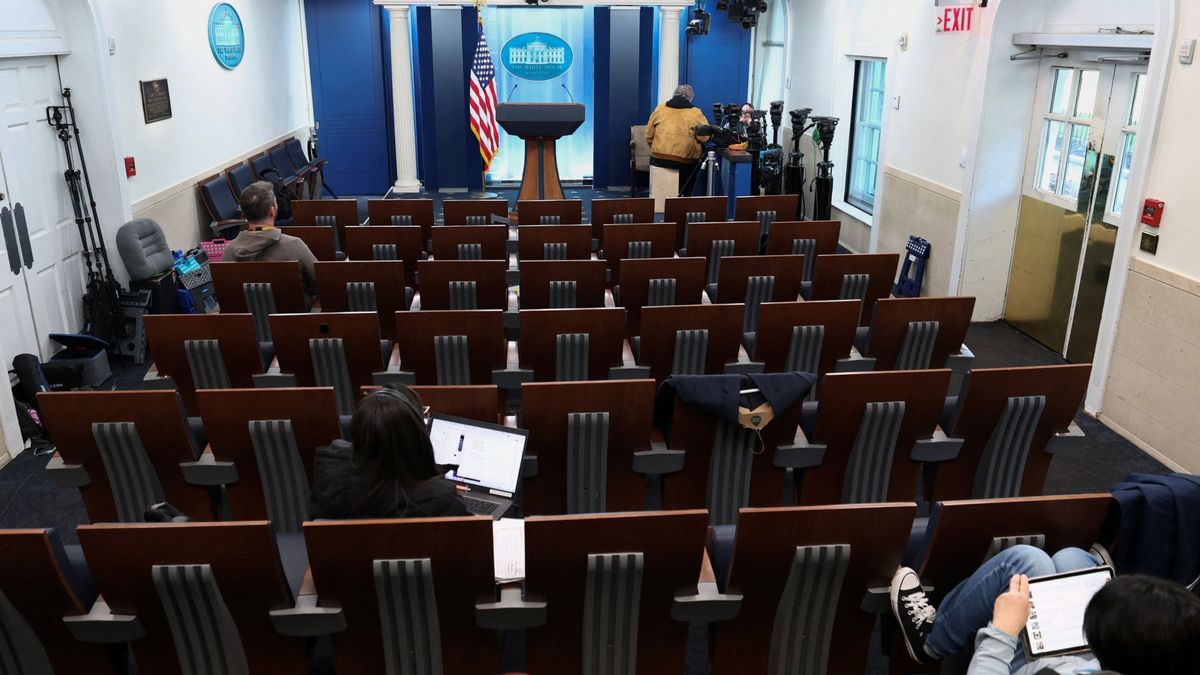
A coalition of six private citizens filed a federal lawsuit in New York, claiming that Donald Trump's administration is unlawfully restricting access to the White House press briefing room. The plaintiffs—ranging from a high‑school teacher to a university professor—argue that their work depends on unbiased reporting from the nation’s capital. The suit follows a series of recent bans on outlets such as CNN, MS NOW, and Politico, which a federal judge already deemed unconstitutional under the First Amendment. While the administration says it is merely looking for “badly needed space,” the plaintiffs contend the move is a calculated effort to muzzle dissenting voices.
The conflict pits the Executive Branch’s control over its own messaging against a media ecosystem that thrives on access. For a president whose brand hinges on direct communication—often via social media—limiting the traditional press corps reduces the number of gatekeepers who can challenge or fact‑check his statements. Politically, the move serves two purposes: it rewards loyal outlets that echo the administration’s narrative, and it signals to opponents that dissent carries tangible costs. Economically, the White House’s real estate is a scarce commodity; repurposing the historic briefing room for other uses frees up valuable square footage for events, staff, or, as Trump hinted, a revived swimming pool. Yet the decision also risks alienating a broad coalition of educators, researchers, and civic groups who rely on daily briefings for accurate information.
High‑school teachers like Peter Schmidt‑Nowara argue that without reliable coverage, students lose a critical window into how government works. Lesson plans that once featured live press briefings now have to rely on second‑hand summaries, diluting the immediacy of democratic engagement.
University professors and media watchdogs cite the briefings as primary sources for research on policy shifts, rhetoric, and executive behavior. When access is throttled, academic work becomes speculative, and watchdog reports lose the granular detail needed to hold power accountable.
Reporters from banned outlets confront not only a loss of access but also a chilling precedent: if the administration can relocate or evict the press at will, future journalists may self‑censor to avoid being sidelined. The lawsuit underscores that the cost is not merely abstract; it translates into fewer jobs, reduced newsroom diversity, and a narrower public discourse.
While the administration frames the relocation as a logistical necessity, it downplays the broader authoritarian pattern identified by scholars like Kenneth Roth. Historically, leaders who curtail press access precede deeper erosions of civil liberties, using spatial control as a metaphor for informational control. Moreover, the lawsuit’s novelty—being filed by news consumers rather than media companies—highlights a growing awareness that press freedom is a public good, not a private industry concern. Official statements also omit the potential legal ripple effects: a successful suit could set a precedent that forces future administrations to treat the briefing room as a protected public forum, limiting executive discretion over its use.
The next weeks will reveal whether the courts uphold the court rulings that previously blocked the bans, or whether the administration finds a legal loophole to move the press without violating the First Amendment. Watch for any legislative proposals that codify the briefing room’s status, as well as the administration’s messaging about the “badly needed space.” Finally, monitor how educators and media organizations mobilize around the case; a coordinated public‑policy push could reshape the balance between presidential control and independent reporting.
They argue that limiting access harms their work as teachers, scholars, and watchdogs, and that a free press is essential for an informed public.
A ruling in favor of the plaintiffs could cement the briefing room as a protected public forum, limiting the president’s ability to relocate or evict journalists.
Source referenced: ALJAZEERA
This brief was synthesized by our Editorial Engine and reviewed by The Ground Narrative team.


