TRENDING

Tuesday, 27 October 2026
----------------------
16 Jumada Al-Awwal 1448 AH
Former FBI director James Comey faces a third set of criminal charges under President Donald Trump. The case reveals how legal tools become weapons in a broader contest for power.
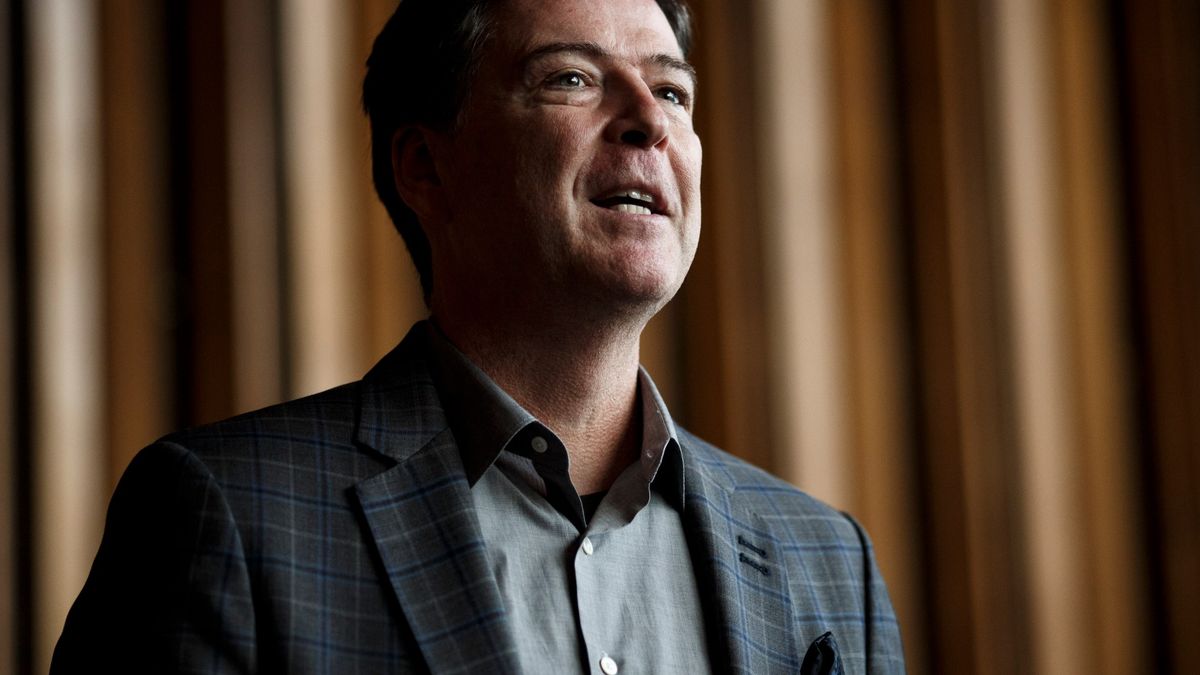
Former James Comey was hit with a third criminal information on October 26, 2026, accusing him of directing the leak of classified national‑defence material to a reporter in 2016. The charge follows two earlier indictments that were dismissed or stalled, and it arrives while Donald Trump is midway through his second term after returning to the White House in 2025. Prosecutors allege that Comey instructed an unnamed FBI employee to provide the New York Times reporter Charlie Savage with details about a Yahoo‑email‑traffic surveillance operation tied to a suspected terrorist group. Comey has denied any wrongdoing, calling the move a political vendetta and insisting on the independence of the federal judiciary.
The Trump administration’s pursuit of Comey rests on several intersecting incentives. First, the Department of Justice has been reshaped with loyalists who view the office as a direct extension of presidential will, allowing the President to weaponize criminal information—a tool that bypasses a grand jury and speeds up prosecutions. Second, Trump’s political survival hinges on portraying himself as a victim of a “deep state” that allegedly protected his 2016 rivals; targeting a high‑profile former FBI chief reinforces that narrative. Third, the timing aligns with a broader crackdown on critics, including former Attorney General Pam Bondi’s investigations into Democratic opponents. By keeping the case alive through a series of charges, the administration maintains a pressure valve that can be activated ahead of the 2028 election, signaling to allies and opponents alike that dissent carries personal risk. Finally, the appointment of Judge Trevor McFadden, a Trump‑selected jurist, ensures a courtroom environment sympathetic to the administration’s agenda, reducing the likelihood of procedural roadblocks.
Each new charge generates costly legal proceedings—court fees, security, and the salaries of a growing team of prosecutors and defense attorneys. The public treasury absorbs these expenses, diverting funds from infrastructure, education, or health services.
Agents who witnessed the 2017 dismissal of Comey and now see a former director repeatedly prosecuted may question the agency’s independence. This uncertainty can erode morale, discourage whistleblowing, and make recruitment of top talent more difficult, ultimately weakening the nation’s investigative capacity.
The case fuels a media cycle that pits outlets against each other, forcing journalists to choose between covering the legal drama and reporting on other pressing issues. As the narrative becomes more politicized, public confidence in both the press and the justice system erodes, creating a climate where misinformation can thrive.
Prosecutors chose a criminal information rather than seeking an indictment, a move that sidesteps the traditional check of a grand jury. This procedural shortcut is rarely highlighted in official statements, yet it concentrates decision‑making power in the hands of a single prosecutor, reducing transparency.
Judge McFadden’s appointment by Trump is mentioned only in passing, but his presence on the bench guarantees a judicial philosophy aligned with the administration’s view of executive authority. The lack of discussion about his potential bias masks a key factor that could influence rulings.
Comey’s case is part of a systematic effort to target critics—senators, state attorneys general, and former officials—using the justice system as a blunt instrument. While each case is framed as a matter of law, the cumulative effect is a chilling signal to anyone who might challenge the President’s narrative.
The next few months will reveal whether the charges lead to a trial, a dismissal, or a settlement. Key indicators include any motions to move the case to a different venue, the involvement of the Congressional oversight committees, and statements from senior DOJ officials about the use of criminal information in politically sensitive cases. Observers should also monitor the 2028 election calendar; a surge in prosecutions ahead of primaries could signal a strategic escalation. Finally, watch for any legislative proposals aimed at restoring grand‑jury oversight or limiting the DOJ’s ability to file information without judicial approval—efforts that could reshape the balance of power between the executive and the courts.
A criminal information allows prosecutors to bypass a grand jury, speeding up the process and keeping the case under tighter executive control.
Repeated legal attacks on a former director can undermine morale, deter whistleblowers, and signal that the agency’s actions are subject to political pressure.
Congressional oversight committees may hold hearings or propose legislation to limit the DOJ’s ability to file information without a grand jury, aiming to restore checks and balances.
Source referenced: ALJAZEERA
This brief was synthesized by our Editorial Engine and reviewed by The Ground Narrative team.