TRENDING

Sunday, 4 October 2026
----------------------
23 Rabi' Al-Thani 1448 AH
US and Iranian officials are engaging in indirect technical talks in Doha, mediated by Qatar and Pakistan, to advance a memorandum of understanding aimed at de-escalating a broader Middle East conflict. These discussions focus on a ceasefire, reopening the Strait of Hormuz, and addressing Iran's nuclear program, highlighting the complex diplomatic efforts to stabilize a volatile region.
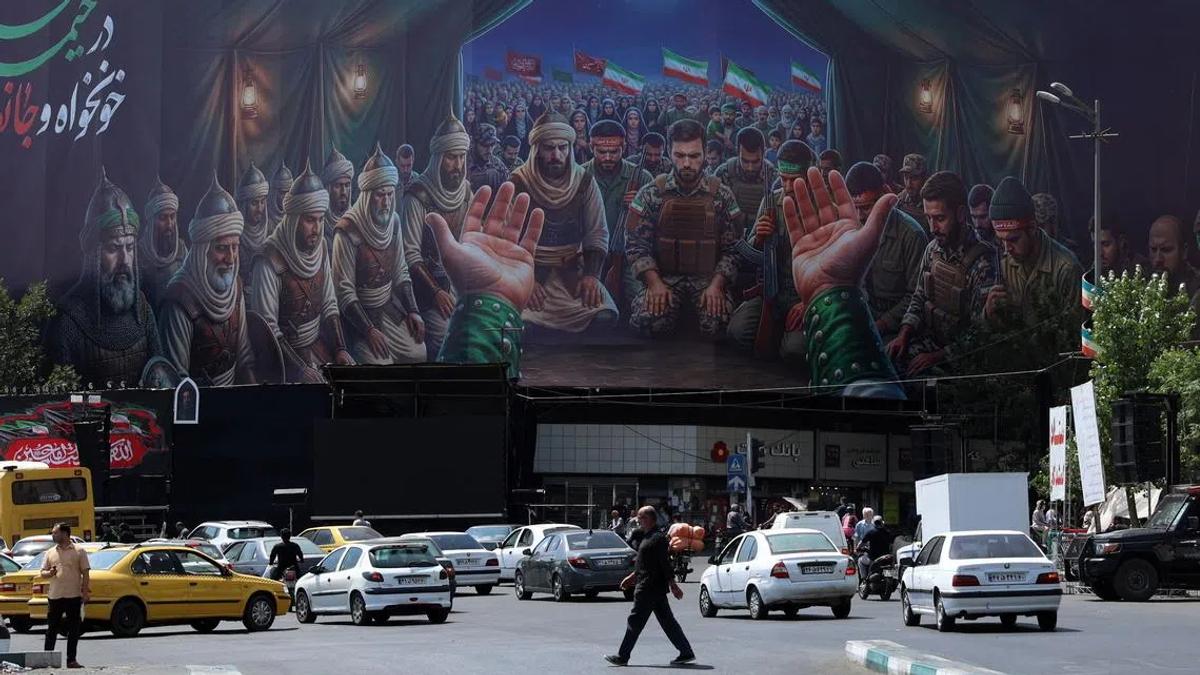
On July 1, officials from the United States and Iran convened in Doha, Qatar, for a round of indirect technical talks. These discussions, facilitated by Qatari and Pakistani mediators, represent a critical, albeit fragile, diplomatic effort to address a burgeoning conflict in the Middle East and long-standing geopolitical tensions. The primary objective of these talks is to build upon a previously established Memorandum of Understanding (MOU) and advance towards a comprehensive resolution.
The indirect nature of these engagements underscores the deep mistrust and political sensitivities that characterize US-Iran relations. While the US and Iran both confirmed their participation, Tehran explicitly denied earlier claims by US President Donald Trump of direct talks, emphasizing that its delegation, led by Deputy Foreign Minister Kazem Gharibabadi, had no plans for direct negotiations with the American side. This distinction highlights the delicate balance both nations are attempting to strike: engaging in necessary dialogue while managing domestic political narratives and avoiding perceptions of concession.
The core of the Doha discussions revolves around an MOU, brokered by Qatar and Pakistan, which outlines several crucial components aimed at de-escalating the regional crisis. Key provisions of this understanding include:
* A 60-day ceasefire: This temporary cessation of hostilities is intended to halt the ongoing Middle East war, which reportedly commenced with US-Israeli strikes on February 28. A ceasefire, even temporary, is vital for humanitarian relief and to create space for more substantive peace negotiations.
* Reopening of the Strait of Hormuz: The blockade of this vital maritime chokepoint has significant global economic implications, particularly for energy markets. Its reopening would signal a reduction in regional tensions and ensure the unimpeded flow of international commerce.
* Timeframe for a final deal: The MOU also seeks to establish a timeline for a comprehensive agreement to end the broader conflict and, crucially, to address Iran's contentious nuclear program. This element links immediate de-escalation with long-term strategic stability.
These technical talks are intended to build on progress made at the earlier Lake Lucerne Summit, suggesting a multi-stage diplomatic process is underway. While senior US envoys Jared Kushner and Steve Witkoff met with Qatar's Prime Minister Sheikh Mohammed bin Abdulrahman Al Thani on June 30 to discuss the ongoing talks, they were not directly involved in the technical sessions, further illustrating the layered approach to these sensitive negotiations.
The decision to hold these talks in Doha, with Qatar and Pakistan acting as mediators, underscores the growing role of regional powers in facilitating dialogue between major adversaries. Qatar, in particular, has consistently positioned itself as a neutral arbiter in various Middle Eastern conflicts, leveraging its diplomatic capital to foster communication channels where direct engagement is politically unfeasible.
From a geopolitical perspective, the success or failure of these talks carries immense weight. A sustained ceasefire would alleviate immediate humanitarian concerns and reduce the risk of a wider regional conflagration involving multiple state and non-state actors. The reopening of the Strait of Hormuz is not merely an economic issue but a strategic one, impacting global energy security and demonstrating a commitment to international maritime law.
Perhaps the most significant long-term implication lies in the discussions surrounding Iran's nuclear program. This issue has been a persistent source of international tension and a major proliferation concern. Any progress towards a verifiable and comprehensive agreement on this front would have profound implications for regional security architecture and global non-proliferation efforts. Conversely, a breakdown in these talks could lead to renewed escalation, further destabilizing an already volatile Middle East.
The path to a final resolution remains fraught with challenges. Historical mistrust, divergent strategic interests, and the complex interplay of regional alliances present formidable obstacles. Iran's insistence on indirect talks, despite the urgency of the situation, reflects its cautious approach and desire to avoid any perception of weakness or capitulation. The involvement of multiple actors, including the US, Iran, Israel, and various regional proxies, further complicates the diplomatic landscape.
Ultimately, these indirect technical talks in Doha represent a critical juncture. They offer a glimmer of hope for de-escalation and a potential framework for addressing some of the most intractable issues in the Middle East. However, the fragility of the process, the deep-seated animosities, and the high stakes involved mean that sustained, patient, and meticulously managed diplomacy will be essential to translate the current memorandum into a lasting peace agreement.
Source referenced: STRAITSTIMES
This brief was synthesized by our Editorial Engine and reviewed by The Ground Narrative team.


