TRENDING

Monday, 5 October 2026
----------------------
24 Rabi' Al-Thani 1448 AH
Lebanon and Israel report progress in US-brokered talks on border and prisoners, yet the key actor on the ground, Hezbollah, remains outside the agreement and opposed to disarmament. This dynamic casts a long shadow over the prospects for genuine stability for ordinary citizens.
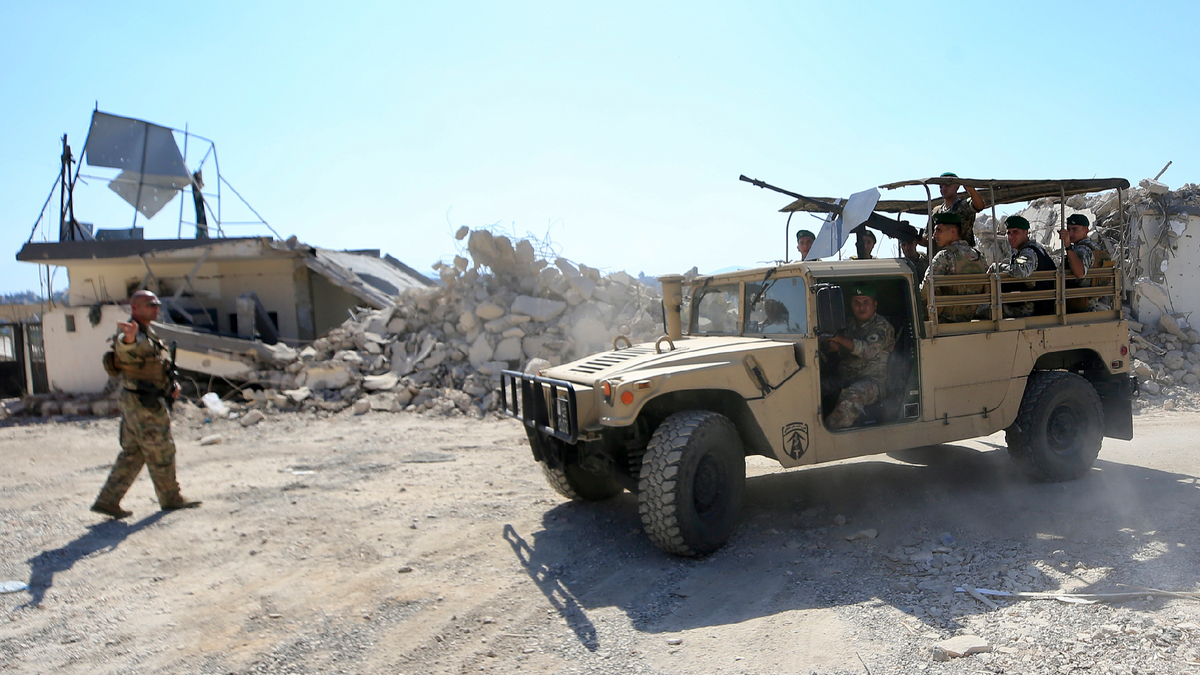
Lebanon and Israel recently concluded their seventh round of US-brokered negotiations in Rome, with Lebanese President Joseph Aoun announcing "positive progress" on critical border issues and the return of prisoners. These discussions, aimed at implementing a framework agreement established in Washington in late June, also touched upon a ceasefire, property demolitions, and the identification of pilot zones. US General Joseph Clearfield is slated to arrive in Beirut to oversee the follow-up on outstanding matters.
The negotiations reveal a complex web of incentives and constraints. For Israel, securing its northern border and neutralizing the perceived threat from Hezbollah's military arsenal are paramount. These talks offer a diplomatic avenue to achieve security objectives, potentially reducing the need for direct military engagement. For the Lebanese government, participating in these talks is an attempt to assert state sovereignty, stabilize its volatile economy, and potentially unlock international support. However, the Lebanese state operates under severe limitations, particularly concerning Hezbollah.
Hezbollah, a powerful non-state actor, functions as a state within a state in southern Lebanon, maintaining a significant military wing and deep political roots. Its explicit refusal to disarm and its opposition to these very talks underscore the fundamental challenge to any agreement reached between the two governments. The US, acting as mediator, seeks to manage regional tensions and contain Iranian influence, often aligning its diplomatic efforts with Israeli security concerns. The agreement on a shortlist of countries to verify Hezbollah's disarmament, with the US making the final selection and vetoing France, highlights the deep distrust among parties and the US's central role in shaping regional security arrangements.
The human cost of this protracted conflict and the current negotiations falls disproportionately on ordinary citizens. Border communities in southern Lebanon and northern Israel live under constant threat, their lives dictated by undefined lines and the ever-present possibility of escalation. For them, discussions about "demolition and bulldozing of houses" are not abstract diplomatic points but direct threats to their homes and livelihoods. Families of prisoners on both sides endure years of uncertainty and emotional distress, clinging to the hope that diplomatic breakthroughs might reunite them with loved ones. More broadly, the Lebanese populace grapples with a state whose sovereignty is fragmented, unable to fully control its own territory or guarantee security. The ongoing instability, exacerbated by the unresolved power of non-state actors, stifles economic recovery and perpetuates a cycle of vulnerability for millions.
The most glaring omission from the official narrative of "positive progress" is the absence and explicit opposition of Hezbollah to the disarmament aspect of the agreement. While the Lebanese government engages in state-to-state negotiations, the most potent military force on its side of the border is neither party to the agreement nor committed to its core tenets. This renders any progress on disarmament verification largely symbolic, as Hezbollah's arsenal remains untouched and its strategic calculations independent of Beirut's official stance. The talks, therefore, risk creating an illusion of stability, addressing symptoms rather than the root cause of the conflict: the unresolved question of who truly holds power and authority in southern Lebanon. The US's role in hand-picking verification countries further underscores that these are not multilateral peace efforts but rather carefully managed security arrangements designed to serve specific strategic interests, potentially at the expense of genuine local ownership over the peace process.
Moving forward, several key developments will indicate the true impact of these Rome talks. Observers should closely watch Hezbollah's reactions to any concrete steps towards implementing the agreement, particularly regarding the deployment of verification troops. Will they actively resist, or will a tacit understanding emerge? The specifics of US General Clearfield's mission in Beirut will be crucial; his mandate and the leverage he brings will determine the pace and scope of progress on the remaining issues. Furthermore, the effectiveness of any ceasefire and pilot area implementations will be a litmus test for the practical enforceability of the agreement on the ground. Finally, the internal political dynamics within Lebanon, especially the delicate balance between the official government and Hezbollah, will dictate whether these diplomatic overtures translate into tangible, lasting peace for the people caught in the middle.
Source referenced: CGTN
This brief was synthesized by our Editorial Engine and reviewed by The Ground Narrative team.


