TRENDING

Monday, 5 October 2026
----------------------
24 Rabi' Al-Thani 1448 AH
Israel and the US are at odds over a Gaza withdrawal plan, but the real issue is the decades-long blockade and its devastating impact on civilians. As regional tensions escalate, who will bear the cost of this power struggle? The answer lies in the untold stories of Gaza's residents, who have been living under siege for years.
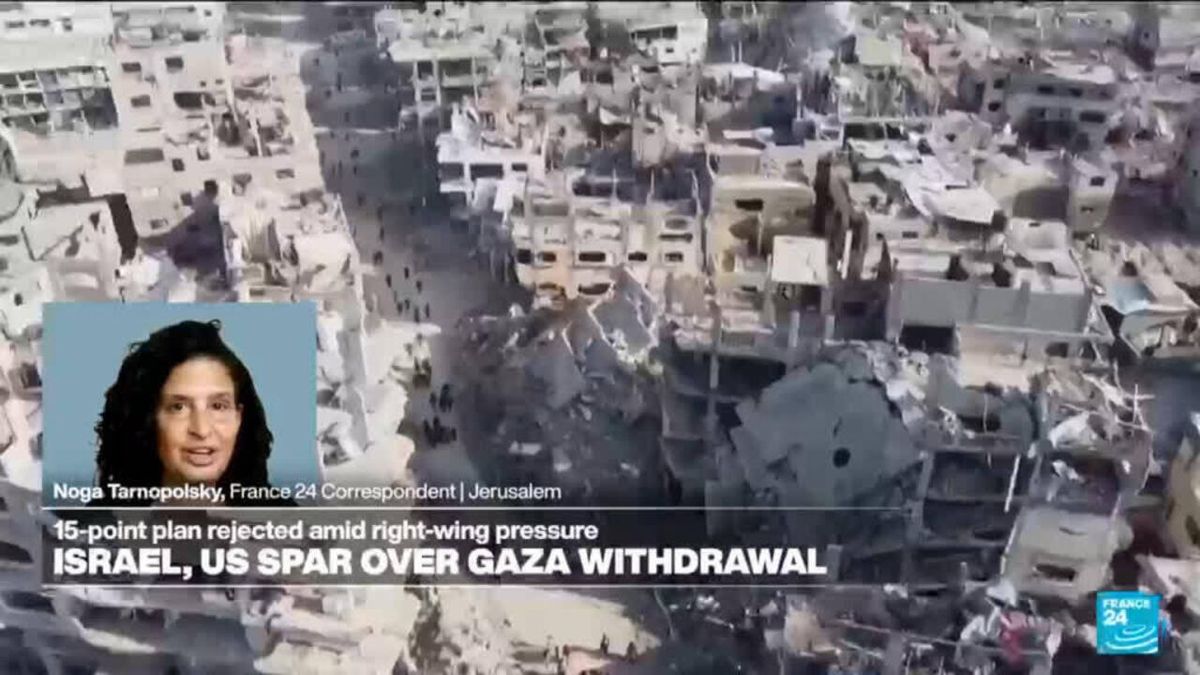
The Israeli government, led by Prime Minister Benjamin Netanyahu, has rejected a US-backed plan for Gaza, citing the need for Hamas to be disarmed. This move has sparked a diplomatic spat between Israel and the US, with the latter pushing for a withdrawal of Israeli forces from the Palestinian territory.
The conflict in Gaza is not just about Israel and Palestine; it's also about the regional power dynamics at play. The US, Israel, and Iran are engaged in a complex game of alliances and rivalries, with each side trying to assert its influence in the Middle East. The US has been trying to broker a peace deal between Israel and Palestine, but its efforts have been hindered by Israel's refusal to compromise on key issues, including the status of Gaza.
The real victims of this power struggle are the people of Gaza, who have been living under a crippling blockade for over a decade. The blockade has devastated the local economy, leaving thousands of people without access to basic necessities like food, water, and healthcare. The humanitarian crisis in Gaza is a direct result of the political impasse, and it's the civilians who are paying the price.
What's being downplayed in the current narrative is the role of Iran in the region. Iran's influence in Gaza is significant, and its support for Hamas has been a major factor in the conflict. However, the US and Israel are reluctant to acknowledge this reality, as it would require them to confront the complexities of the regional power dynamics. Instead, they are focusing on the symptoms of the problem, rather than the root causes.
As the situation in Gaza continues to deteriorate, there are several key developments to watch out for. The US may try to impose its will on Israel, but this could backfire and lead to further escalation. Meanwhile, Iran's role in the region will continue to be a major factor, and its demands for the Strait of Hormuz may become a bargaining chip in the larger conflict. Ultimately, the people of Gaza will continue to bear the brunt of this power struggle, and it's up to the international community to demand a more nuanced and sustainable solution to the crisis.
Editor's Note: The analysis is based on publicly available information and may not reflect the full complexity of the situation on the ground.
Source referenced: FRANCE24
This brief was synthesized by our Editorial Engine and reviewed by The Ground Narrative team.


