TRENDING

Monday, 5 October 2026
----------------------
24 Rabi' Al-Thani 1448 AH
F-16s intercepted two civilian aircraft near Trump's New Jersey golf club, highlighting the intricate dance between national security, presidential protection, and the human cost of restricted airspace. The incident underscores the power mechanics at play when a president's personal space becomes a matter of national security.
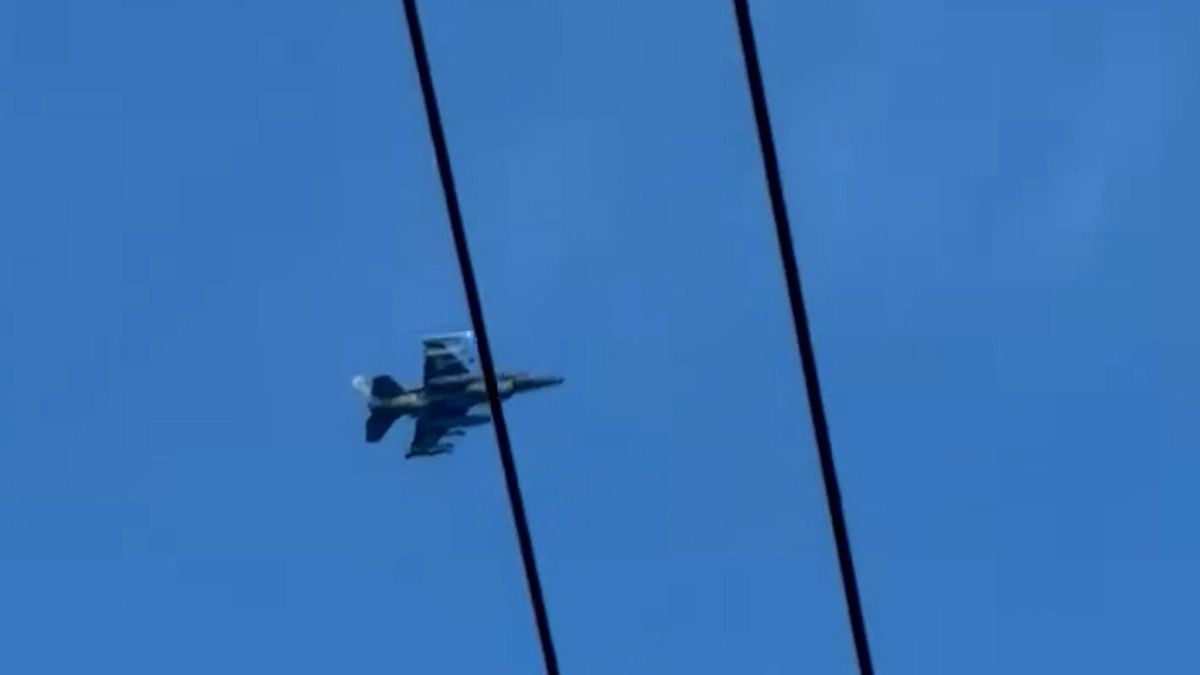
On August 9, 2026, two civilian aircraft entered restricted airspace over Bedminster, New Jersey, prompting F-16 fighter jets to intercept them. The North American Aerospace Defense Command (NORAD) confirmed the incident, which occurred while US President Donald Trump was watching a tournament at his golf course.
The interception of the two civilian aircraft by F-16s is a stark reminder of the national security apparatus that surrounds the President of the United States. The restricted airspace over Bedminster is a microcosm of the larger power dynamics at play, where the protection of the president and his personal space becomes a matter of national security. This incident highlights the incentives that drive the actions of those responsible for presidential protection, including the Secret Service and NORAD, who must balance the need to protect the president with the need to respect the rights of civilians.
The human cost of such incidents often goes unreported. Pilots and passengers of the intercepted aircraft may have experienced significant stress and disruption to their travel plans. Moreover, the presence of restricted airspace can have a profound impact on local communities, limiting their ability to use the skies for recreational or commercial purposes. The economic implications of such restrictions can also be significant, affecting local businesses that rely on air travel.
What is often downplayed or omitted in such incidents is the broader context of presidential protection. The fact that a president's golf course requires a no-fly zone, enforced by fighter jets, raises questions about the privatization of public resources for personal gain. The environmental impact of such security measures, including the noise pollution and carbon footprint of F-16s, is also rarely discussed. Furthermore, the lack of transparency surrounding these incidents can erode trust in the government's ability to balance national security with individual freedoms.
As the presidency continues to evolve, it is essential to watch for changes in the way restricted airspace is managed. Will future presidents prioritize national security over individual freedoms, or will they find ways to balance these competing interests? The role of technology in enhancing presidential protection, such as the use of drones or advanced surveillance systems, will also be crucial to monitor. Ultimately, the tension between national security and individual rights will continue to shape the way we think about the presidency and its impact on our daily lives.
Editor's Note: The analysis is based on publicly available information and may not reflect the full complexity of the incident.
Source referenced: ALJAZEERA
This brief was synthesized by our Editorial Engine and reviewed by The Ground Narrative team.


