TRENDING

Monday, 5 October 2026
----------------------
24 Rabi' Al-Thani 1448 AH
An Ebola outbreak in eastern DRC, exacerbated by ongoing conflict, is disproportionately affecting women and children, with maternal deaths nearly doubling as fear disrupts essential healthcare.
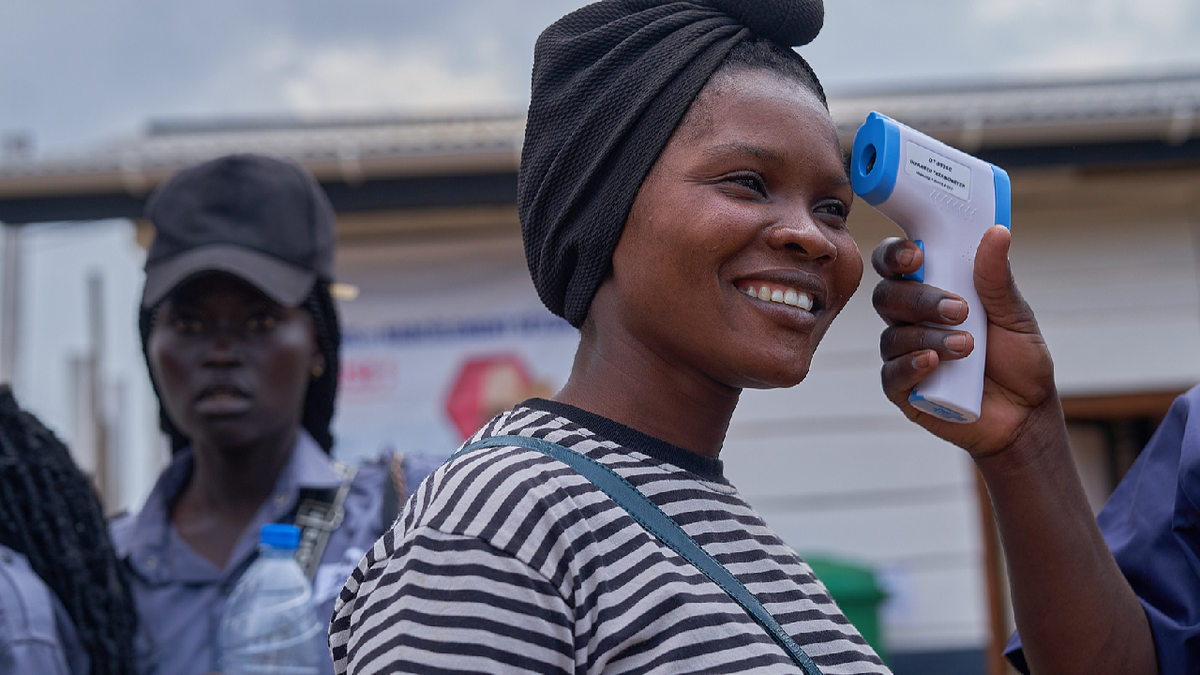
In eastern Democratic Republic of Congo (DRC), specifically the conflict-ridden province of Ituri, an ongoing Ebola outbreak is deepening an already dire humanitarian crisis. The United Nations reports that women and children are bearing the brunt, comprising 80% of the nearly one million displaced people in the region. Children account for nearly a third of Ebola-related deaths, despite making up only a quarter of confirmed cases. Crucially, the fear of infection has led to a more than 40% drop in the use of essential health services, causing maternal deaths in Ituri to almost double, with an average of six women dying each week from childbirth complications.
This Ebola outbreak is not merely a public health challenge; it is a symptom and amplifier of deeper structural failures. The power dynamics at play are complex, rooted in decades of instability. The central government in Kinshasa struggles with governance and security across its vast territory, particularly in the resource-rich eastern provinces where various armed groups, often backed by external actors or driven by local grievances, operate with impunity. This pervasive conflict creates an environment where public health infrastructure is minimal, trust in authorities (including health workers) is low, and populations are constantly on the move, making disease containment incredibly difficult. International aid organizations, while providing critical support, operate within these constraints, their efforts often undermined by violence and displacement. The *power of fear* itself becomes a weapon, not just against the virus, but against the very systems designed to combat it, driving people away from care and into greater vulnerability.
The human cost is borne overwhelmingly by the most vulnerable: women and children. Displaced from their homes, they lose access to stable food, shelter, and sanitation, making them more susceptible to disease. For pregnant women, the fear of contracting Ebola at a clinic means avoiding vital prenatal care and safe delivery services. This directly translates to a tragic surge in preventable maternal deaths, a stark indicator of a health system under extreme duress. Children, already at higher risk due to weaker immune systems, face a double threat: direct Ebola infection and the cascading effects of a collapsed healthcare system. These are the populations whose voices are rarely heard in the halls of power, yet they pay the ultimate price for the region's chronic instability.
While international bodies and the DRC Ministry of Public Health focus on containment and community outreach—deploying thousands of workers to combat misinformation—the deeper, more uncomfortable truth remains largely unaddressed in official statements. The persistent conflict in eastern DRC is not an unfortunate backdrop; it is the primary enabler of this humanitarian disaster. What is downplayed or omitted is the *political economy of conflict* in Ituri and neighboring provinces. The region's vast mineral wealth (gold, coltan, diamonds) fuels many of these armed groups, often with tacit or explicit support from regional powers and international illicit networks. The failure to disarm these groups, establish effective state control, and address the root causes of grievances (land disputes, ethnic tensions, political marginalization) ensures that any health intervention, no matter how robust, will remain a temporary fix. The international community's focus on humanitarian aid, while essential, often sidesteps the more challenging and politically sensitive work of addressing the underlying drivers of conflict and state weakness.
Moving forward, observers should watch for several key indicators. Firstly, the ability of the DRC government, supported by international partners, to establish secure corridors for health access and humanitarian aid. Secondly, the degree to which community trust can be rebuilt, not just through information campaigns, but through tangible improvements in security and basic services. Thirdly, and most critically, any meaningful progress in addressing the armed groups and political instability that plague eastern DRC. Without a concerted effort to tackle the *conflict itself*, future outbreaks of Ebola and other diseases will remain inevitable, continuing to disproportionately devastate the most vulnerable populations. The cycle of crisis will only be broken when the mechanics of power that perpetuate instability are fundamentally challenged and transformed.
Source referenced: CGTN
This brief was synthesized by our Editorial Engine and reviewed by The Ground Narrative team.


