TRENDING

Monday, 5 October 2026
----------------------
24 Rabi' Al-Thani 1448 AH
Israel's rejection of the US-brokered Gaza peace plan has significant implications for the region, with the human cost of the conflict continuing to rise. As negotiations stall, it's the people of Gaza who bear the brunt of the ongoing violence. With the conflict showing no signs of abating, it's essential to examine the power dynamics at play and the untold stories behind the headlines.
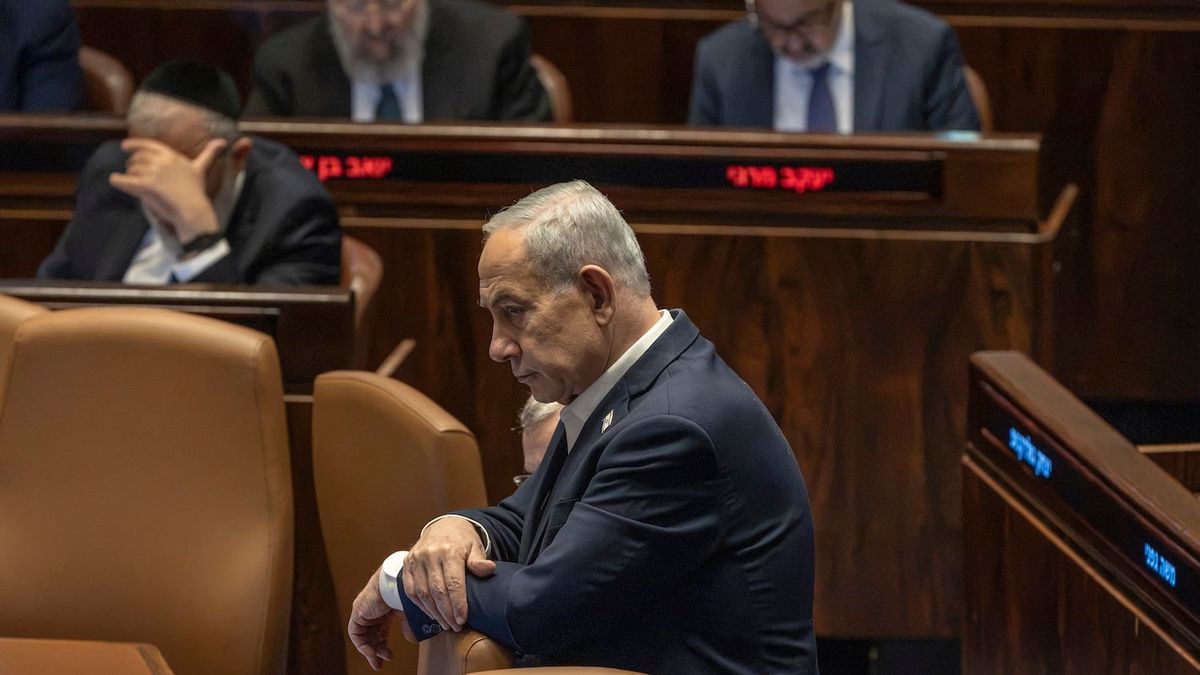
The Israeli government, led by Prime Minister Benjamin Netanyahu, has formally rejected the US-brokered 15-point peace plan for Gaza. The plan, which had the support of Hamas, was rejected due to Netanyahu's insistence on "absolute victory" ahead of a critical election on October 27. This rejection has significant implications for the region, with the human cost of the conflict continuing to rise.
The rejection of the peace plan is a clear indication of the power dynamics at play in the region. Netanyahu's insistence on "absolute victory" is a calculated move to appeal to his voter base ahead of the election. The US, which brokered the peace plan, is also playing a crucial role in the conflict. President Trump's approach to the negotiations, which he described as "low-key" and "semi-negotiating," has been criticized for being ineffective. The conflict is also influenced by other regional players, including Iran, Saudi Arabia, and Turkey, who have their own interests and agendas.
The people of Gaza are bearing the brunt of the ongoing violence. Despite the nominal cease-fire, Israel still controls more than half of Gaza, and over 1,250 Palestinians have been killed since the cease-fire was signed in October 2025. The conflict has also had a devastating impact on the economy, with poverty and unemployment rates soaring. The people of Gaza are not just statistics; they are individuals with families, hopes, and dreams. The ongoing violence and instability have made it impossible for them to live normal lives, and it's essential to remember that they are the human cost of the conflict.
One of the untold stories behind the headlines is the role of Iran in the conflict. While Iran is often portrayed as a supporter of Hamas, the reality is more complex. Iran's president has called for "unity and cohesion" in the face of the war's mounting economic costs, and the country is struggling to cope with the consequences of the conflict. The US, which has imposed economic sanctions on Iran, is also playing a crucial role in the conflict. The sanctions have had a devastating impact on the Iranian economy, and it's essential to examine the motivations behind the US's actions. Another untold story is the impact of the conflict on the environment. The ongoing violence has resulted in significant damage to the environment, including the destruction of natural habitats and the pollution of water sources.
As the conflict continues to escalate, it's essential to watch for several key developments. The upcoming election in Israel will be a crucial indicator of the direction of the conflict. If Netanyahu wins, it's likely that the conflict will continue to escalate. The role of regional players, including Iran, Saudi Arabia, and Turkey, will also be crucial in determining the outcome of the conflict. The US, which has been criticized for its approach to the negotiations, will need to re-evaluate its strategy and work towards a more effective solution. Ultimately, it's the people of Gaza who will bear the brunt of the ongoing violence, and it's essential to remember that they are the human cost of the conflict.
Editor's Note: The analysis is based on publicly available information and may not reflect the full complexity of the situation on the ground.
Source referenced: FOREIGNPOLICY
This brief was synthesized by our Editorial Engine and reviewed by The Ground Narrative team.


