TRENDING

Friday, 9 October 2026
----------------------
28 Rabi' Al-Thani 1448 AH
A US presidential statement links military action in the Gulf directly to midterm elections, revealing how domestic politics can dictate international conflict. This pause in an ongoing 'war' offers a temporary reprieve, but the underlying power struggles and human costs remain.
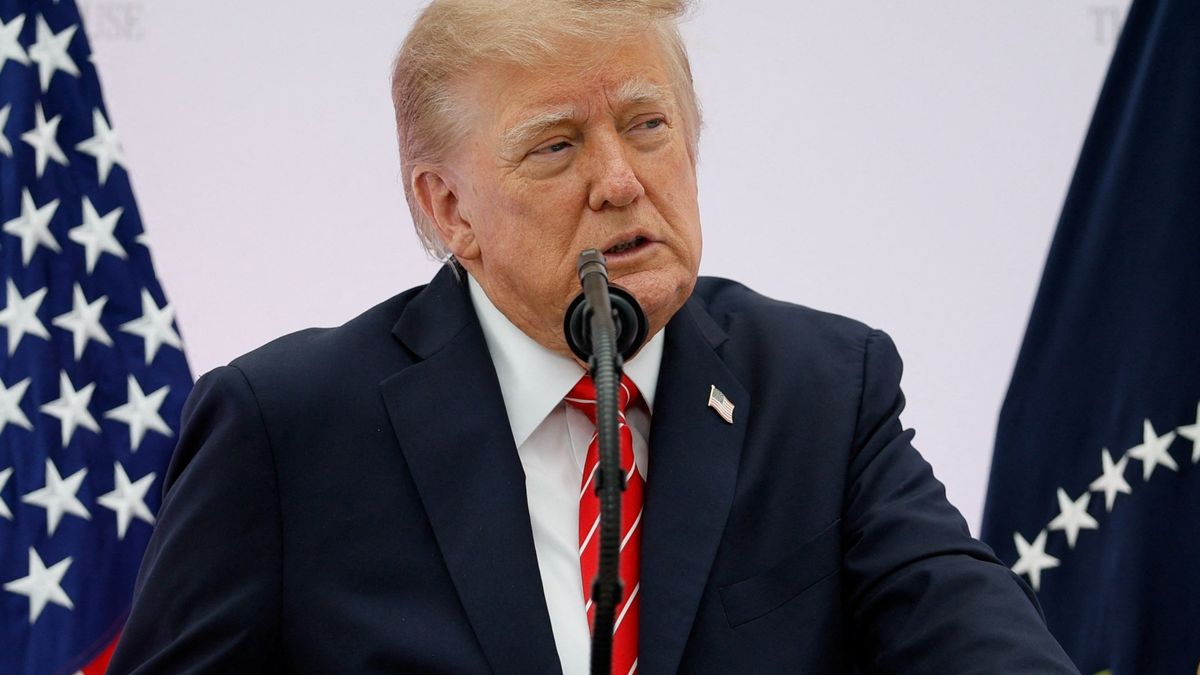
United States President Donald Trump announced that the US would not conduct any military strikes against Iran before the November 3rd midterm elections. This statement, delivered via Truth Social, claimed "productive discussions" were underway with the Islamic Republic. The declaration immediately eased concerns in global energy markets, leading to a fall in oil prices after weeks of mounting tensions in the Gulf. Concurrently, Iran's Foreign Minister stated that Tehran was reviewing a US proposal to reopen the Strait of Hormuz, signaling ongoing, mediated negotiations amidst reports of "massive explosions" in the critical shipping lane and a pledge from Russian President Vladimir Putin to support Iran in ending the "US-led war." This comes in the context of previous reports detailing the loss or damage of at least 81 US aircraft in this undeclared conflict.
This episode lays bare the intricate web of power dynamics where domestic political calendars intersect with high-stakes international conflict. President Trump's explicit linkage of military action to the midterm elections highlights how foreign policy can be a direct instrument of internal political survival. With oil prices being a key voter concern, particularly in an inflationary environment, a presidential statement capable of calming markets serves a clear electoral purpose. By publicly declaring a pause, the administration signals a temporary de-escalation, aiming to stabilize energy costs and reassure the electorate, regardless of the actual state of the ongoing, undeclared "war."
Iran, for its part, wields significant leverage through its strategic position controlling the Strait of Hormuz, a vital choke point for global oil shipments. Its willingness to engage in discussions about reopening the strait, even while its President dismisses talks as "futile," demonstrates a calculated ambiguity designed to maintain pressure while exploring diplomatic avenues. The development of its uranium enrichment capacity also serves as a critical bargaining chip, forcing the United States to consider concessions, as evidenced by Vice President JD Vance's softened demand for a "meaningful reduction" rather than outright abandonment. This signals a recognition by Washington of Tehran's red lines and a potential shift towards a more pragmatic, albeit still contentious, negotiation strategy.
Globally, the involvement of Russia adds another layer of complexity. Vladimir Putin's pledge of support to Iran in ending the "US-led war" is a clear move to bolster Tehran's position, challenge US hegemony in the Middle East, and solidify a multipolar world order. This provides Iran with a diplomatic shield and potentially military backing, complicating any unilateral US action and forcing Washington to consider the broader geopolitical implications of escalation. The interplay between these major powers – the United States balancing domestic politics and international pressure, Iran navigating internal factions and external threats, and Russia asserting its influence – creates a volatile equilibrium where every statement and action carries immense weight for global stability and energy markets.
The constant state of tension and the explicit linkage of military action to an election calendar impose a severe, often unseen, human cost across multiple populations.
For the millions of ordinary citizens living in the Gulf states, the threat of a wider conflict is a pervasive and terrifying reality. Businesses operate under a cloud of uncertainty, investment is deterred, and daily life is punctuated by the fear of escalation. Families live with the knowledge that a miscalculation or a political maneuver thousands of miles away could plunge their homes into chaos. The "massive explosions" in the Strait of Hormuz, regardless of their origin, serve as a stark reminder of the fragility of peace and the ever-present danger of maritime incidents affecting trade, travel, and safety in one of the world's busiest shipping lanes.
Beyond the immediate region, the volatility in oil prices directly impacts consumers worldwide. When tensions in the Gulf flare, the cost of crude oil rises, translating into higher prices at the pump for drivers, increased shipping costs for goods, and inflationary pressures that erode household budgets from Europe to Asia. This economic ripple effect means that the political machinations in Washington and Tehran have tangible consequences for the purchasing power and financial stability of ordinary people far removed from the geopolitical chessboard.
Inside Iran, the human cost is particularly acute. Years of stringent sanctions have crippled the economy, leading to widespread unemployment, inflation, and shortages of essential goods, including medicines. The constant threat of military action, whether declared or undeclared, exacerbates psychological stress and limits opportunities for growth and development. The regime's focus on external threats often comes at the expense of addressing the pressing needs of its own populace, leaving ordinary Iranians caught between the pressures of a struggling economy and the specter of war.
For the families of US military personnel involved in the "US-led war on Iran," the human cost is measured in anxiety and uncertainty. An undeclared conflict, where casualties are reported but the full scope of operations remains opaque, places an immense psychological burden on those serving and their loved ones. The knowledge that a president's domestic political calendar could dictate the timing of military engagements adds a layer of cynicism and stress, eroding trust and highlighting the often-disregarded personal sacrifices made in the service of geopolitical maneuvering.
The most critical omission in the official narratives surrounding the US-Iran dynamic is the true nature of the "US-led war on Iran." The intelligence mentions "at least 81 US aircraft worth up to $3.3bn lost or damaged in Iran war." This is not merely a diplomatic standoff or a sanctions regime; it points to an ongoing, low-intensity kinetic conflict, likely involving covert operations, proxy engagements, and direct military encounters that are carefully managed to avoid full-scale war. The public is largely unaware of the true scope and human toll of this undeclared conflict, which continues beneath the surface of diplomatic statements and electoral promises.
The explicit tying of military action to a domestic election calendar reveals a profound truth about US foreign policy: it can, at times, be dictated more by internal political calculations than by long-term strategic interests, national security imperatives, or international law. This downplays the severity of the conflict by treating it as a political lever, suggesting that military engagements can be paused or resumed based on electoral expediency rather than genuine de-escalation or strategic necessity. It obscures the fact that the lives of service members and the stability of a critical region are being weighed against voter sentiment on oil prices.
Iranian President Masoud Pezeshkian's assertion that negotiations with Washington are "futile" stands in stark contrast to Foreign Minister Abbas Araghchi's statement that Tehran is reviewing a US response regarding the Strait of Hormuz. This divergence is likely not a sign of disarray but a deliberate strategy. It allows Iran to project an image of defiance to its domestic hardline base while simultaneously keeping diplomatic channels open through mediators. This strategic ambiguity enables Tehran to maintain leverage, test the waters for concessions, and play both sides of the engagement spectrum, making it difficult for external actors to predict its true intentions or exploit internal divisions.
US Vice President JD Vance's demand for a "meaningful reduction" in Iran's uranium enrichment capacity, rather than the previous insistence on total abandonment, is a significant, yet quietly framed, concession. This shift suggests a pragmatic realization within the US administration that demanding complete cessation is unrealistic and that a more achievable, albeit less ambitious, goal is necessary for any diplomatic breakthrough. This nuance is often lost in public discourse, which tends to focus on maximalist positions, obscuring the subtle but crucial movements towards potential compromise.
The reports of "massive explosions" in the Strait of Hormuz, with Iran citing "unauthorised" routes and sea mines, lack independent verification. This allows for multiple interpretations: was it an accident, an internal Iranian operation to send a message, or a covert action by another party seeking to destabilize the region? The absence of clear, verifiable facts enables powerful actors to control the narrative, downplaying their own potential involvement or leveraging the ambiguity for strategic gain, leaving the public without a clear understanding of who is truly responsible and why.
The immediate focus will be on the period following November 3rd. Will the "pause" in US military action against Iran be lifted, or will the domestic political landscape allow for continued de-escalation? The outcome of the midterm elections will heavily influence the administration's subsequent approach to the ongoing "war" and diplomatic efforts.
Watch for Iran's official response to the US proposal regarding the Strait of Hormuz and uranium enrichment. This response will signal whether Tehran intends to reciprocate de-escalation or exploit the US electoral pause to strengthen its strategic position. Any new incidents in the Gulf, particularly involving maritime traffic or energy infrastructure, will be critical indicators of renewed tensions.
Observe the progress, or lack thereof, of the "productive discussions" currently being held through mediators. The effectiveness of these back channels will determine if a more stable, long-term solution can be found, or if the region is destined to return to a cycle of brinkmanship. Finally, monitor Russia's continued engagement and support for Iran. Vladimir Putin's actions will reveal the extent to which Moscow intends to challenge US influence in the Middle East and shape the future of global energy politics.
President Trump explicitly linked the pause to the upcoming November 3rd midterm elections. This suggests a strategic move to stabilize oil prices, address voter concerns about inflation, and potentially influence public perception of his administration's foreign policy effectiveness during an election cycle.
The intelligence refers to an ongoing 'US-led war on Iran' where US aircraft have been lost or damaged. This indicates a low-intensity, undeclared kinetic conflict, likely involving covert operations and proxy engagements, rather than solely economic sanctions or diplomatic tensions.
US midterm elections can significantly influence global oil prices, particularly if a president makes statements or takes actions that impact regional stability in major oil-producing areas like the Gulf. De-escalation signals, even temporary ones, can ease market fears of supply disruptions, leading to a fall in prices as seen after Trump's announcement.
Source referenced: ALJAZEERA
This brief was synthesized by our Editorial Engine and reviewed by The Ground Narrative team.


