TRENDING

Friday, 9 October 2026
----------------------
28 Rabi' Al-Thani 1448 AH
China has issued a stark warning to France and Germany against pushing the European Union towards protectionist trade policies. This move signals a deepening rift over economic competition and the future of global supply chains.
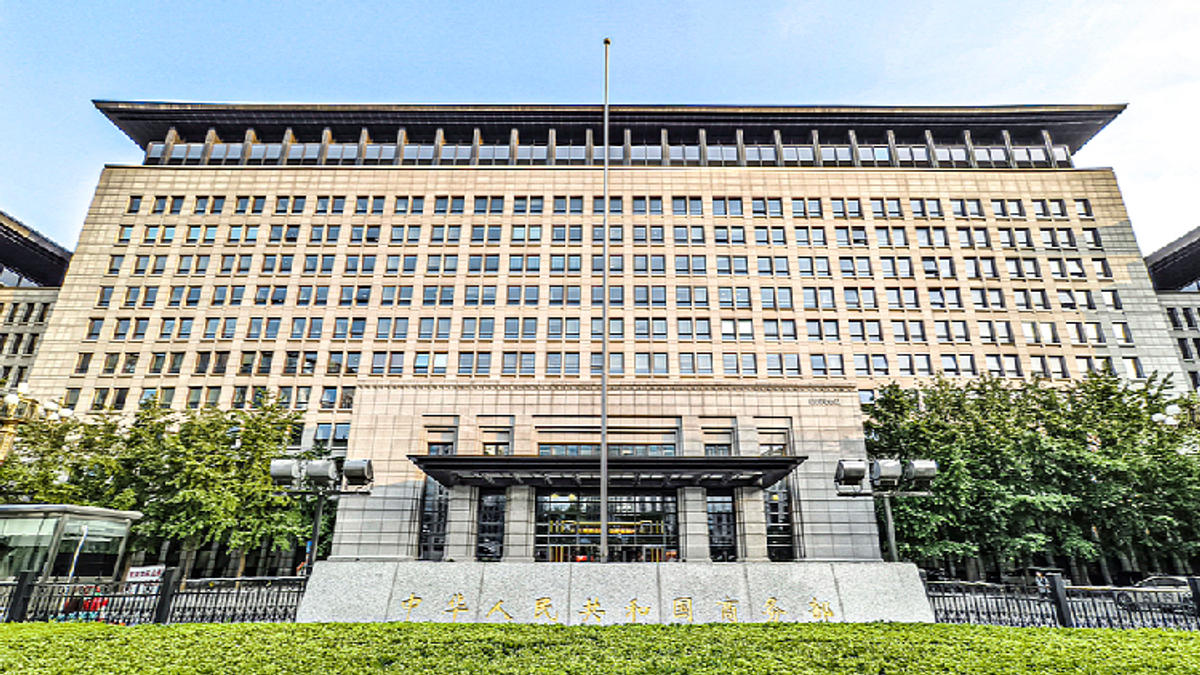
China's Ministry of Commerce recently issued a strong statement urging France and Germany to uphold principles of openness, cooperation, and free trade. This intervention came in response to reports that the two major European economies had submitted an informal document to the European Commission, advocating for stronger trade defense measures and the introduction of new protectionist tools within the European Union (EU). Beijing explicitly warned against politicizing economic issues, suggesting such an approach could ultimately backfire and hurt all parties involved, while emphasizing that interdependence should not be viewed as a risk.
This exchange reveals a fundamental clash of economic philosophies and strategic anxieties between China and key EU members. At its core, it's a struggle over market access, industrial competitiveness, and the very definition of fair trade in a rapidly shifting global landscape.
For China, the push for protectionism in Europe strikes at the heart of its economic model. Decades of export-led growth have cemented its position as the world's factory, with vast industrial capacity reliant on open global markets. The
China's economic model relies heavily on exports and open global markets, particularly for its advanced manufacturing and green technology sectors. Protectionist measures by the EU, a major consumer market, threaten China's growth, industrial strategy, and job stability, prompting Beijing to defend its market access.
France and Germany are concerned about unfair competition from state-subsidized Chinese industries, particularly in sectors like electric vehicles and renewable energy. They seek to protect domestic manufacturing, safeguard jobs, and foster economic sovereignty by reducing reliance on China and supporting European industrial development.
Increased trade protectionism can lead to higher prices and reduced consumer choice in Europe, while potentially causing job losses in European export sectors if China retaliates. In China, it could result in job losses in export-oriented industries and broader economic instability, affecting millions of workers and their livelihoods.
Source referenced: CGTN
This brief was synthesized by our Editorial Engine and reviewed by The Ground Narrative team.