TRENDING

Friday, 9 October 2026
----------------------
28 Rabi' Al-Thani 1448 AH
Rabbi Dov Lando, a 96‑year‑old ultra‑Orthodox leader, sparked a firestorm by denouncing Zionism as a source of Jewish suffering. His words arrive at a critical juncture for Israel's coalition politics and the upcoming national vote.
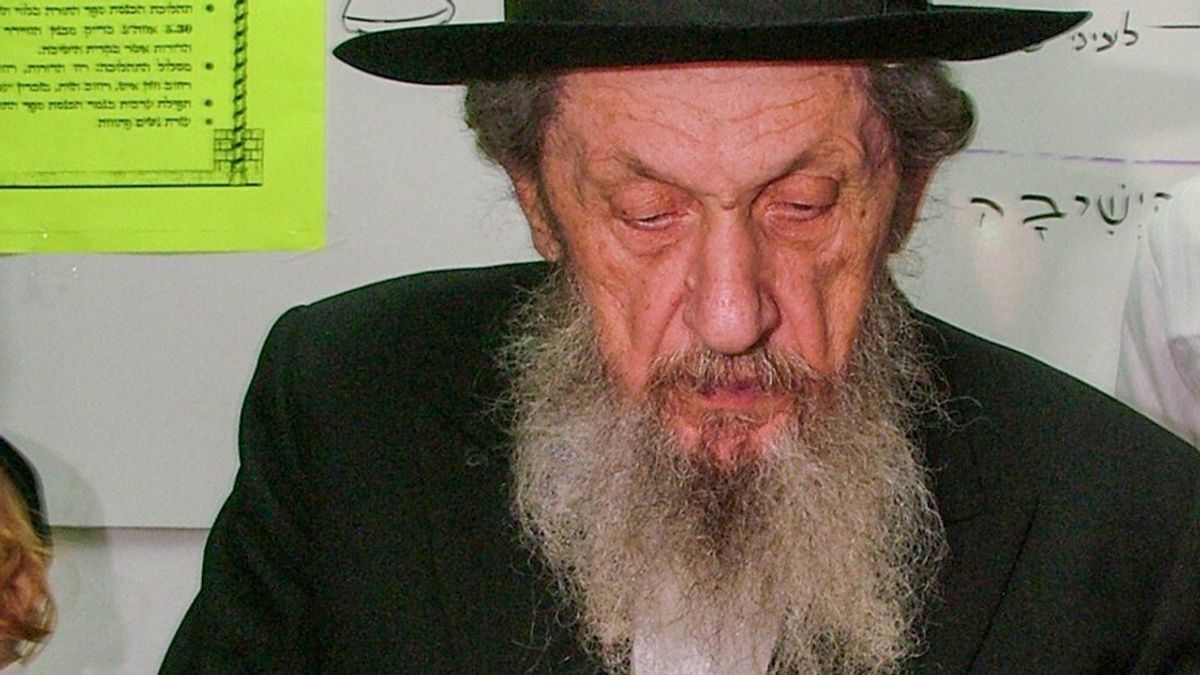
A video surfaced this week showing Rabbi Dov Lando, the spiritual head of Israel's Degel HaTorah party, declaring that Zionism had brought "disasters" upon the Jewish people and that Jews might have fared better without a state. The remarks, recorded a year ago but released now, targeted Zionist ideology, the Israeli military, and secular Israelis, labeling the latter a "state of apostasy and heresy." The leak coincides with Israel's looming parliamentary elections on October 27, where the ultra‑Orthodox bloc's stance on military conscription and state funding is a decisive issue.
Degel HaTorah sits within the United Torah Judaism (UTJ) alliance, a small but pivotal partner in Benjamin Netanyahu's right‑leaning coalition. UTJ commands roughly eight Knesset seats, enough to tip the balance in a fragmented parliament where a majority of 61 seats is required. The party’s bargaining chip is the ultra‑Orthodox community’s demand for state subsidies for yeshivas and exemption from mandatory military service. Lando’s anti‑Zionist rhetoric threatens to destabilise that bargain.
Netanyahu’s political survival hinges on keeping the Haredi bloc satisfied. Any move to marginalise UTJ could erode his parliamentary base, forcing him to seek new partners among secular right‑wing parties that may demand harsher conscription policies. Conversely, a public break with UTJ could energise opposition leaders like Yair Golan and Gadi Eisenkot, who are already positioning themselves as champions of a more inclusive national service model. The timing of the video’s release—just weeks before the vote—suggests an attempt by opponents to force Netanyahu into a dilemma: defend a rabbi whose words contradict the state’s founding myth, or risk alienating a reliable voting bloc.
The United States and European allies monitor Israel’s internal cohesion, especially after years of military operations in Gaza and the West Bank. A visible split between religious leadership and the state could affect foreign military aid, which often comes with conditions tied to democratic governance and civilian‑military relations. While the U.S. has historically turned a blind eye to intra‑Israeli religious disputes, a prolonged crisis that undermines the legitimacy of the government could prompt diplomatic pressure for reforms.
The most immediate victims are ultra‑Orthodox men who are caught between communal expectations and state mandates. If the government concedes to UTJ’s demands to preserve its coalition, thousands of yeshiva students will continue to receive full state subsidies while remaining exempt from service. This perpetuates socioeconomic disparities, as secular Israelis bear a disproportionate share of the defence burden.
Lando’s condemnation of secular citizens as “apostates” fuels social polarization. Communities already feeling marginalized by religious parties may experience increased hostility, potentially leading to street confrontations and a rise in hate crimes. The rhetoric also undermines the morale of soldiers who serve under a banner that is publicly questioned by a senior religious authority.
While Lando’s comments focus on internal Israeli debates, the broader discourse on Zionism reverberates across the occupied territories. Palestinian residents interpret the rabbi’s admission that a stateless solution could be "better" as an implicit validation of their own claims to self‑determination, potentially emboldening militant factions and complicating any cease‑fire negotiations.
Netanyahu has so far refrained from directly condemning Lando, a strategic choice that signals his reliance on the Haredi bloc. By staying quiet, he avoids alienating a crucial ally, but he also hands his opponents ammunition to portray him as dependent on a religious minority that openly questions the very ideology of the state.
Mainstream Israeli outlets have highlighted the sensational aspects of the video—"96‑year‑old rabbi calls Zionism a disaster"—while downplaying the historical context of anti‑Zionist sentiment within certain Haredi circles. This framing obscures the long‑standing theological debate that predates the modern state and reduces a nuanced theological position to a political scandal.
Foreign governments and NGOs that fund Israeli civil society projects rarely discuss how intra‑Jewish ideological rifts affect the efficacy of their programmes. The controversy may lead donors to reassess funding allocations for education and integration initiatives, especially those aimed at bridging gaps between Haredi and secular populations.
- Coalition negotiations in the weeks after the October 27 vote will reveal whether Netanyahu chooses to placate UTJ or distances himself from Lando’s statements.
- Legislative proposals on conscription exemptions and yeshiva funding will indicate how much political capital the ultra‑Orthodox community retains.
- Public opinion polls tracking attitudes toward Zionism among both religious and secular Israelis will show whether Lando’s remarks have shifted the narrative.
- International diplomatic signals, especially from Washington, will hint at whether external actors view Israel’s internal religious discord as a risk to regional stability.
- Grassroots reactions in mixed‑religion neighbourhoods, where tensions between Haredi and secular residents could flare into protests or communal clashes.
Monitoring these developments will help ordinary citizens understand how a theological critique can ripple through electoral politics, defence policy, and everyday life across Israel and the occupied territories.
In a leaked video, Lando claimed Zionism caused disasters for the Jewish people and suggested Jews might have been better off without a state, also criticizing secular Israelis and the military.
The comments put pressure on Prime Minister Netanyahu to either defend the ultra‑Orthodox coalition partner UTJ or risk losing their support, potentially reshaping coalition negotiations and influencing voter sentiment.
Ultra‑Orthodox youth face continued exemption from military service, secular Israelis risk increased social tension, and Palestinian communities may see heightened rhetoric affecting peace prospects.
Source referenced: ALJAZEERA
This brief was synthesized by our Editorial Engine and reviewed by The Ground Narrative team.