TRENDING

Thursday, 8 October 2026
----------------------
27 Rabi' Al-Thani 1448 AH
Europe is grappling with a severe energy crisis, marked by skyrocketing gas and diesel prices, directly linked to military actions in the Strait of Hormuz. The EU is scrambling to implement measures, but the human cost for households and businesses is already immense.
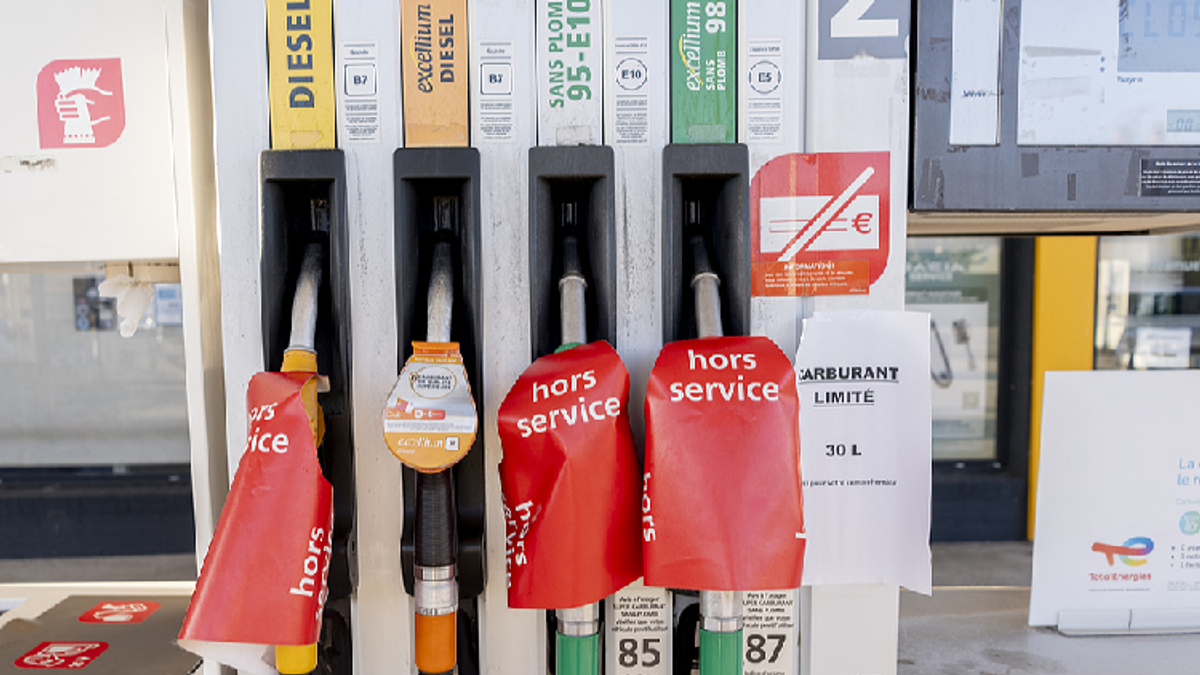
As winter looms, the European Union has unveiled a package of measures aimed at stabilizing energy supplies, containing prices, and reducing its reliance on imported fossil fuels. This urgent response comes as Europe faces unprecedented energy costs, with gas prices surging 140% and diesel doubling since late February 2026. The European Commission estimates an additional 100 billion euros has been added to Europe's energy bill without increasing available supply. This crisis has been directly exacerbated by significant disruptions to energy transport through the Strait of Hormuz, following a US-Israeli military campaign against Iran, which has thrown global oil and fuel markets into turmoil.
The current energy crisis gripping Europe is a stark illustration of how global power dynamics, military interventions, and historical dependencies converge to impact ordinary citizens. At its core, this situation reveals Europe's persistent vulnerability as a major energy importer, a vulnerability that has only been amplified by recent geopolitical shifts.
For decades, Europe built its economic engine on a foundation of readily available, often cheap, fossil fuels, much of which came from geopolitically volatile regions. While efforts have been made to diversify and transition to renewables, the continent remains heavily reliant on global markets for oil and gas. The move away from Russian energy following the 2022 conflict in Ukraine forced a rapid, expensive reorientation of supply chains. While this reduced dependence on one problematic source, it did not fundamentally alter Europe's overall import dependency. Instead, it shifted the reliance to other suppliers, many of whom are equally susceptible to global shocks. The current crisis, triggered by events far from European borders, underscores that true energy security requires not just diversification of sources, but a fundamental reduction in external reliance.
The Strait of Hormuz is arguably the world's most critical oil transit chokepoint, with approximately one-fifth of global oil consumption passing through it daily. Its strategic importance makes it a flashpoint in any conflict involving Iran, which controls its northern coast. The US-Israeli military campaign against Iran — likely driven by long-standing concerns over Iran's nuclear program, regional proxy activities, or perceived threats to Israeli security — has predictably provoked a response that targets this vital artery. Iran has historically threatened to close the Strait in response to military pressure or sanctions, understanding that such a move would send shockwaves through the global economy. This disruption is not accidental; it is a calculated, if devastating, consequence of military action in a highly sensitive region. The power here lies with any actor capable of influencing or disrupting this flow, effectively holding a significant portion of the global economy hostage.
Europe finds itself caught in the crossfire of a conflict it did not initiate and over which it appears to have limited direct influence. The US and Israel, as sovereign nations, pursue their own security interests, which in this instance have directly resulted in severe economic consequences for Europe. This highlights a critical deficit in the EU's much-discussed goal of
Source referenced: CGTN
This brief was synthesized by our Editorial Engine and reviewed by The Ground Narrative team.


