TRENDING

Thursday, 8 October 2026
----------------------
27 Rabi' Al-Thani 1448 AH
Yemen's government is launching a new offensive, hoping to sway powerful tribes in Houthi-controlled areas to its side after years of Houthi dominance. The move tests old allegiances against new realities, with immense human stakes.
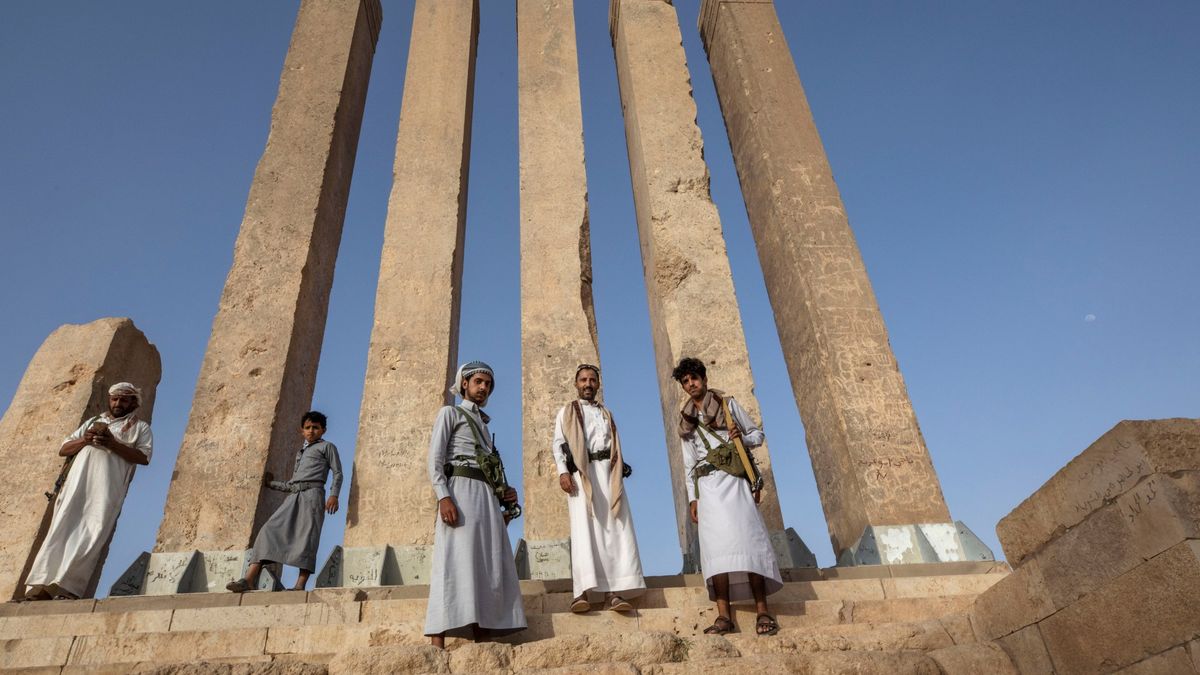
The internationally recognized Yemeni government, backed by a Saudi Arabia-led coalition, has launched a new military offensive against the Houthi movement (Ansar Allah). This operation aims to recapture strategic territories, including vital Red Sea coastal areas and potentially the capital, Sanaa, which has been under Houthi control since 2014. A critical component of this strategy involves persuading powerful, historically autonomous tribes in Houthi-held regions to abandon their neutrality or current allegiances and actively join the fight, a gamble on shifting local power perceptions after years of Houthi military supremacy.
The conflict in Yemen is not merely a civil war but a complex tapestry of local power struggles, regional proxy rivalries, and deeply entrenched historical grievances. At its heart lies the intricate relationship between the central state and the country's powerful tribal structures, which have historically served as both pillars and challengers to national authority.
For centuries, Yemeni tribes have been the bedrock of local governance and security, operating with significant autonomy, often independent of, or in transactional relationships with, the central government. Their allegiance is rarely ideological but pragmatic, shifting based on perceived strength, economic benefit, and the ability of a ruling power to protect their interests. The current government's desperate plea for tribal support underscores its own limited reach and reliance on these traditional power brokers. Tribes offer not just manpower but also crucial local intelligence, legitimacy, and control over vast swaths of territory that formal state institutions have never fully governed.
The Houthis have demonstrated a sophisticated understanding of Yemen's tribal landscape. Initially, they leveraged grievances against the central government and exploited tribal rivalries to expand their influence. Once in power, they employed a multi-pronged strategy to consolidate control: outright military force against resistant tribes (as seen with the Hajoor tribe in 2019), co-option of influential sheikhs through financial incentives, and the replacement of uncooperative leaders with loyalists. Crucially, the Houthis have also cultivated a narrative of resistance against foreign intervention (Saudi Arabia, US, UK, Israel) and aligned themselves with the Palestinian cause, resonating with a segment of the population and providing an ideological veneer to their military gains. This combination of coercion, co-option, and ideological appeal has fostered a perception of Houthi
Source referenced: ALJAZEERA
This brief was synthesized by our Editorial Engine and reviewed by The Ground Narrative team.