TRENDING

Thursday, 8 October 2026
----------------------
27 Rabi' Al-Thani 1448 AH
A recent cross-border shooting incident highlights the volatility of the Lebanon-Israel frontier, even as the UN peacekeeping force prepares to withdraw. This shift leaves a critical security vacuum and tests a new, fragile agreement.
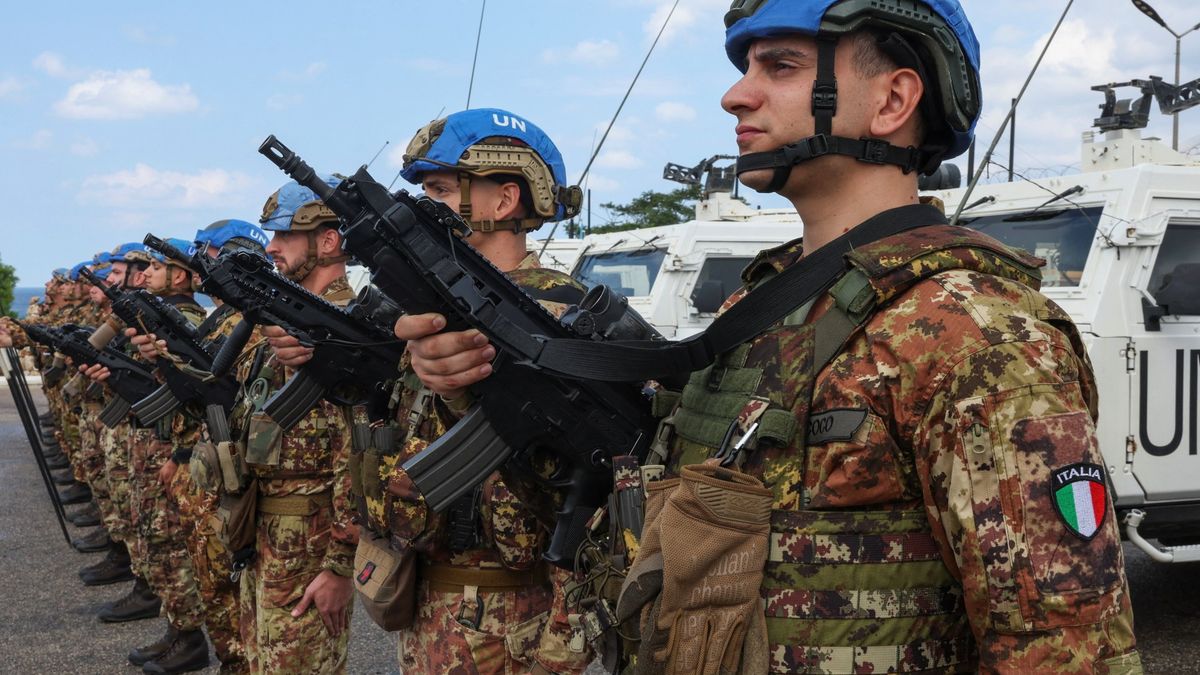
On a Wednesday morning, a position held by the United Nations Interim Force in Lebanon (UNIFIL) near Kfar Shouba along the UN-drawn Blue Line separating Lebanon and Israel came under small arms fire. While no casualties were reported among the peacekeepers, the incident served as a stark reminder of the persistent volatility on a border where the international security presence is slated to end. This event unfolds as UNIFIL's decades-long mandate is set to conclude by December 31, 2026, a decision pushed by the United States and Israel.
The impending withdrawal of UNIFIL from southern Lebanon marks a significant recalibration of power dynamics in one of the world's most consistently volatile regions. Established in 1978 to oversee the withdrawal of Israeli troops and expanded after the 2006 war between Israel and Hezbollah, UNIFIL has long served as a physical and symbolic buffer. Its departure is not merely an administrative decision; it reflects a deliberate strategic shift driven by key actors.
At the core of this change is Israel's long-standing frustration with UNIFIL's perceived inability to neutralize the threat posed by Hezbollah. Following the October 7, 2023, Hamas-led attacks and the subsequent war in Gaza, cross-border fighting between Israel and Hezbollah escalated significantly. This period intensified Israel's demand for a more robust and direct security solution on its northern frontier. From Israel's perspective, UNIFIL, with its 7,500 peacekeepers from nearly 50 countries, had become an insufficient deterrent, a static presence unable to prevent the accumulation of Hezbollah's military capabilities or its cross-border operations.
The United States, acting as a primary mediator and Israel's staunchest ally, has lent its diplomatic weight to this pressure. The decision to end UNIFIL's mandate is therefore a direct outcome of a shared strategic assessment by Washington and Jerusalem that the existing framework was no longer serving their security interests. This move is less about a failure of peacekeeping in principle and more about a desire to replace a multilateral, often constrained, force with a more direct, bilateral security arrangement.
This new arrangement materialized in a US-sponsored framework agreement between Israel and Lebanon. Crucially, this agreement emerged from a broader de-escalation of tensions, specifically a ceasefire following a June memorandum of understanding in the US-Iran war. This regional context is vital: the stability of the Lebanon-Israel border is deeply intertwined with the larger power struggle between the US and Iran, which backs Hezbollah. The framework agreement's core tenets—the disarmament of Hezbollah, the gradual withdrawal of Israeli forces from southern Lebanon, and the deployment of the Lebanese army to the region—represent a significant shift of responsibility and risk onto the shoulders of the Lebanese state.
For Lebanon, particularly its beleaguered government, this situation presents an acute dilemma. Prime Minister Nawaf Salam's concern about
Source referenced: ALJAZEERA
This brief was synthesized by our Editorial Engine and reviewed by The Ground Narrative team.