TRENDING

Thursday, 8 October 2026
----------------------
27 Rabi' Al-Thani 1448 AH
A coordinated wave of drones, cruise missiles and ballistic rockets struck Ukraine on the night of 6‑7 October, killing at least 24 civilians, including children. The attack reveals how Moscow leverages technology, political messaging and alliance calculations while ordinary Ukrainians bear the brunt.
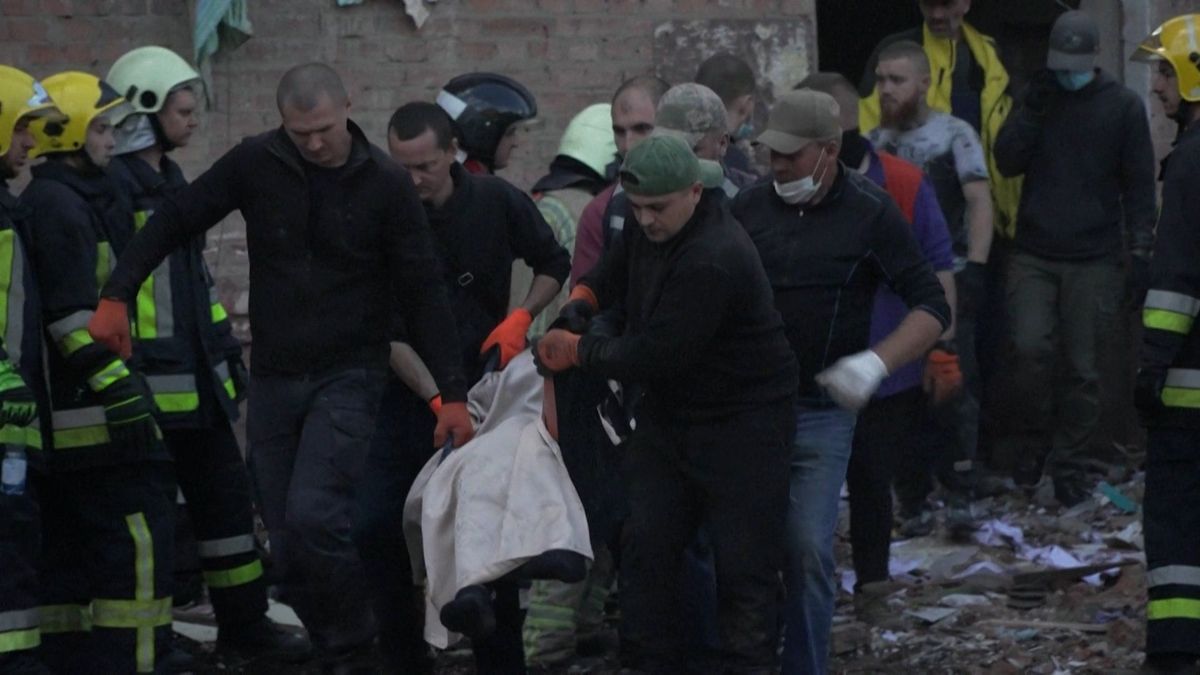
On the night of 6 October 2026, Russia unleashed what Ukrainian officials described as a "massive" barrage: 130 loitering drones, 48 cruise missiles and several ballistic missiles slammed into targets across the country. Ukrainian air‑defence systems reported intercepting 161 incoming objects, but the on‑ground reality was stark—at least 24 people were killed, among them four children in the northern city of Pryluky. The strikes hit residential districts, a power substation and a logistics hub, sparking fires that burned for hours.
The sheer volume of unmanned systems signals a shift from the high‑cost, high‑profile missile strikes of earlier years to a cheaper, deniable mode of pressure. Drones can be produced in large numbers, programmed to loiter and strike with minimal human oversight, allowing Russia to sustain a high‑tempo campaign without risking elite pilots or expensive strategic assets. By coupling drones with cruise and ballistic missiles, Moscow creates a layered threat that forces Ukraine to spread its limited air‑defence resources thin.
President Vladimir Putin faces a waning legitimacy at home after years of sanctions, a shrinking economy and a war that has not delivered a decisive victory. A spectacular night‑time barrage offers a narrative of relentless pressure on Kyiv, feeding state‑controlled media that the war is still being won. It also placates hard‑liners in the defence establishment who demand visible, aggressive action to justify continued military spending.
The West, led by the United States and the European Union, has supplied Ukraine with advanced air‑defence batteries, but the sheer scale of the attack tests the limits of those systems. Intercepting 161 targets strains logistics, spare‑parts stocks and crew fatigue. By allowing Ukraine to claim a high interception rate, Western governments can point to the effectiveness of their aid while avoiding the political cost of admitting a shortfall in protection.
Each cruise missile and ballistic missile costs millions of dollars, whereas a loitering drone can be fielded for a fraction of that price. The mixed‑payload approach lets Russia inflict damage while conserving its most expensive weapons for future strategic strikes. Simultaneously, the attack threatens Ukraine’s energy infrastructure, risking blackouts that could cripple industrial output and deepen economic dependence on Western reconstruction funds.
The four children killed in Pryluky embody the war’s most tragic statistic: civilian lives lost in a conflict that began as a geopolitical contest. Families now face the loss of breadwinners, the trauma of destroyed homes and the long‑term psychological scars of hearing drones overhead. Local schools have been forced to close for weeks, disrupting education for thousands of children.
The strike on a logistics hub in the east halted freight movement for days, leaving truck drivers and warehouse staff without income. Small‑scale farmers near the power substation reported loss of refrigeration for produce, forcing them to discard crops and deepening food‑security concerns in already vulnerable rural communities.
Hospitals in the affected regions reported a surge in trauma cases, overwhelming emergency rooms already coping with shortages of blood products and surgical supplies. The need to treat burn injuries and shrapnel wounds diverted resources from routine care, delaying treatment for chronic illnesses and maternal health services.
Official Russian statements framed the barrage as a “targeted operation against military infrastructure,” yet satellite imagery and eyewitness accounts confirm strikes on residential blocks and civilian utilities. By emphasizing the number of intercepted targets, Moscow attempts to shift blame onto Ukrainian air‑defence inefficiency, downplaying its own responsibility for civilian casualties.
While NATO leaders publicly celebrate the high interception count, they rarely disclose the logistical strain of maintaining a constant supply of missiles and spare parts. The reality is that many Ukrainian units operate with outdated or improvised systems, a fact that is omitted from diplomatic briefings to avoid criticism of aid adequacy.
The damage to the power substation near Kramatorsk has not been highlighted in mainstream coverage. Prolonged outages can force households to rely on costly generators, increasing fuel imports and inflating household expenses. This indirect pressure erodes public morale and can be leveraged by Russia to weaken Ukraine’s resolve without a single ground troop moving.
- Air‑defence replenishment cycles: Track how quickly Ukraine can replace expended interceptors and whether Western suppliers accelerate deliveries.
- Drone production trends: Monitor Russian industrial output for loitering munitions; a surge could indicate an intent to sustain high‑frequency attacks.
- Civilian displacement data: Watch UN and NGOs for spikes in internal displacement, especially in the north‑eastern oblasts, as a barometer of the war’s widening humanitarian footprint.
- Energy grid resilience: Follow reports on power restoration times and the emergence of black‑market fuel sales, which can signal economic stress on ordinary citizens.
- Diplomatic rhetoric: Note any shift in Kremlin language from “precision strikes” to broader “defensive operations,” which may foreshadow an escalation or a strategic de‑escalation.
By keeping an eye on these indicators, ordinary readers can gauge whether the night‑time barrage was an isolated spike or the opening move of a longer, more relentless campaign that will continue to shape daily life across Ukraine.
According to Ukrainian officials, the attack involved 130 loitering drones, 48 cruise missiles and several ballistic missiles, with air‑defence forces reporting 161 interceptions.
Ukraine must stretch limited air‑defence assets across a wide front, manage spare‑part shortages, and cope with crew fatigue, all while trying to protect civilian infrastructure that is increasingly targeted.
Source referenced: ALJAZEERA
This brief was synthesized by our Editorial Engine and reviewed by The Ground Narrative team.