TRENDING

Thursday, 8 October 2026
----------------------
27 Rabi' Al-Thani 1448 AH
Brazil is gripped by a pivotal presidential run-off between incumbent Luiz Inacio Lula da Silva and far-right candidate Flavio Bolsonaro, son of the imprisoned former president. Thousands have taken to the streets, fearing a return to authoritarian policies and a deepening of societal divides.
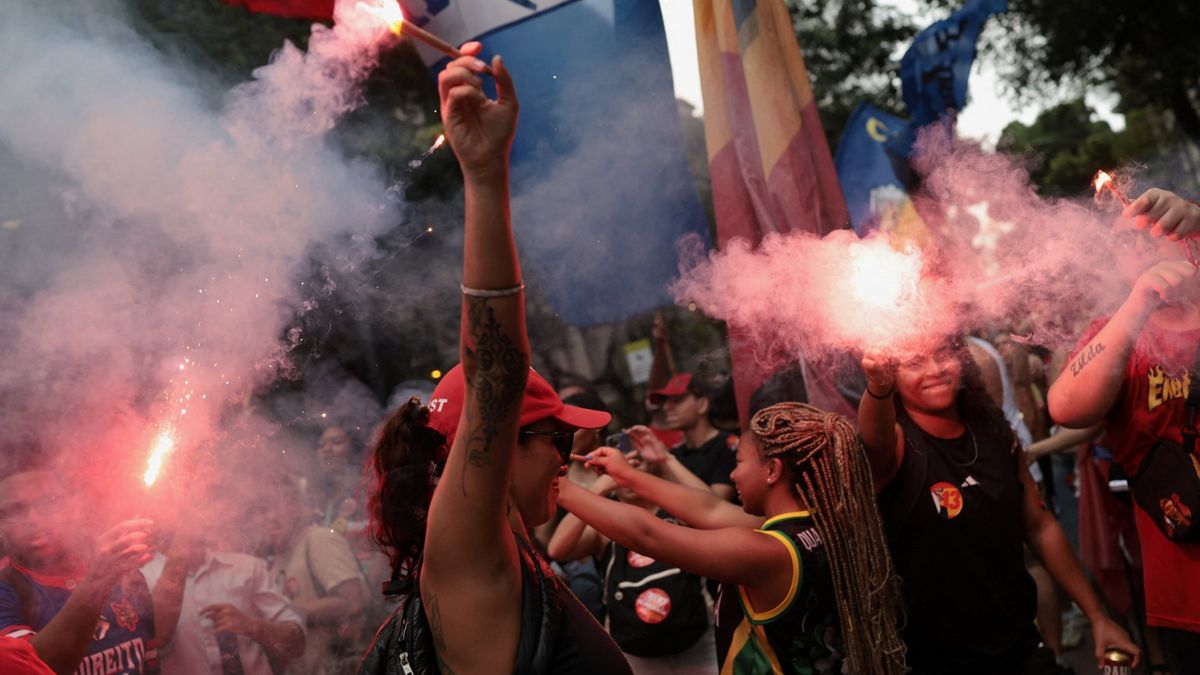
Thousands of Brazilians recently marched through the streets of Rio de Janeiro, protesting against presidential candidate Flavio Bolsonaro and the resurgence of the far-right movement in the country. This wave of public dissent erupted after Flavio Bolsonaro, the son of the imprisoned former President Jair Bolsonaro, secured the most votes in the first round of Brazil's presidential race, polling 47 percent against incumbent left-wing President Luiz Inacio Lula da Silva's 45 percent. With neither candidate reaching the 50 percent threshold, the nation is now bracing for a decisive run-off election on October 25, a contest that has ignited profound fears about the future of Brazilian democracy and the potential return of policies reminiscent of its authoritarian past.
The current political landscape in Brazil is a complex interplay of dynastic ambition, deep-seated ideological polarization, and the enduring shadow of a military past. The rise of Flavio Bolsonaro, despite his father Jair Bolsonaro's imprisonment for attempting to overturn a previous election, speaks volumes about the resilience and specific appeal of the 'Bolsonarismo' movement.
Jair Bolsonaro's populist appeal, characterized by a potent mix of anti-establishment rhetoric, conservative social values, and a strong emphasis on 'law and order', continues to resonate with a significant segment of the Brazilian electorate. This appeal often bypasses traditional political structures, directly engaging voters through social media and rallies. Flavio Bolsonaro inherits this brand, leveraging his father's name and endorsement to mobilize a base that feels alienated by mainstream politics, cultural shifts, and perceived corruption. The family name, for many, represents a promise of a return to traditional values and a strong hand against crime and what they view as 'leftist' excesses.
Jair Bolsonaro's open admiration for Brazil's past military dictatorship is not merely a historical footnote; it is a deliberate political strategy. For some, the military regime (1964-1985) represents a period of stability, economic growth, and order, free from the perceived chaos of democratic governance. This nostalgia is a powerful undercurrent, especially among those who feel insecure about the country's economic future or who are frustrated with democratic processes. Flavio Bolsonaro's tacit or explicit support for his father's views on the dictatorship, and his backing of amnesty for his father, taps into this sentiment, offering a vision of strong leadership that is willing to bypass democratic norms if necessary.
Brazil's democratic institutions, particularly its judiciary and electoral system, have been under immense pressure. The conviction and imprisonment of Jair Bolsonaro for undermining the electoral process demonstrate a degree of institutional resilience. However, the fact that his son can still garner such significant support highlights the deep divisions within the country and the ongoing struggle between those who uphold democratic norms and those who are willing to challenge them. The military's historical role and its relationship with the executive branch remain a critical, often unspoken, factor in Brazilian politics, with any hint of political instability raising concerns about its potential involvement.
The protests in Rio saw signs reading
Brazil is currently in a presidential run-off election between far-right candidate Flavio Bolsonaro and incumbent left-wing President Luiz Inacio Lula da Silva. This follows a first round where Bolsonaro secured 47% of the vote against Lula's 45%, triggering widespread protests and concerns about the country's democratic future.
The two main candidates vying for the presidency in Brazil's run-off election are Flavio Bolsonaro, son of the imprisoned former President Jair Bolsonaro, and the current President, Luiz Inacio Lula da Silva. Their contest represents a deep ideological divide within the nation.
Concerns about Brazil's far-right movement, particularly 'Bolsonarismo', include fears of democratic erosion, a rollback of human rights for marginalized communities, and potential threats to public services. Protesters specifically cite former President Jair Bolsonaro's authoritarian tendencies and his son Flavio's alignment with those views as reasons for their apprehension.
Source referenced: ALJAZEERA
This brief was synthesized by our Editorial Engine and reviewed by The Ground Narrative team.