TRENDING

Wednesday, 14 October 2026
----------------------
3 Jumada Al-Awwal 1448 AH
The US-Iran conflict enters its 94th day, marked by US strikes on Iranian military sites, Iranian retaliation, and diplomatic efforts to reach a deal. The situation remains volatile, with regional implications and future consequences yet to be determined.
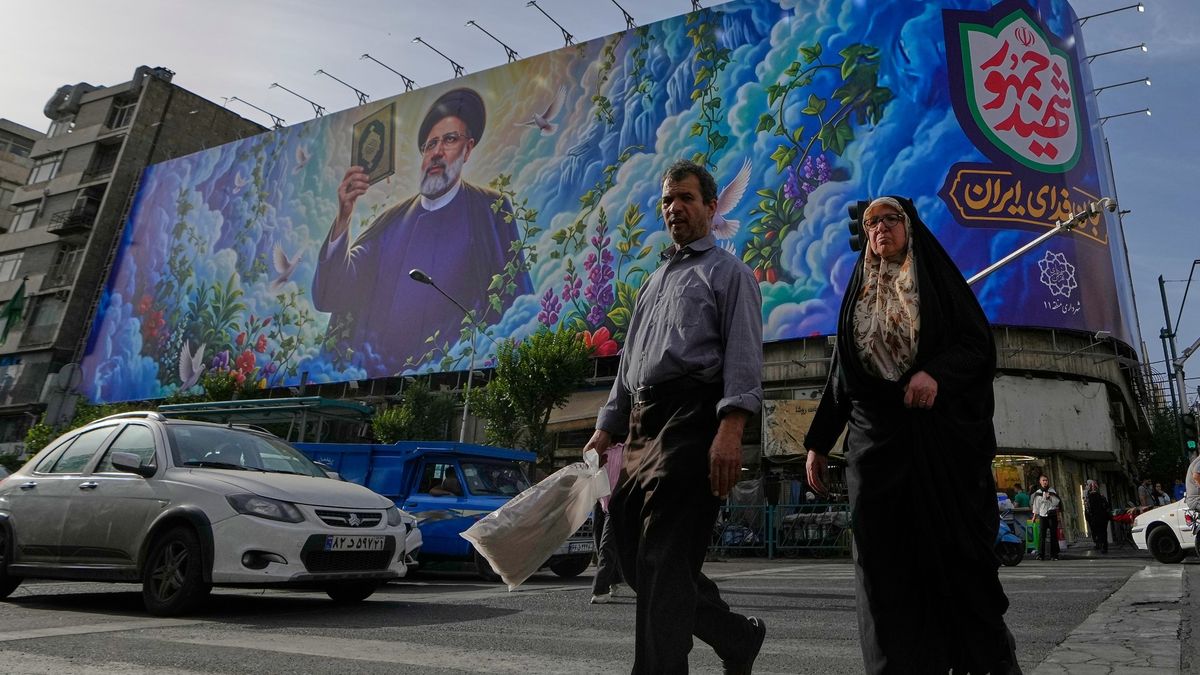
The US-Iran conflict has entered its 94th day, marked by a series of exchanges between the two nations. On the one hand, the US military has conducted strikes on Iranian military sites, including radar and drone sites in the city of Goruk and on Qeshm Island. On the other hand, Iran has retaliated by targeting a US base and executing two men convicted of their role in antigovernment protests in January.
The current conflict has its roots in the US-Israel war on Iran, which began three months ago. The war has been marked by a series of attacks and counter-attacks, with both sides suffering losses. The situation has been further complicated by the involvement of other regional actors, including Hezbollah and the Lebanese government.
The US appears to be seeking to impose tougher terms on Iran in the preliminary agreement, as reported by US media. This move is likely aimed at weakening Iran's position and gaining leverage in the negotiations. Meanwhile, Iran is continuing to exchange messages with the US on a deal to end the war, as stated by Iranian Foreign Minister Abbas Araghchi.
The conflict has significant regional implications, with the involvement of multiple actors and the potential for further escalation. The situation in Lebanon is particularly volatile, with Israeli forces pushing farther into the country and Hezbollah responding with rocket fire and artillery shells. The US has proposed a plan to de-escalate hostilities in Lebanon, but its success remains uncertain.
The future consequences of the conflict are yet to be determined. If the US and Iran fail to reach a deal, the situation could escalate further, leading to increased violence and instability in the region. On the other hand, a successful agreement could lead to a reduction in tensions and a more stable regional environment.
* US President Donald Trump: Seeking to impose tougher terms on Iran in the preliminary agreement
* Iranian Foreign Minister Abbas Araghchi: Continuing to exchange messages with the US on a deal to end the war
* Hezbollah: Responding to Israeli violations of a ceasefire with rocket fire and artillery shells
* Israeli Prime Minister Benjamin Netanyahu: Ordering Israeli forces to push farther into Lebanon
Editor's Note: The analysis is based on publicly available information and may not reflect the full complexity of the situation.
Source referenced: ALJAZEERA
This brief was synthesized by our Editorial Engine and reviewed by The Ground Narrative team.