TRENDING

Saturday, 19 September 2026
----------------------
8 Rabi' Al-Thani 1448 AH
President Trump announced a deal with Denmark to expand U.S. military presence in Greenland, sparking a clash of sovereignty claims, strategic calculations, and local anxieties. The agreement reshapes Arctic power balances while ordinary Greenlanders face the hidden costs.
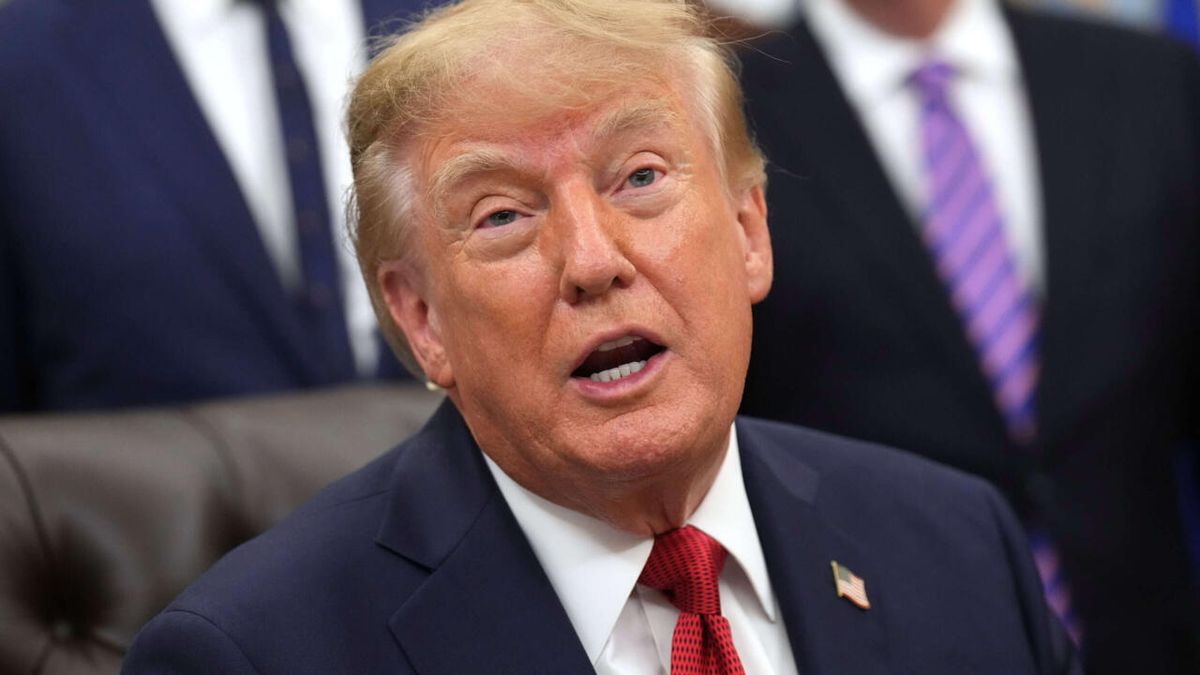
President Donald Trump declared a deal with Denmark to broaden the United States’ military footprint in Greenland, pledging “permanent control over security” and immediate construction of new facilities. The agreement, slated for signing at the UN General Assembly, still requires parliamentary approval from both Denmark and Greenland.
The move serves several intersecting incentives. First, the U.S. seeks to lock down the Arctic’s emerging sea routes and mineral wealth, positioning Greenland as a forward operating base that can monitor Russian and Chinese activity. Second, the Trump administration leverages the deal to signal resolve to domestic constituencies that demand a hard‑line stance on perceived threats. For Denmark, cooperation offers a modest boost to defense spending and a channel for American investment in Greenland’s mining sector, while preserving a veneer of sovereignty. The arrangement also embeds a NATO‑only clause, preventing non‑Allied powers from establishing bases, thereby reinforcing the alliance’s Arctic perimeter without formally expanding NATO itself. Economically, the United States hopes to secure access to rare‑earth deposits and hydrocarbons, reducing reliance on Chinese supply chains. Politically, the deal allows Trump to claim a diplomatic victory after months of rhetoric about “buying” or even seizing the island.
Greenland’s 56,000 residents—most of whom are Inuit—stand to bear the brunt of expanded militarization. New airfields, radar stations, and support infrastructure will encroach on fragile tundra, threatening traditional hunting grounds and disrupting migratory patterns of caribou and seals that sustain local diets. Employment promises are limited; construction contracts largely go to U.S. firms, while long‑term service jobs remain scarce. Moreover, the influx of foreign personnel raises concerns about cultural erosion and increased cost of living as housing and goods become tied to a military economy. In Denmark, the political fallout may affect public trust in a government perceived as bargaining away a semi‑autonomous territory for short‑term gains.
Official statements stress “respect for sovereignty” and a ban on non‑NATO bases, yet they downplay the strategic leverage the United States gains over Greenland’s natural resources. The agreement’s language is vague on revenue sharing, leaving open the possibility that U.S. corporations could extract minerals with minimal benefit to the island’s treasury. Additionally, the diplomatic narrative masks a broader contest for Arctic governance: Russia’s recent ice‑breaker deployments and China’s “Polar Silk Road” ambitions are not merely security threats but also commercial pursuits that the U.S. aims to pre‑empt. By framing the deal as a defensive necessity, the administration sidesteps the question of whether Greenland’s own climate‑change‑driven challenges—melting permafrost, rising sea levels—are being addressed or merely leveraged for geopolitical gain.
Watch the Danish and Greenlandic parliamentary votes; any delay or rejection could force the United States to recalibrate its Arctic posture, potentially through unilateral actions that would strain NATO cohesion. Monitor Russian naval activity in the nearby Baffin Bay and Chinese investment proposals in Greenlandic mining—both may accelerate if the U.S. presence is perceived as a barrier. Finally, keep an eye on local protests or legal challenges from Inuit groups, which could draw international human‑rights attention and complicate the operational timeline for new bases. The unfolding dynamics will reveal whether the Arctic becomes a zone of cooperative security or a new frontier of great‑power rivalry.
Editor's Note: Analysis based on publicly reported statements; exact terms of the agreement remain undisclosed.
Source referenced: FRANCE24
This brief was synthesized by our Editorial Engine and reviewed by The Ground Narrative team.