TRENDING

Friday, 16 October 2026
----------------------
5 Jumada Al-Awwal 1448 AH
Rare wartime protests have erupted across Ukraine following President Zelensky's removal of popular Defence Minister Mykhailo Fedorov, raising concerns about internal stability and military cohesion. The unexpected dismissal, amidst a broader government reshuffle, has fueled public speculation about infighting within the military establishment at a critical juncture in the conflict.
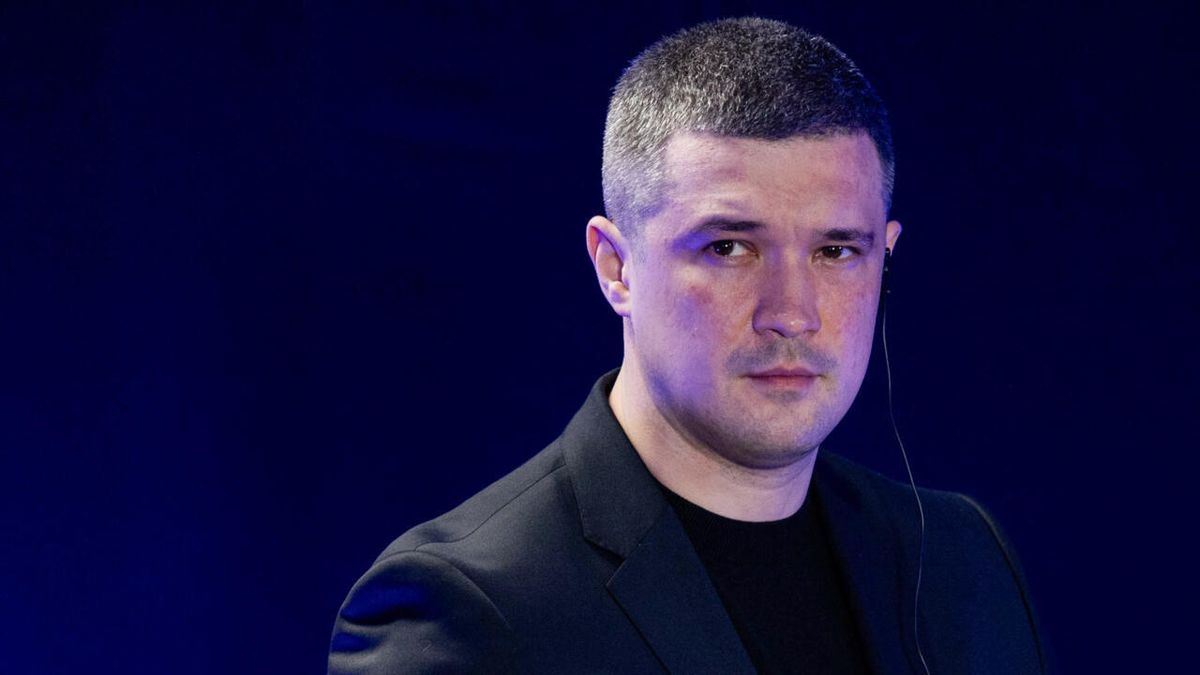
Ukraine is currently navigating a period of significant internal political turbulence, marked by widespread public protests following President Volodymyr Zelensky's decision to remove Defence Minister Mykhailo Fedorov. The demonstrations, which erupted across several major cities including Kyiv, Lviv, Odesa, and Dnipro on Thursday, July 16, 2026, represent a rare display of public dissent during the ongoing conflict with Russia. This internal unrest comes at a critical time, as Ukraine has reportedly achieved one of its strongest military positions in months, having slowed the Russian advance and intensified long-range drone strikes on Russian targets.
Mykhailo Fedorov, who had served as Defence Minister for only six months, garnered a reputation as a moderniser committed to reforming the Ukrainian military. His efforts were widely praised, making his sudden dismissal on Wednesday, July 15, 2026, particularly jarring for the public and military personnel alike. Fedorov himself announced his resignation, stating it was a "great honour to serve the Ukrainian people," but offered no specific reasons for his departure. This lack of official explanation has fueled considerable speculation and public outcry.
The protests were characterized by demonstrators waving Ukrainian and EU flags, singing the national anthem, and chanting slogans such as "shame" and "bring Fedorov back." Many expressed frustration and suspicion regarding the motivations behind the dismissal. Vlada Roman, a 30-year-old business owner protesting in Kyiv, articulated a common sentiment, stating that Fedorov's removal was "a slap in the face of the Ukrainian people" and suggesting that President Zelensky might be "afraid of effective people." This sentiment points to a deeper concern among some segments of the population regarding the transparency and rationale behind high-level government decisions during wartime.
Crucially, protesters and local media reports have widely attributed Fedorov's removal to alleged infighting within Ukraine's military establishment, specifically between the outgoing Defence Minister and Commander-in-Chief Oleksandr Syrsky. While no official confirmation of such internal disputes has been provided, the perception of a power struggle at the highest levels of military leadership has clearly resonated with the public. Further underscoring the gravity of the situation, Pavlo Yelizarov, the Deputy Commander of Ukraine's air force, publicly resigned in protest, stating, "It is a great honor for me to work with Mykhailo Fedorov. In 2022, I joined the defence forces to win, not to pretend to be doing something." This high-profile resignation from a senior military official signals significant internal discord and a potential crisis of confidence within the armed forces.
The removal of a popular and reform-minded Defence Minister, coupled with a broader government reshuffle that also saw the prime minister removed, carries significant geopolitical implications. Firstly, the eruption of widespread wartime protests challenges the narrative of national unity and resilience that Ukraine has largely projected since the full-scale invasion began. Such internal dissent could be exploited by Russia, potentially undermining Ukrainian morale and international support by painting a picture of internal instability and disarray within Kyiv's leadership.
Secondly, the alleged infighting and the subsequent dismissal of Fedorov risk disrupting ongoing military reforms and operational coherence. Fedorov's reputation as a moderniser suggests that his departure could stall critical initiatives aimed at enhancing the efficiency and capabilities of the Ukrainian armed forces. At a time when Ukraine is actively engaged in intense combat and seeking to maintain its recent battlefield momentum, any disruption to military leadership or strategy could have tangible consequences on the front lines. The resignation of a senior air force commander further highlights the potential for a ripple effect on military cohesion and command structures.
Finally, the episode raises questions about President Zelensky's leadership style and the internal dynamics of his administration. While wartime often necessitates decisive leadership, the lack of transparency surrounding Fedorov's dismissal and the public's perception of political maneuvering could erode trust in the government. For international partners, who have invested heavily in Ukraine's defense and stability, these internal political challenges may prompt closer scrutiny of Kyiv's governance and its ability to maintain a unified front against external aggression. The coming weeks will be crucial in determining how President Zelensky addresses these internal pressures and whether he can restore public and military confidence amidst a protracted conflict.
Source referenced: FRANCE24
This brief was synthesized by our Editorial Engine and reviewed by The Ground Narrative team.